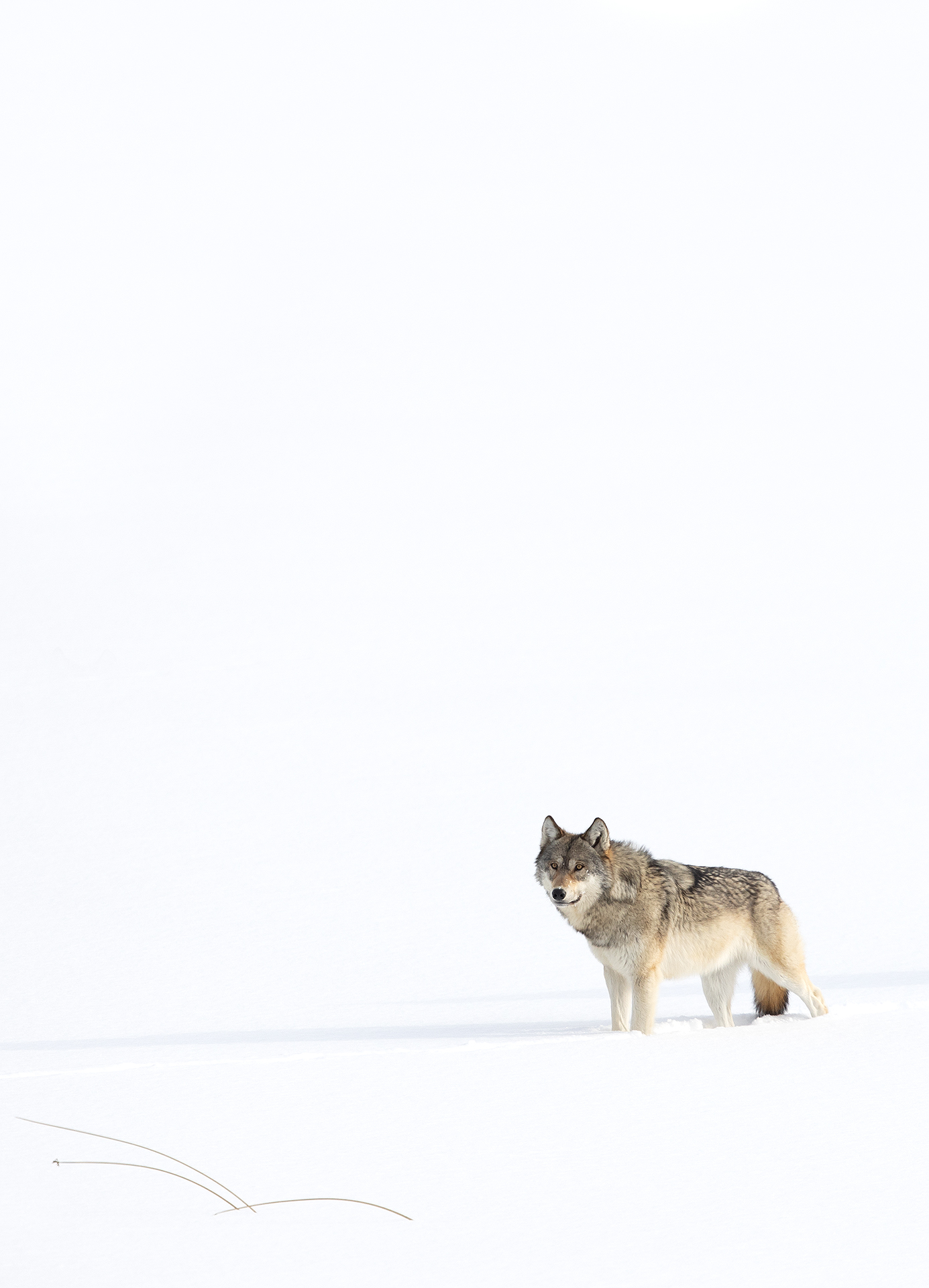
There are some species that just press the right buttons for me, and the Wolf is one of them. I have been obsessed with photographing Wolves for the past twenty years and I have had some amazing encounters over those years. Although fleeting, each encounter has been so special and has left a great memory in the bank. I am always looking forward to my next wolf encounter and so plan a lot of my trips so I can maximise my opportunities with this beautiful predator. During the pandemic I was unable to travel like everyone else and so it had put paid to a lot of my plans for the past two years. Towards the end of last year things started to open-up and I was fortunate to be able to get back to some of these locations in my quest for more wolf photography. My first trip was into the remote boreal forest of Finland and then one of the classic locations for seeing wild wolves, Yellowstone National Park.

Yellowstone is famous for seeing wolves and the park is your best chance of seeing this beautiful predator in the wild. Like everywhere else around the world the Wolf has been relentlessly persecuted in the States over the past 300 years and had disappeared from the Yellowstone ecosystem completely. The Park had changed dramatically as a result of this top predator missing from the chain. Elk numbers had increased in certain areas and over grazing by the large numbers of Elk was causing problems for other species. One of the problems was the destruction of the Willow flats along the river valleys and species like Moose and Beaver became rare or in the beaver’s case, extinct as well. In the nineties a decision was made to re-introduce the wolf back to Yellowstone. The introduction was a huge success and within a few years Elk numbers were starting to be controlled and Moose and Beaver had started to return.

The project has proved how important it is to have a natural balance in the natural world. The Wolves have not made an impact on the numbers of Elk as they are still roughly the same as the pre-introduction period. What the Wolves have done is not allow the Elk to settle in areas over longer periods of time and so the Elk are constantly being moved on by the hunting wolves.

I have been running trips to Yellowstone for many years now and although I do not always get the chance to see and photograph them, I do have a good track record in doing so, as I have been extremely lucky over all those visits. I ran two trips this January and on my first trip we had some amazing encounters. When I first went to Yellowstone your best chance in seeing Wolves was along the Lamar Valley which is in the northern parts of the park. The road running from Gardner to Cooke City stays open during the winter and is open to normal traffic. You can drive through this northern part and into the Lamar Valley, which is a stunning drive, with a great chance of seeing wildlife along the way. In those early days you stood a great chance of seeing Wolves, especially in the Lamar Valley.
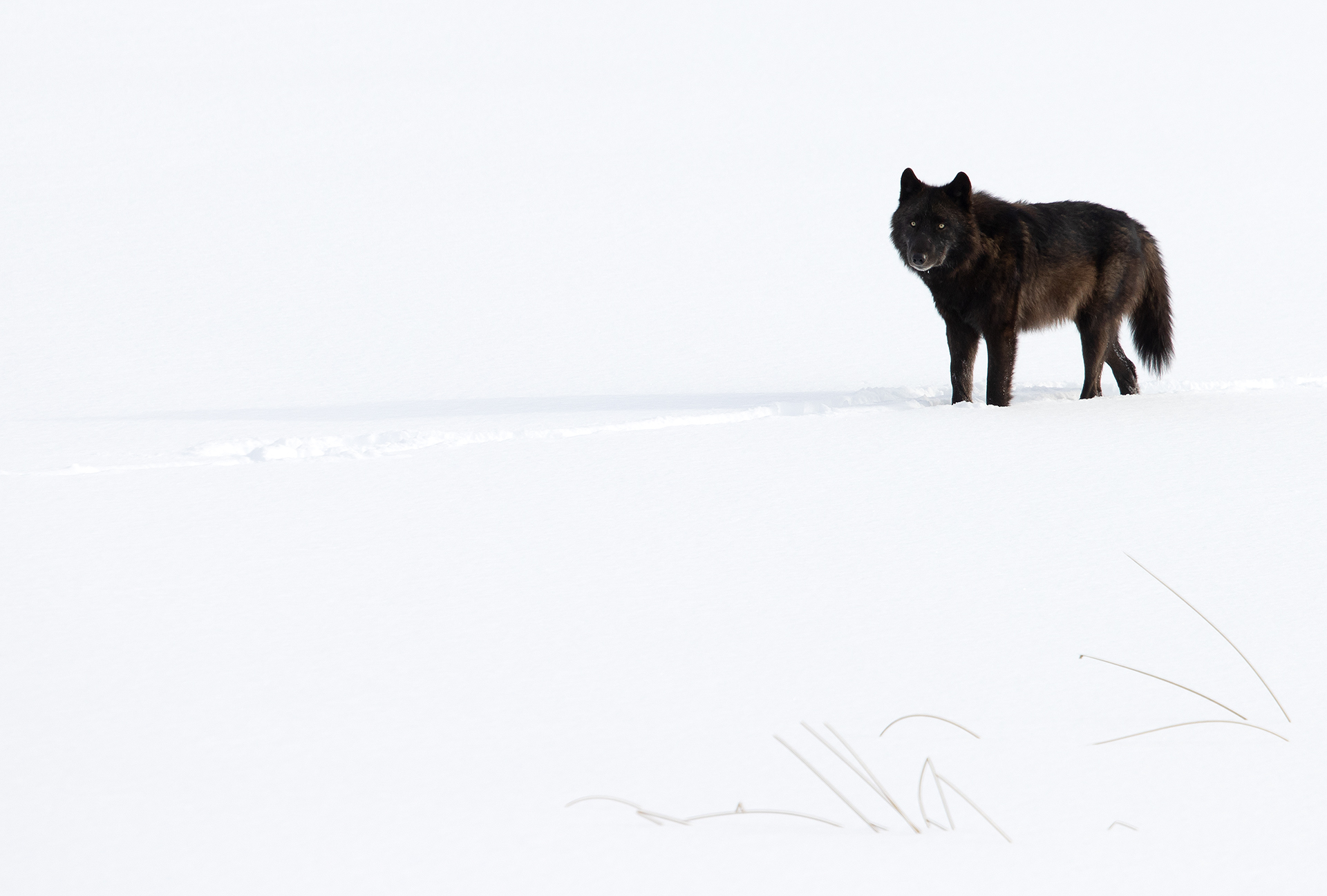
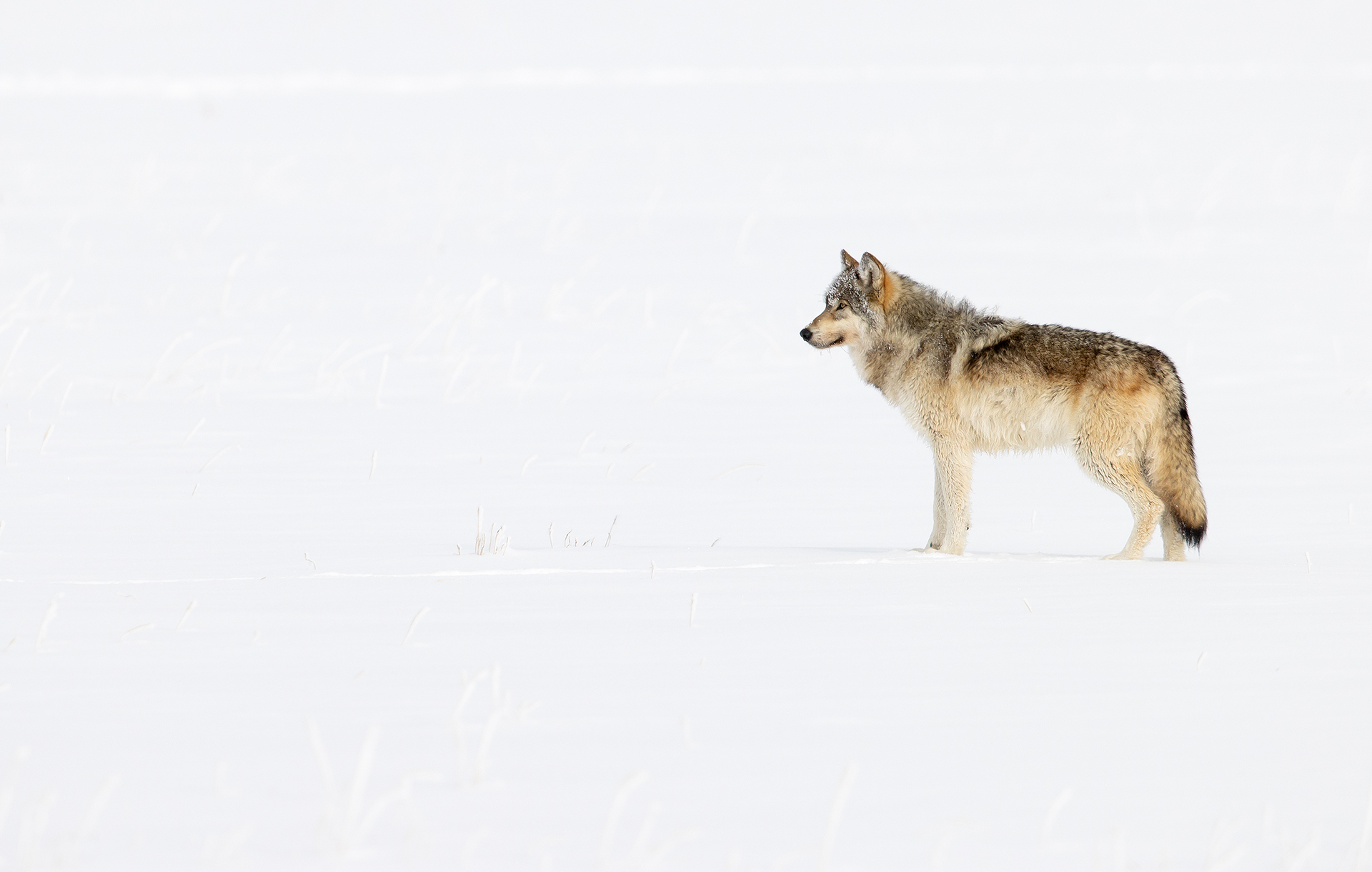


You can still see Wolves along this road, but the sightings are getting harder as the dynamics of the packs have changed over the years. Recently I have had my best sightings once I go into the interior of the park. You can only do this by hiring a special vehicle called a snow coach, as the roads are closed to normal traffic and only these special vehicles can access it. My past few trips have been productive for wolf sightings in the interior and one pack in particular has been showing well over the past few years.

This pack which is called the Wapiti is a large pack that dominates this part of the park and some people have told me that this pack has over 25 individuals, which is a huge number. Over the past couple of years, the Wapiti’s have been specialising in hunting Bison, which is a formidable opponent, even for a pack of this size. On my first trip in Yellowstone this year we had come across some members of this pack in the late afternoon, and they were quite close to the road which gave us some great opportunities for some nice portraits. We then headed straight back to the same location the following morning in the hope of seeing them again.
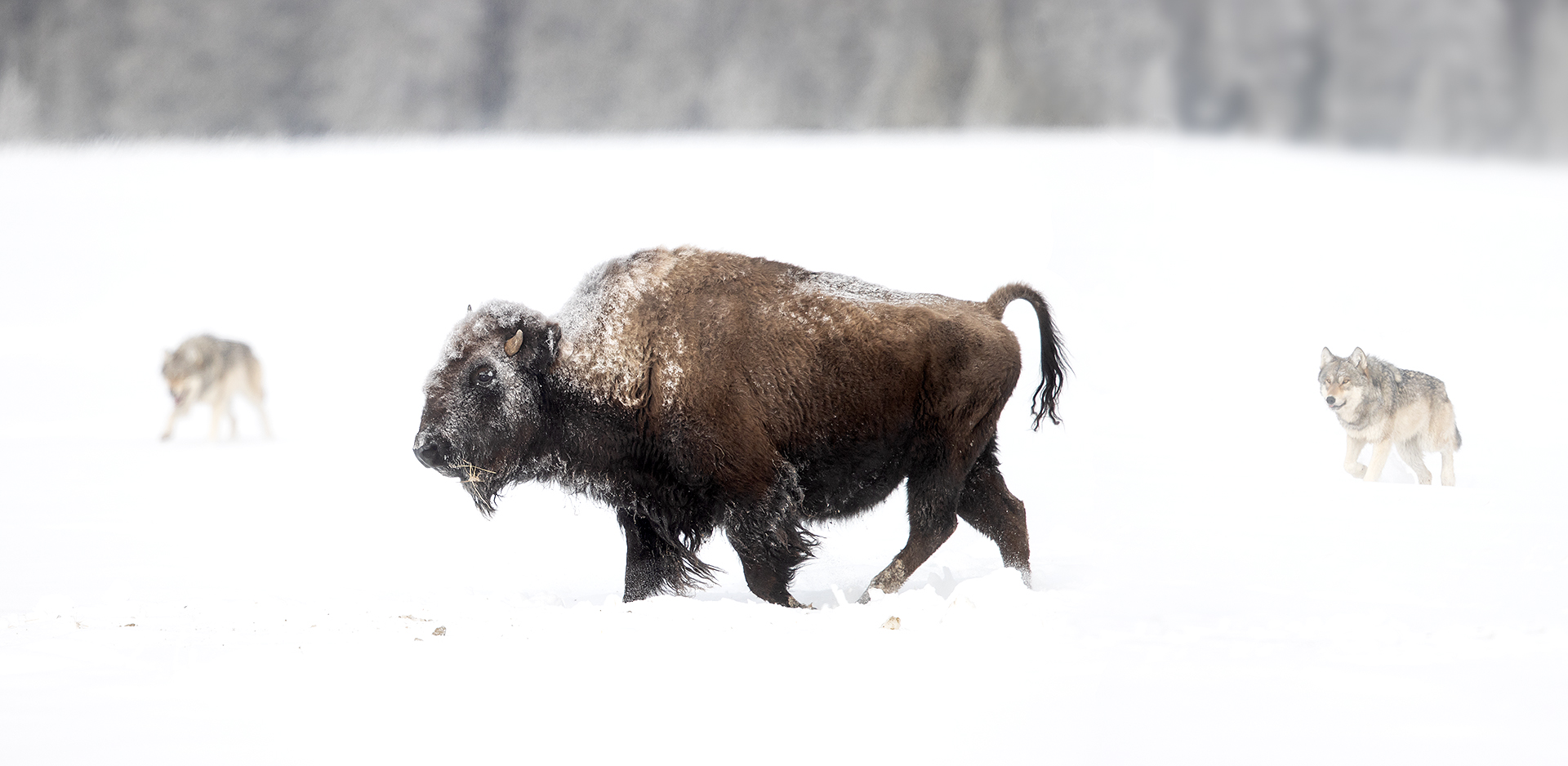
We found lots of fresh tracks but no sign of them at first. Then we arrived in an open area and saw some Bison in the distance that were distressed. As we got closer, we could see they were being harassed by the Wolves and they were trying to single out a young female. I have to say this has been without doubt my best wolf encounter to date and I never thought I would witness anything like this. It was hard to show the scene that was unfolding in front of us in a still image but the experience to witness it was amazing.
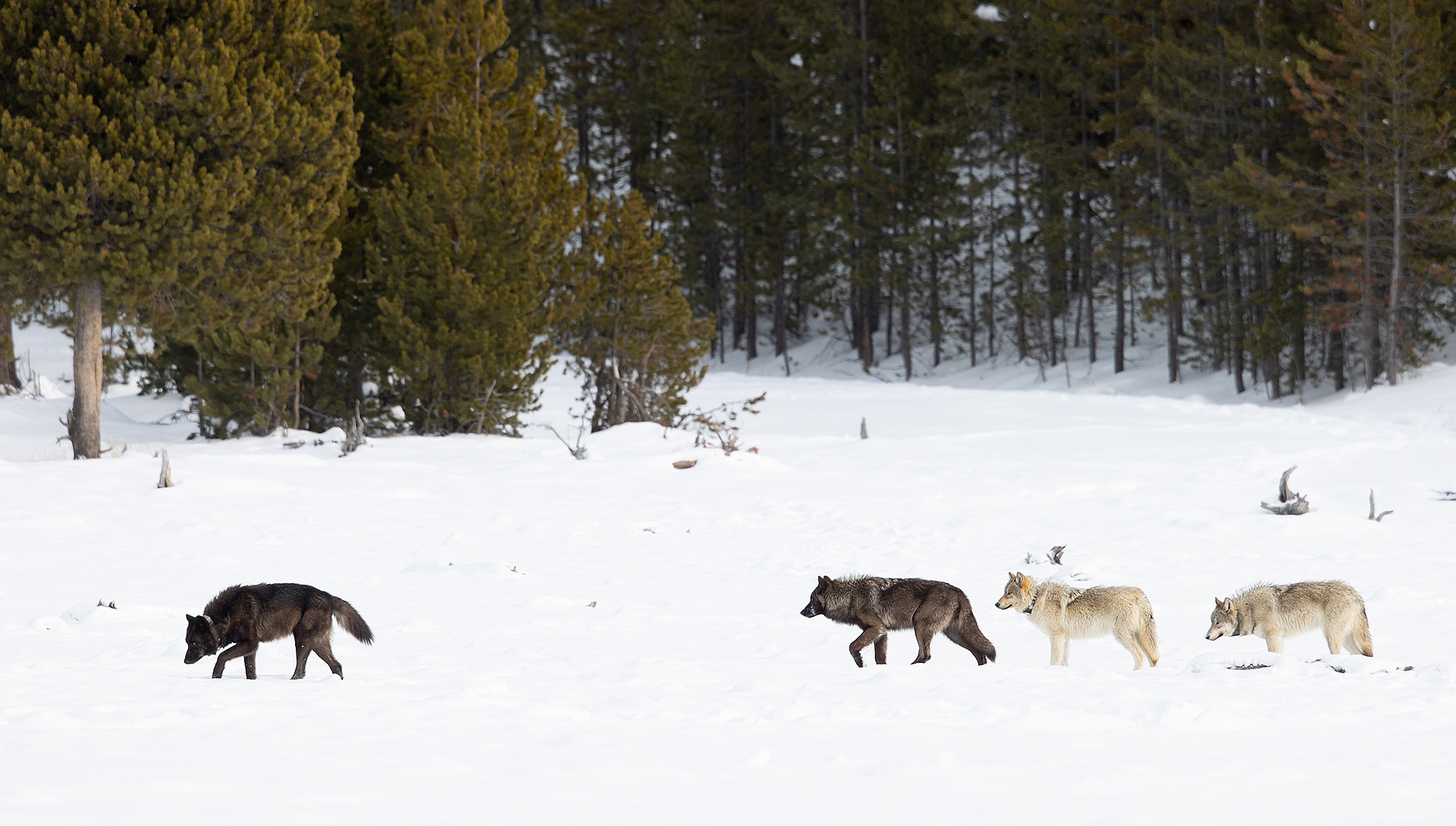
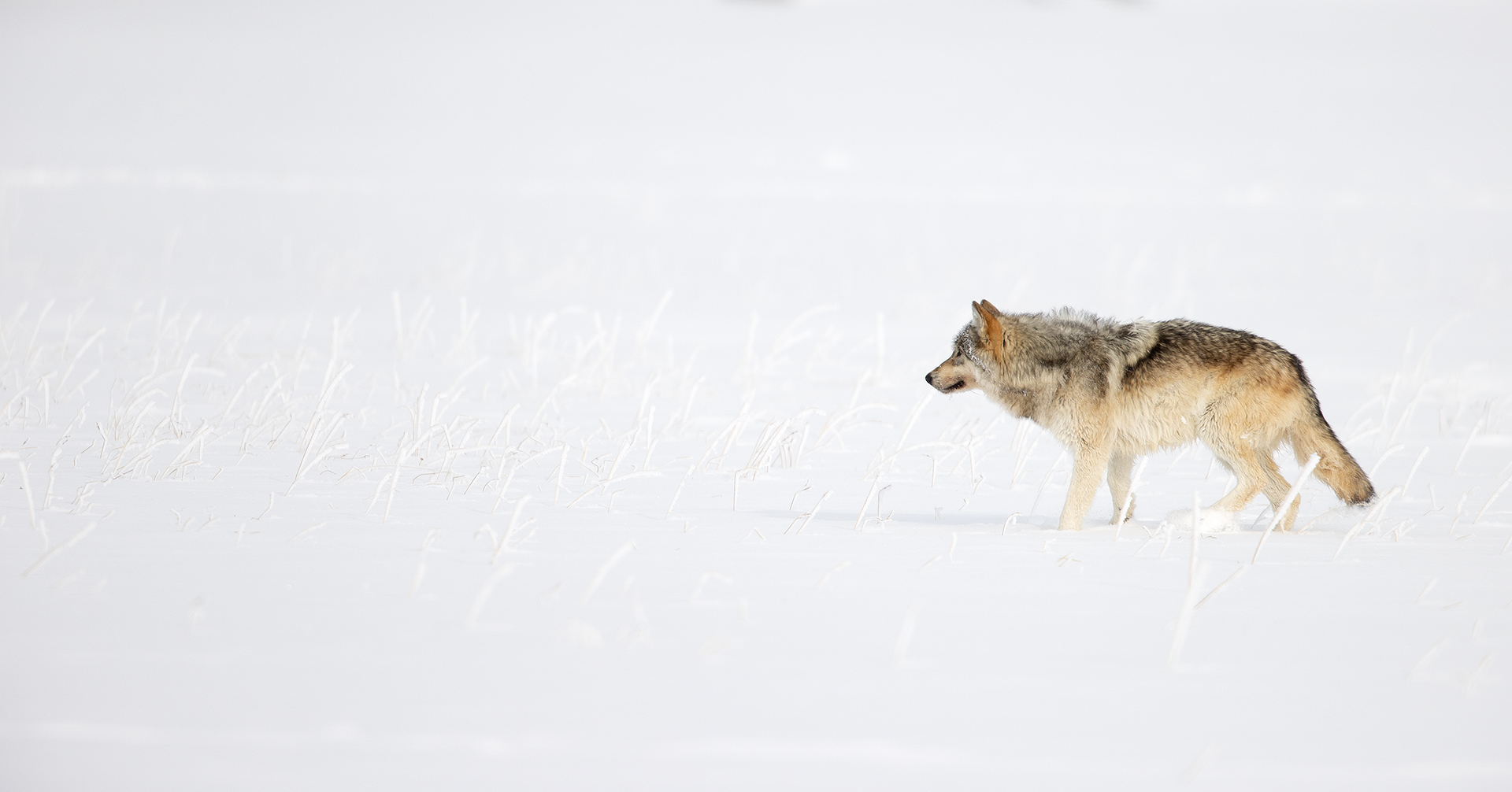


The Bison lived to see another day as this is what wolves do, they try and weaken the herd and single out an injured or younger individual. They do this over a few days and patience is the key to wolf survival. That was my last encounter with the wolves of Yellowstone we never saw them again, but I am already looking forward in going back and try searching for them again.
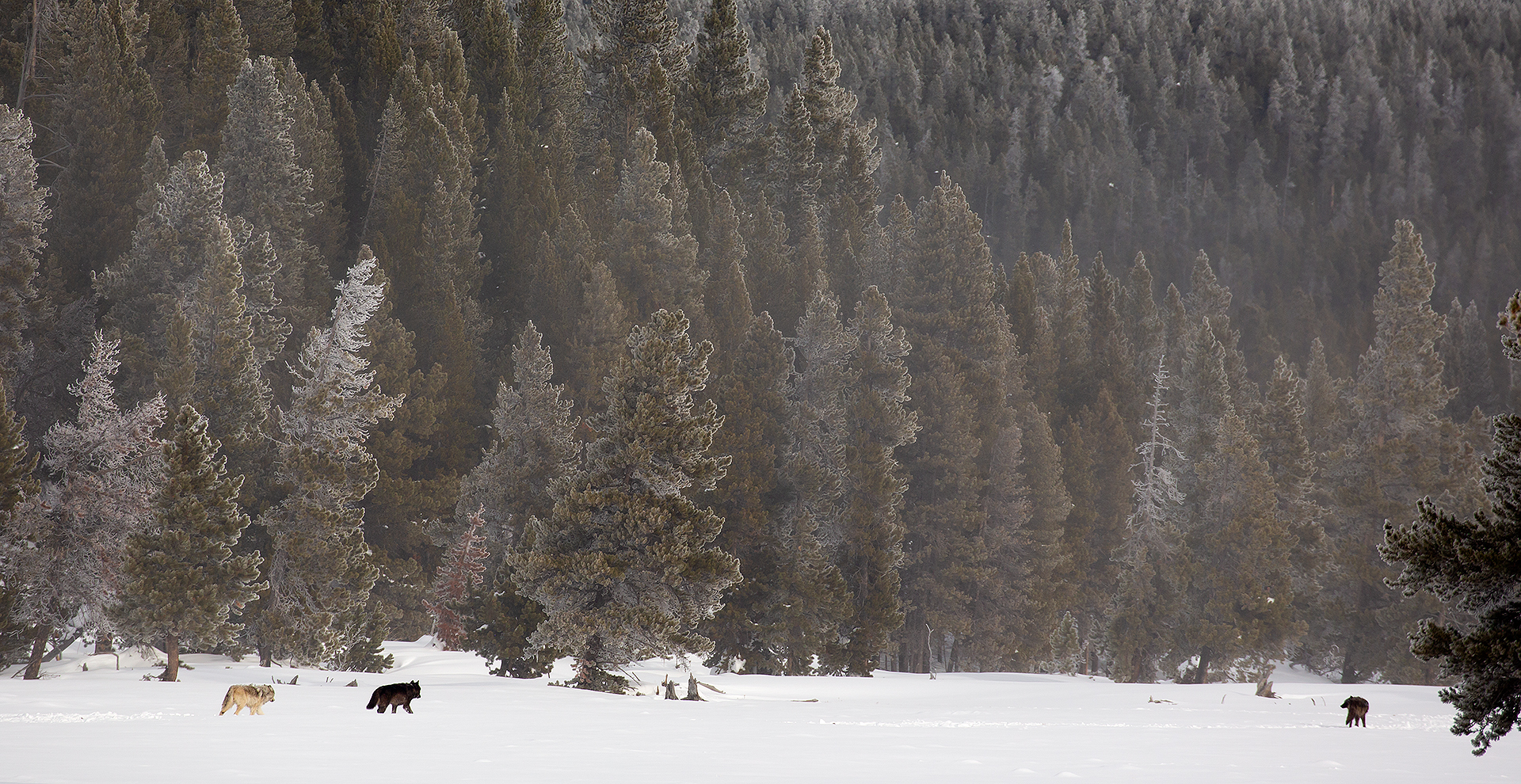
The other location that I go too in search of Wolves is the remote forests of eastern Finland. I have been visiting this location for many years now and over the years I have been relatively successful here too. My good friend Lassi Rautiainen has been feeding the Wolves along this remote stretch of eastern Finland, along the border of Russia for over forty years now. This is a completely different way in photographing Wolves here than it is in Yellowstone where you are more reliant on luck and capturing that natural behaviour. Here in Finland, you are sat in a hide and the wolves come to you. It is quite controversial feeding large predators and is a complete no-no across the pond in the States, so is frowned upon by quite a few people. These people like their opinions to be heard. but really, I see no harm in it at all, otherwise I wouldn’t do it.

Wolf numbers are extremely low across Finland because of persecution and the fact the authorities won’t allow them to go above a certain number of packs. This is disgraceful in this day and age. Places like Lassi’s plays an important role in making people aware of the wolves and the perilous situation that they face. If we ever get to the point in understanding this much maligned predator and accept it for what it is then the work at Lassi’s will be a beacon for this. I don’t have a lot of time for armchair conservationist, but I do have a lot of time for people like Lassi that make things happen.

Like I said I have been going to Lassi’s for years and I have always felt I was happy to see a wolf there but never really came away with lots of images, but boy did that change on my last visit. On my previous visit in 2018 the Alpha Male had disappeared, and the old Alpha female was not able to breed, as a result the pack was down to only around 3-4 individuals, and they were quite elusive. On my trip in September last year that whole dynamic had changed with a new Alpha Male and Female in place, and they had had a couple of productive years of breeding with a healthy litter of puppies. Now the pack was numbering around sixteen which is remarkable for Finland as most of the packs are much smaller than this of around 6-8 individuals.

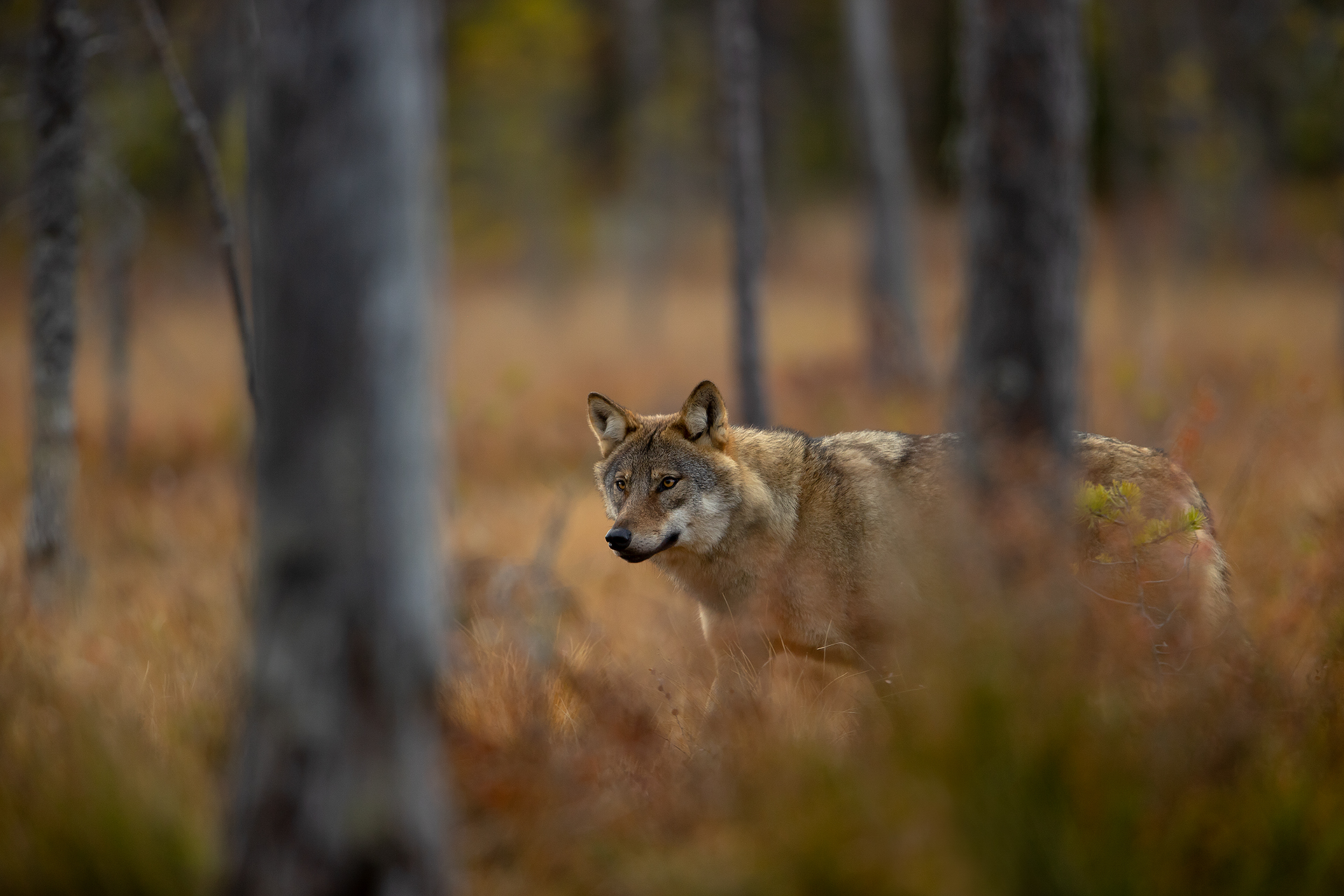


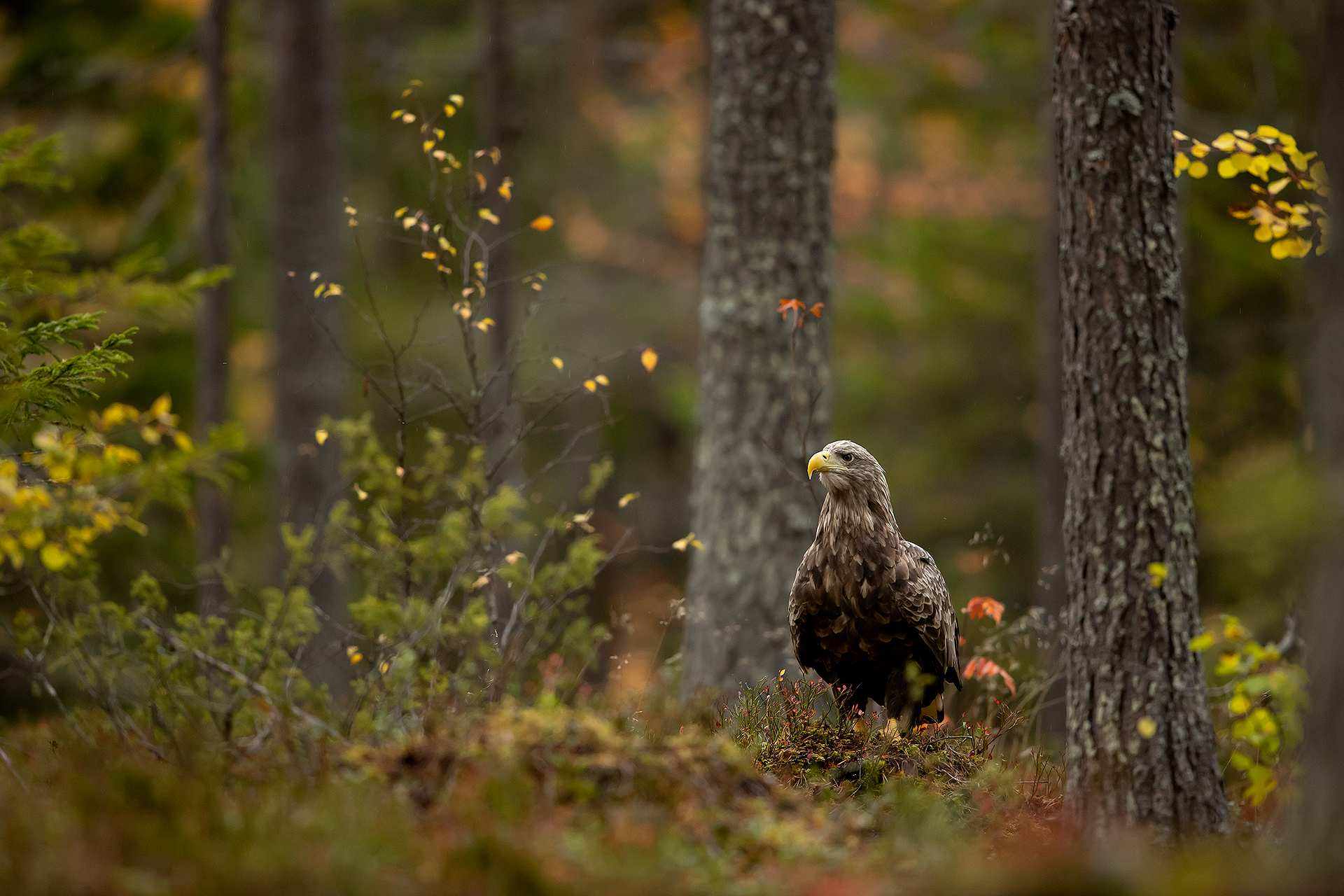
Usually here at this location you must very be patient for the wolves to show themselves. You spend 16 hours in the hide waiting for a wolf to make an appearance and then it is only briefly along the edge of the forest in the far distance. Not this year though as I had so many visits during my stay, and I just could not believe the difference from previous visits. Whilst you are waiting for wolves to show though you can at least get some great opportunities with the other top predators of these forests like Brown Bears, Wolverine and Eagles.
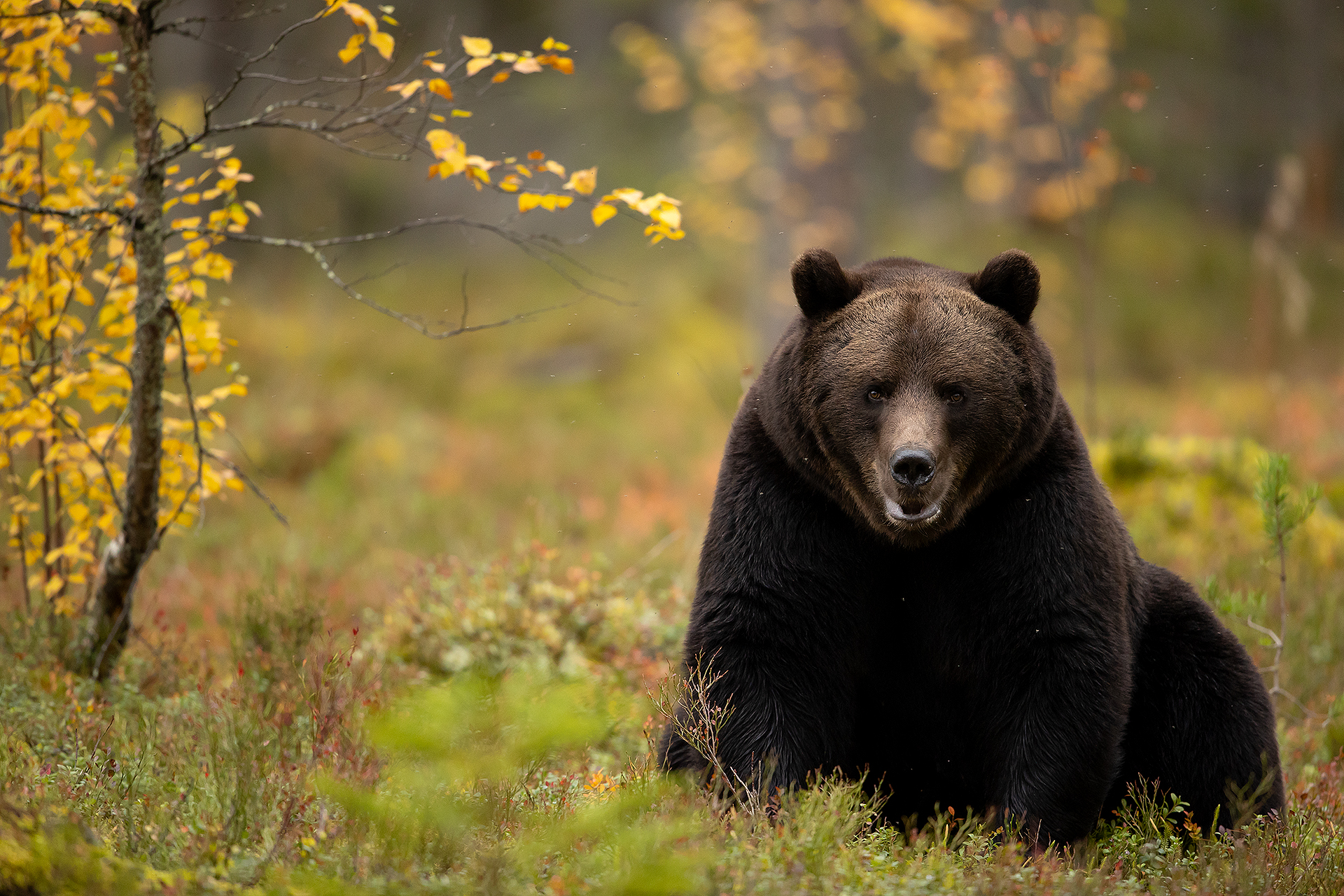
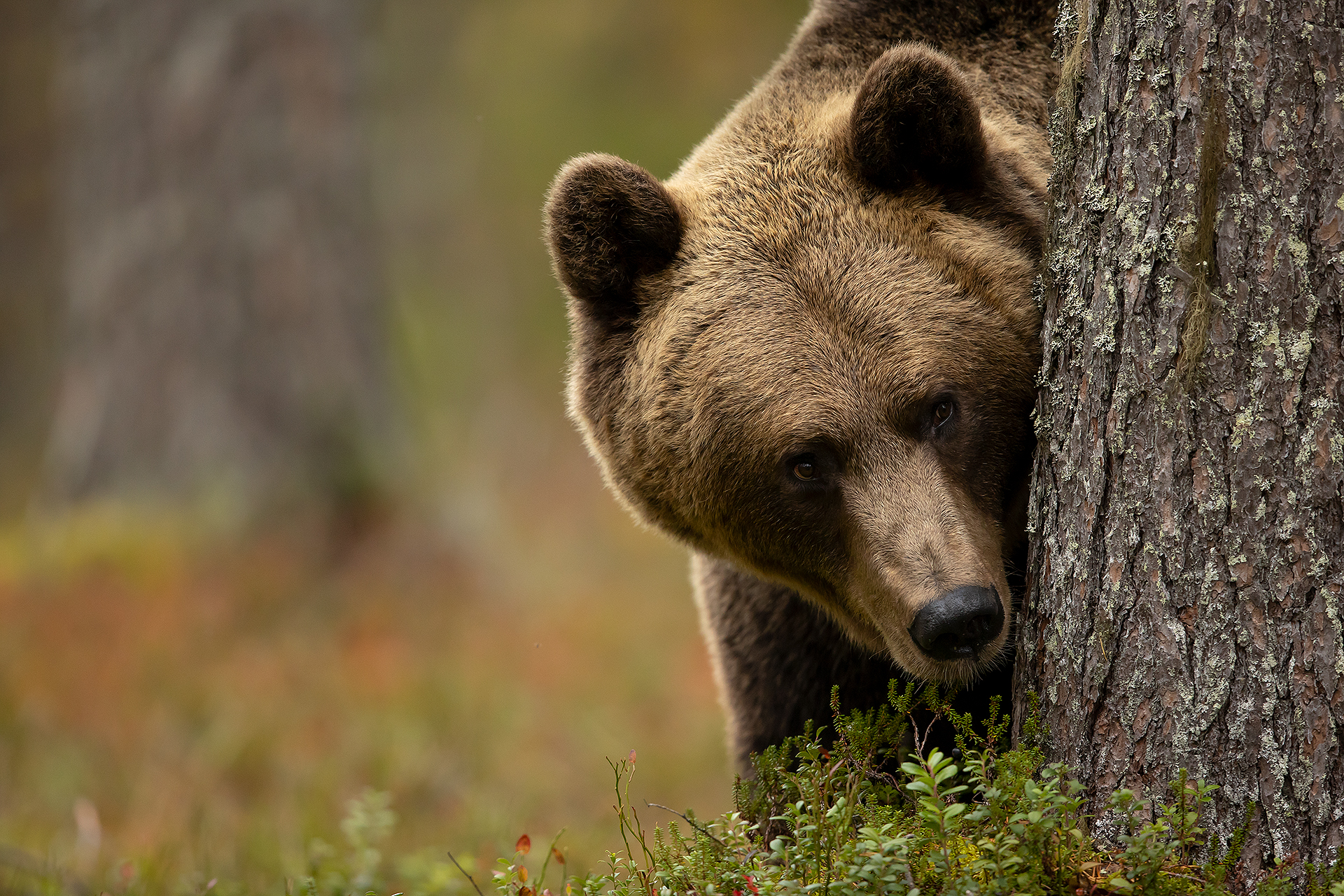
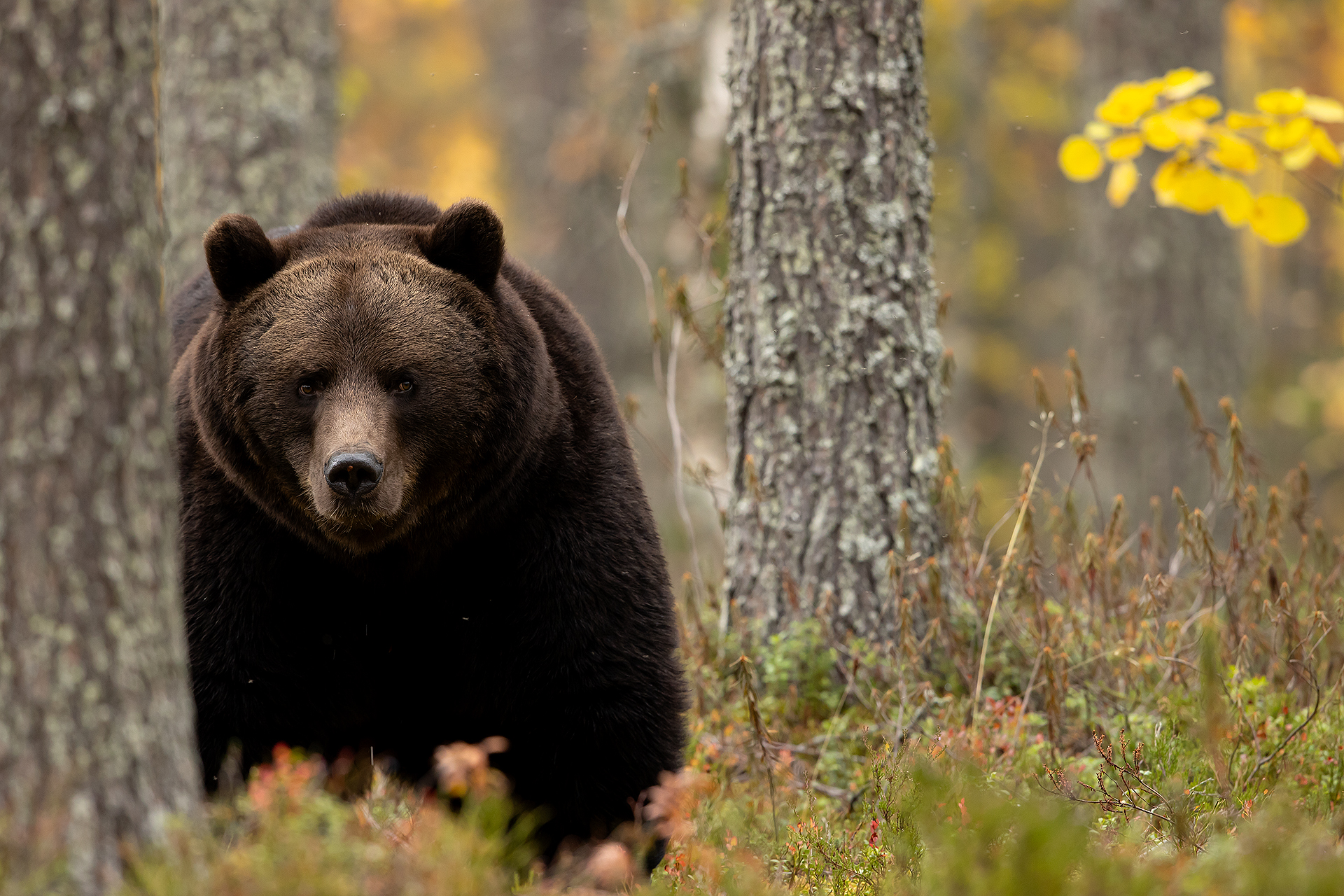
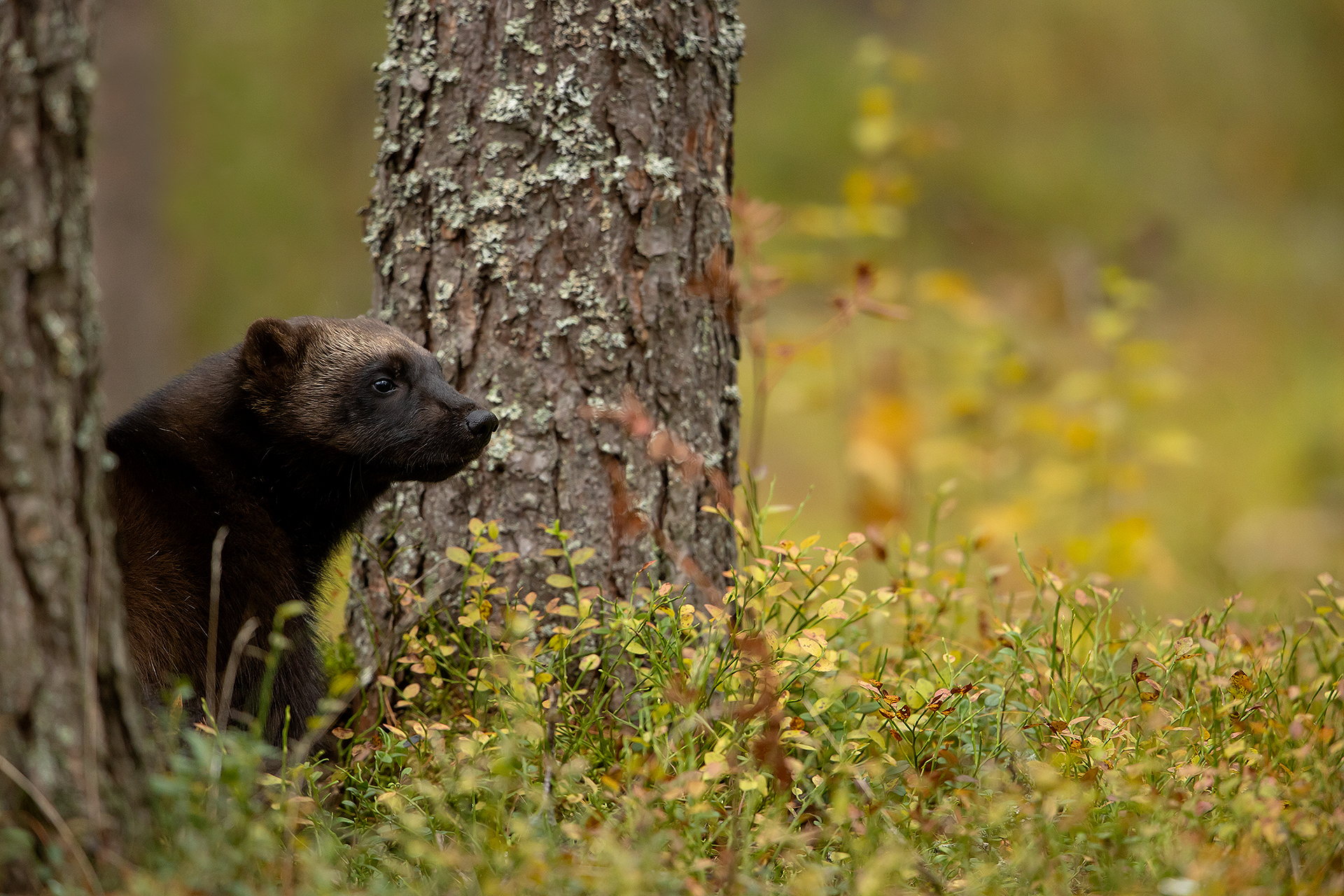
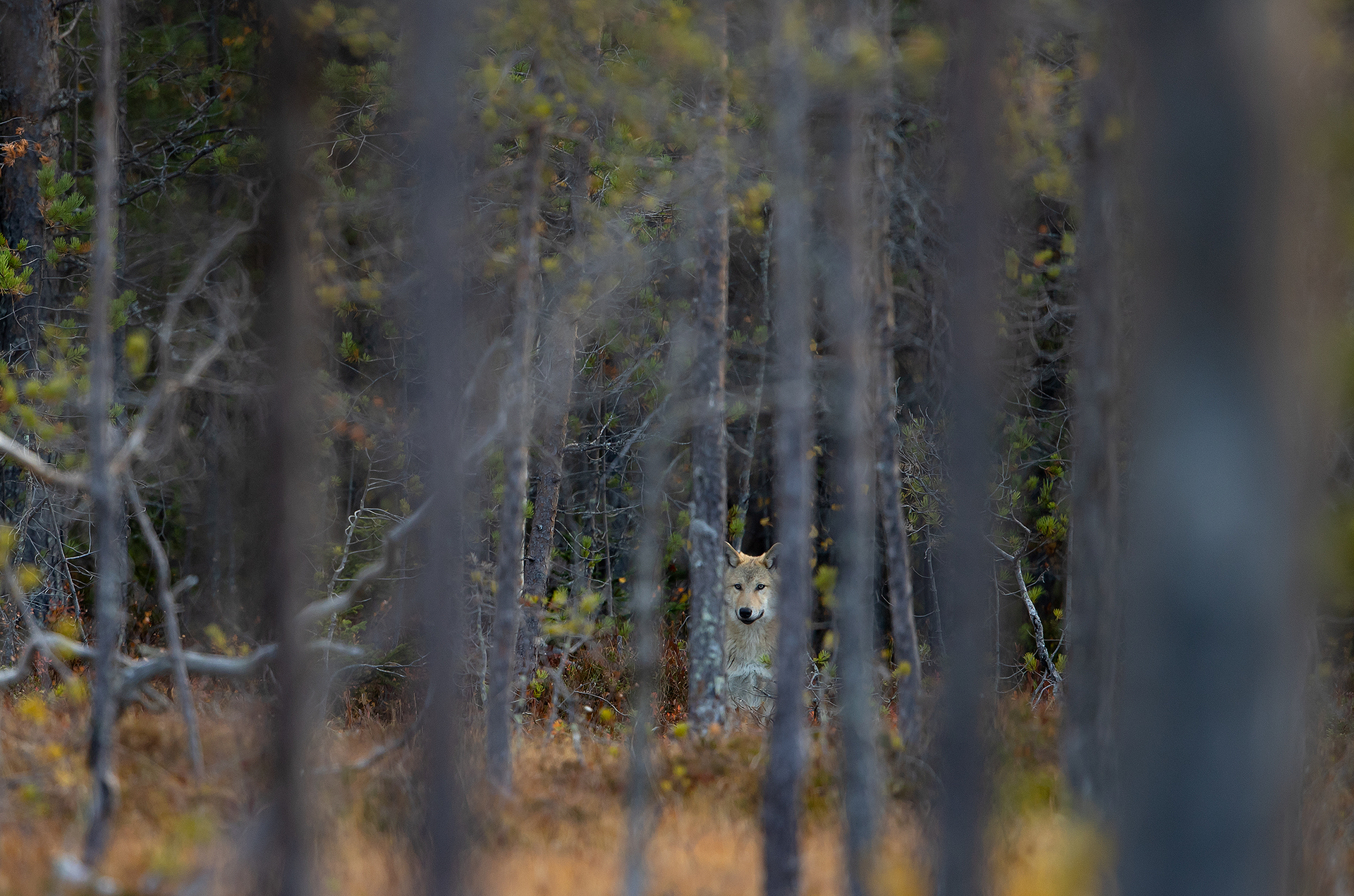
It was the older members of the pack that were coming close enough to the hides so that I could photograph them, but I really wanted to get some images of this year’s pups. At first, they were just hanging in the background along the edges of the forest. They make nice shots, but I was really hoping they would come closer.

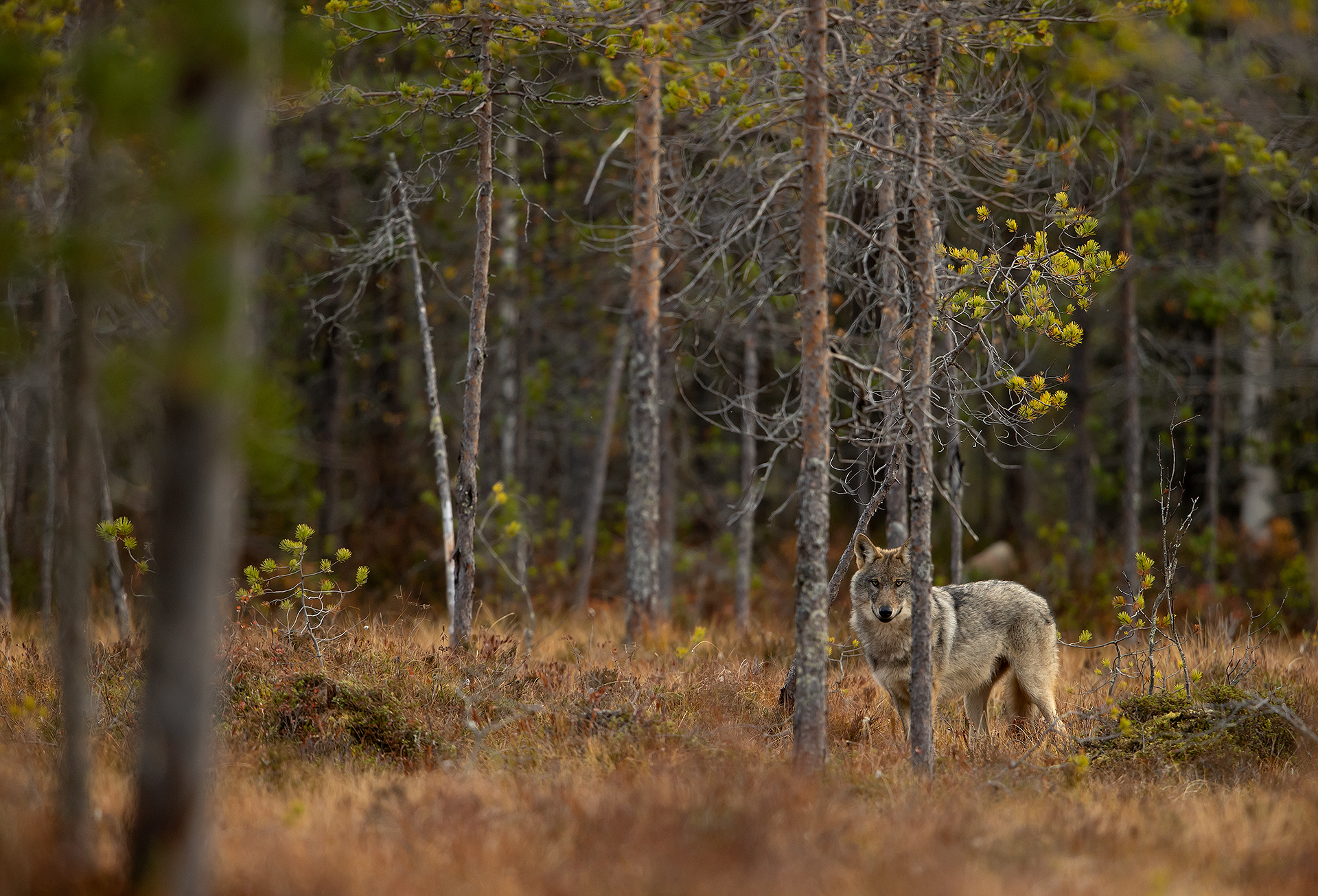


Eventually they started get brave enough for a closer inspection and came quite close to the position of the hides. One blond female Pup was a great model and eventually she really got bolder towards the end of my trip.


So, after all these years of trying to photograph Wolves and only managing to get a handful of images during that time, two trips down the line and my wolf portfolio is looking a little bit healthier. Two very different trips and two completely different ways of getting images of this iconic predator. I never thought I would be able to do a whole blog on Wolf images, but it goes to show how times and locations can change.


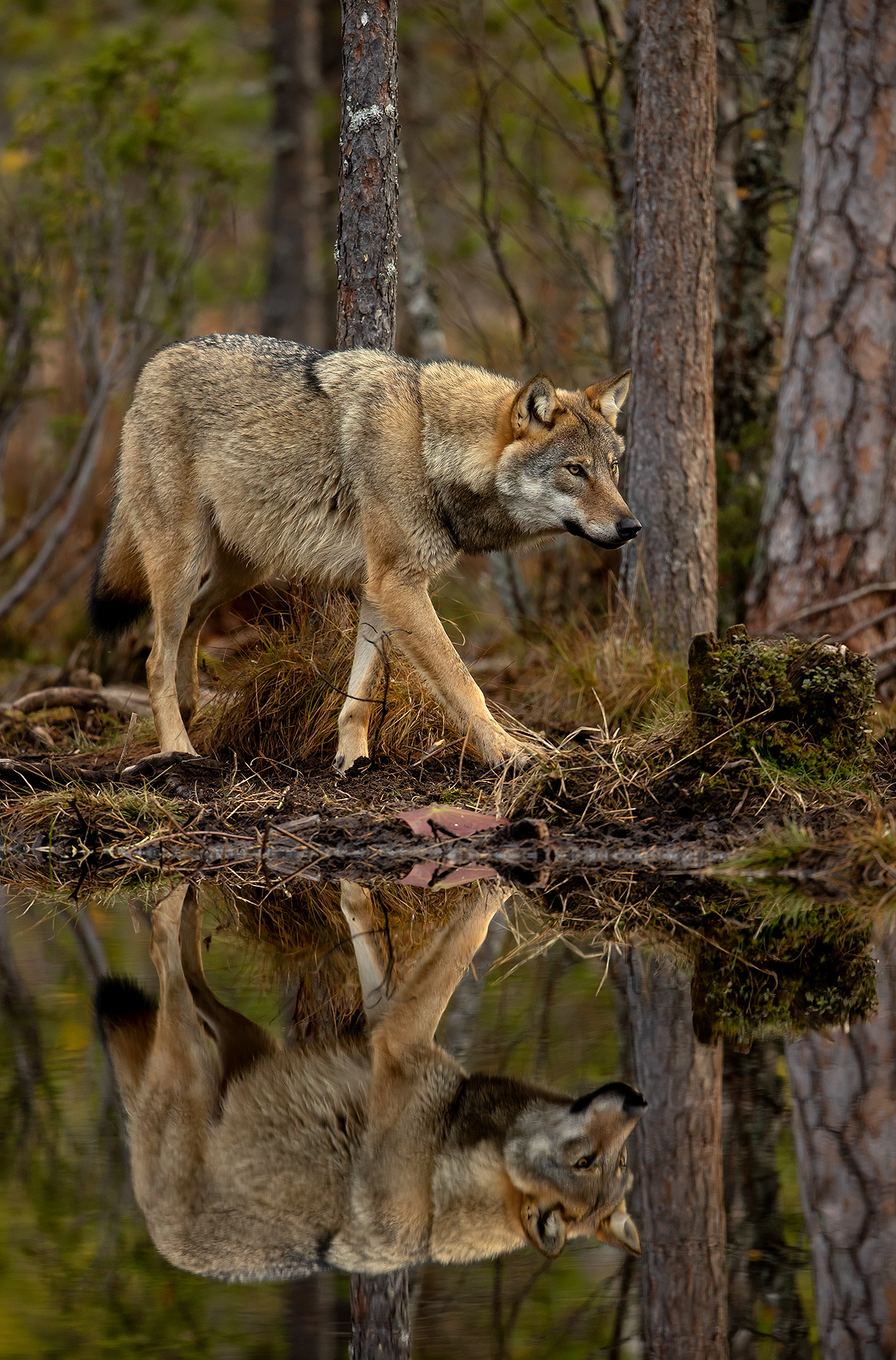

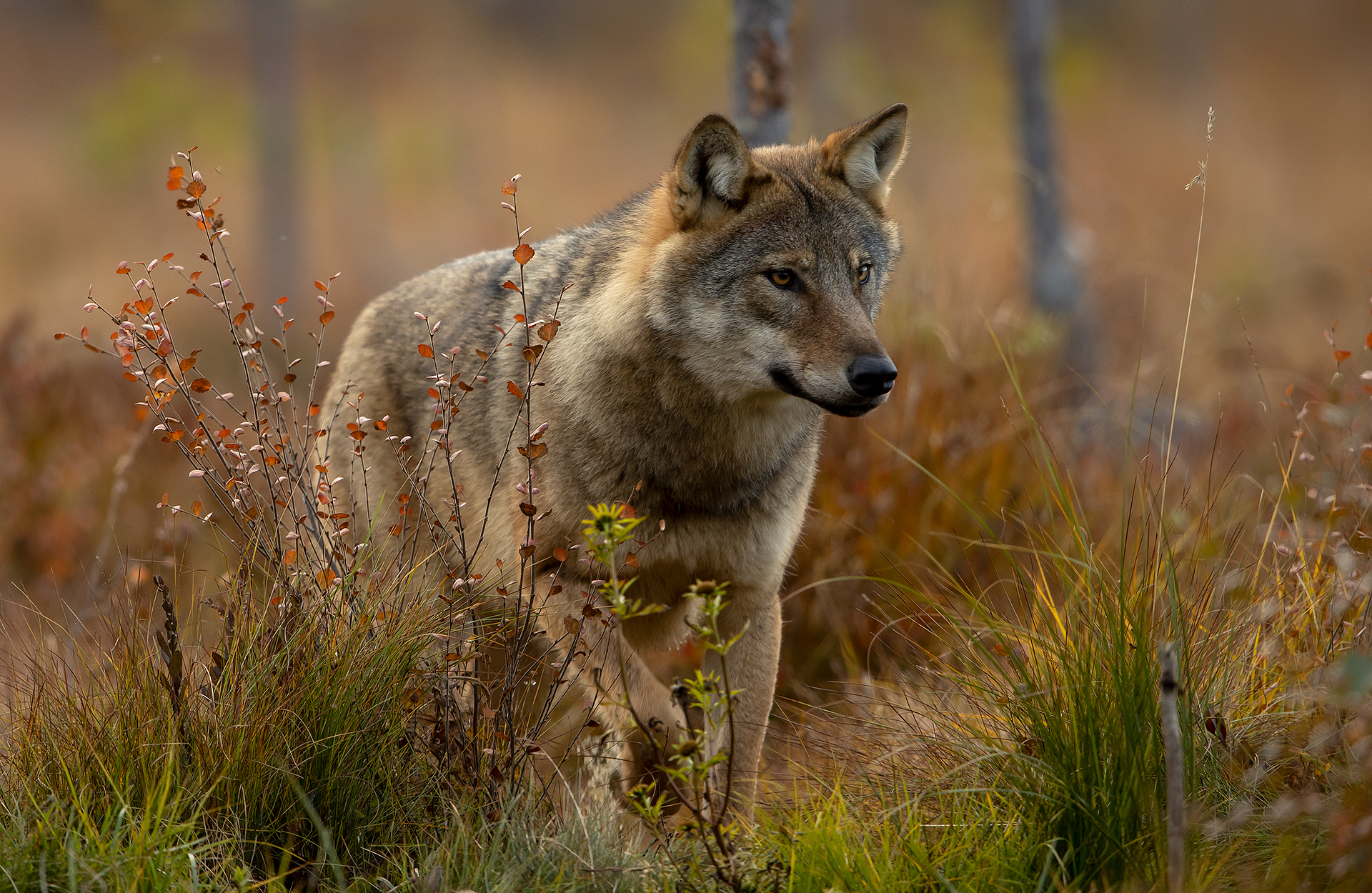
I am due to go back out to Finland again during the Autumn to have another go at capturing images of the wolves set amongst the rich colours of the brief Autumnal colours of the Taiga and then I am back out to Yellowstone to see if I can catch up with Wapiti pack in the interior of the park. I don’t want to wish my year away, but I cannot wait, and I am looking forward to them both. Both these trips are full, but I have put up new dates on the Natures Images website for a Finnish Predators trip where you could get the chance of photographing not only wolves but also Bear and Wolverine too. I only have a few places left.