It has been a really difficult time being a wildlife photographer during the pandemic as let’s face it we like to be out and about, enjoying the freedom and the nature that we search for. My little Garden project during the winter was a great move as it kept my hand in and at least I could achieve some new images. Since the restrictions started to ease, I have been travelling to many parts of the UK in search of new subjects to work with. One of my favourite places to visit is the Dumfries and Galloway area of southern Scotland. This area is a little secret gem of a place with so much wildlife and such a variation in habitats. It is also the home of a great friend of mine, Alan McFadyen who I think is one of the most knowledgeable naturalist photographers working today. His knowledge of his area and the wildlife that can be found there is phenomenal. I have been visiting Alan’s for many years and last summer I spent a lot of time up there trying to photograph Badgers, so it just seemed a logical choice to get myself up there once the restrictions had ended.
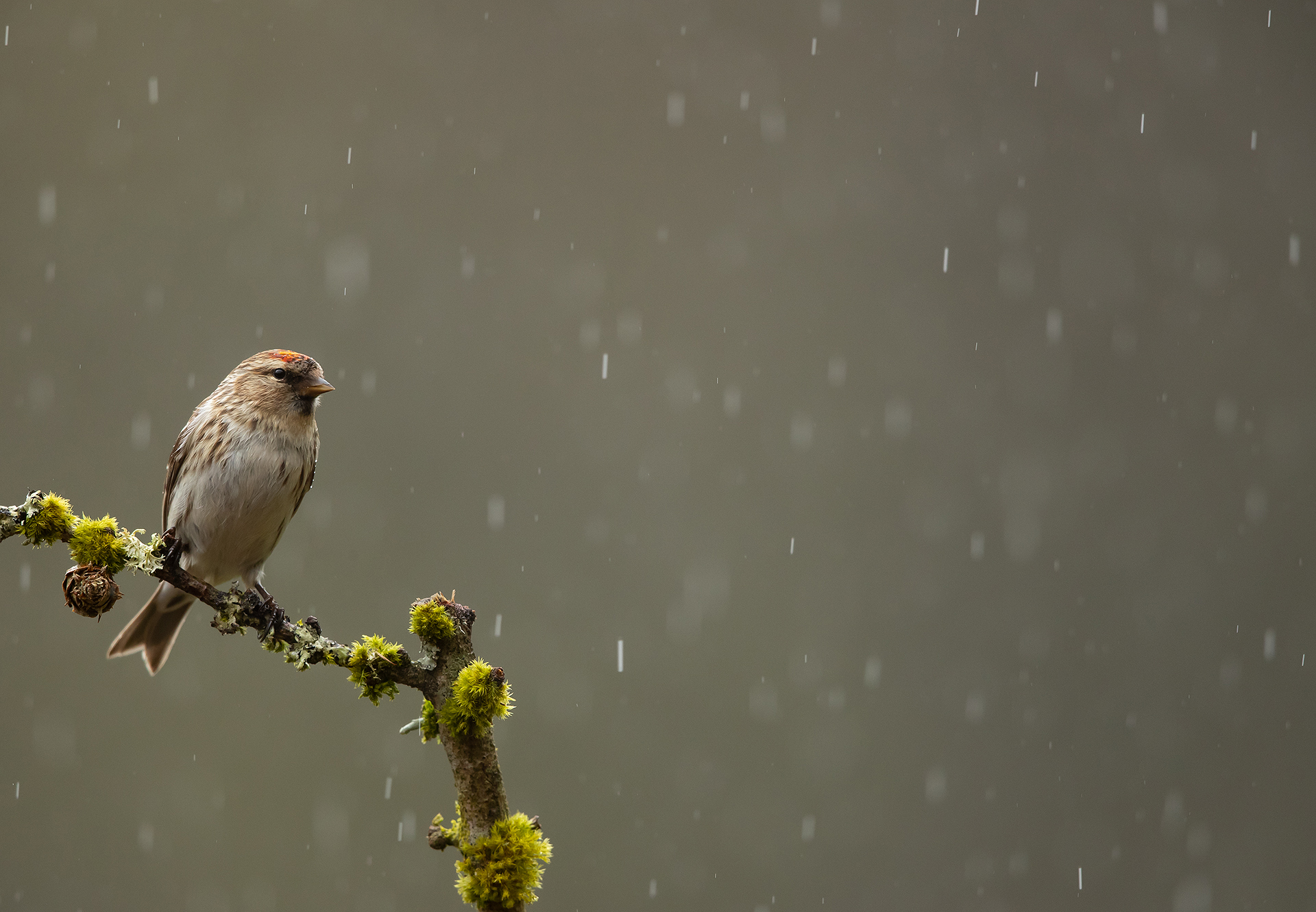
My main target was to photograph Whinchat as it is a bird that I have wanted to photograph for so many years, but I have never got round to doing so. Spring was about two weeks late this year as it was such a cold April, the Whinchats had arrived back from their spring migration but were proving a little difficult to pin down. Now the problem with Alan’s place is you can go up with a plan but usually it gets thrown out on the first day because he always has something else working. This was the case for me on my first visit as at his woodland feeding station, he had still got some good numbers of Lesser Redpolls visiting and that was another species that I had wanted to target this year.
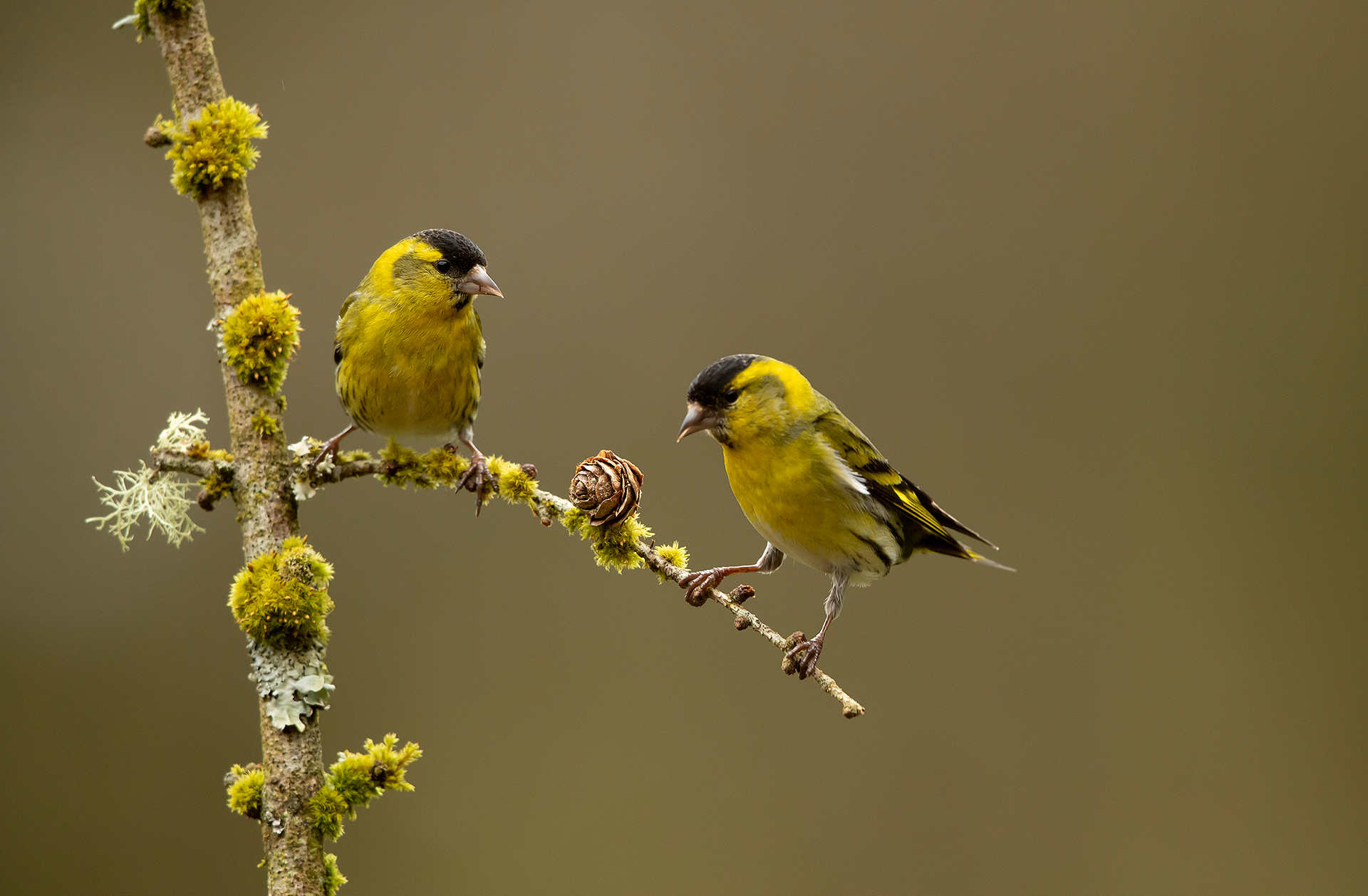
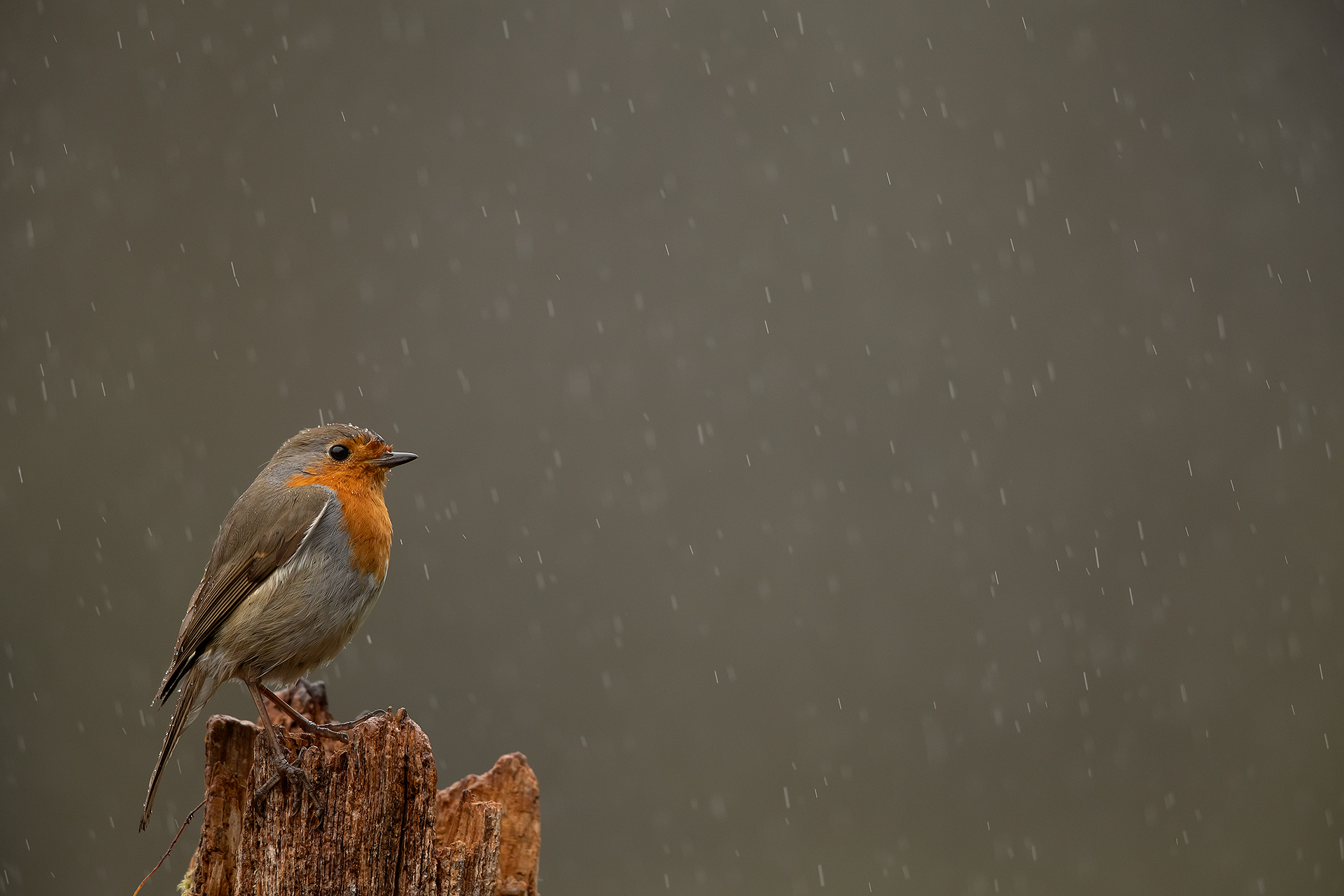
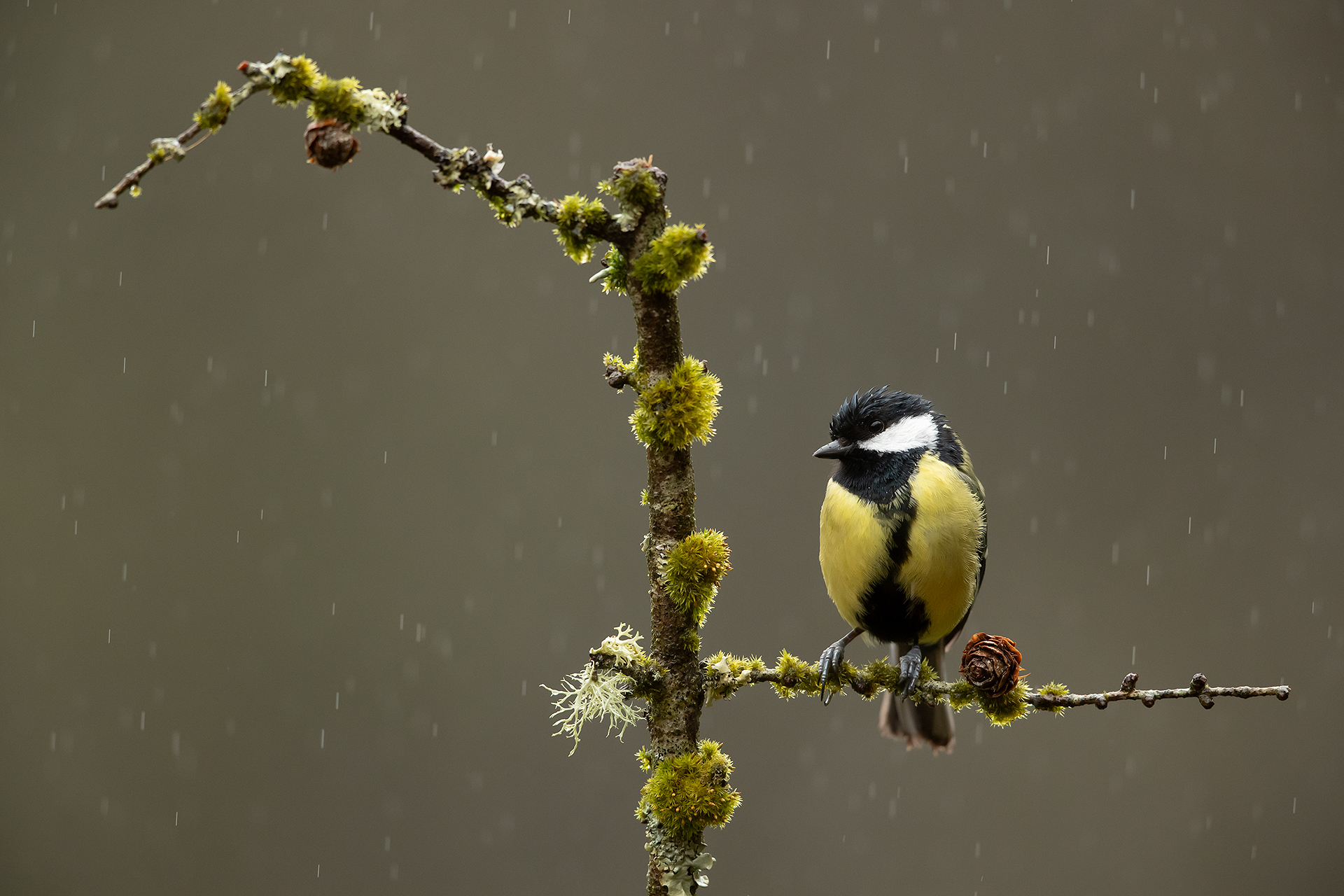
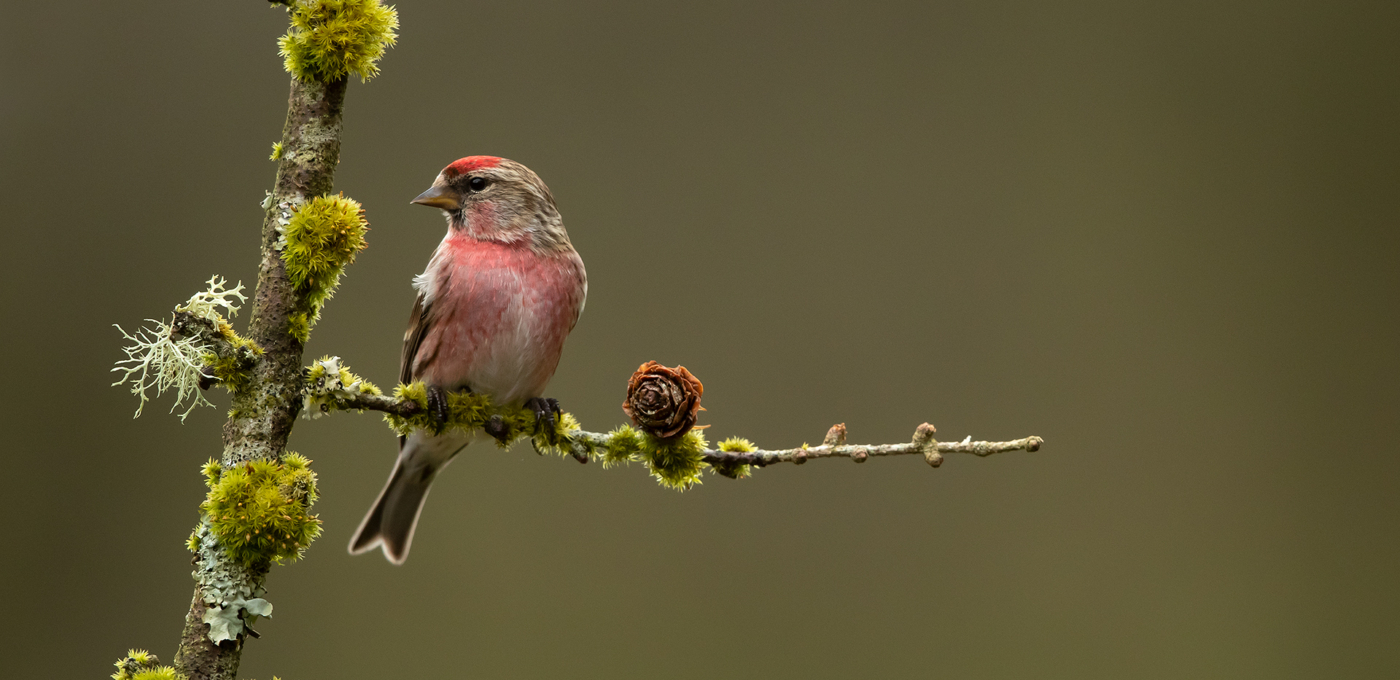
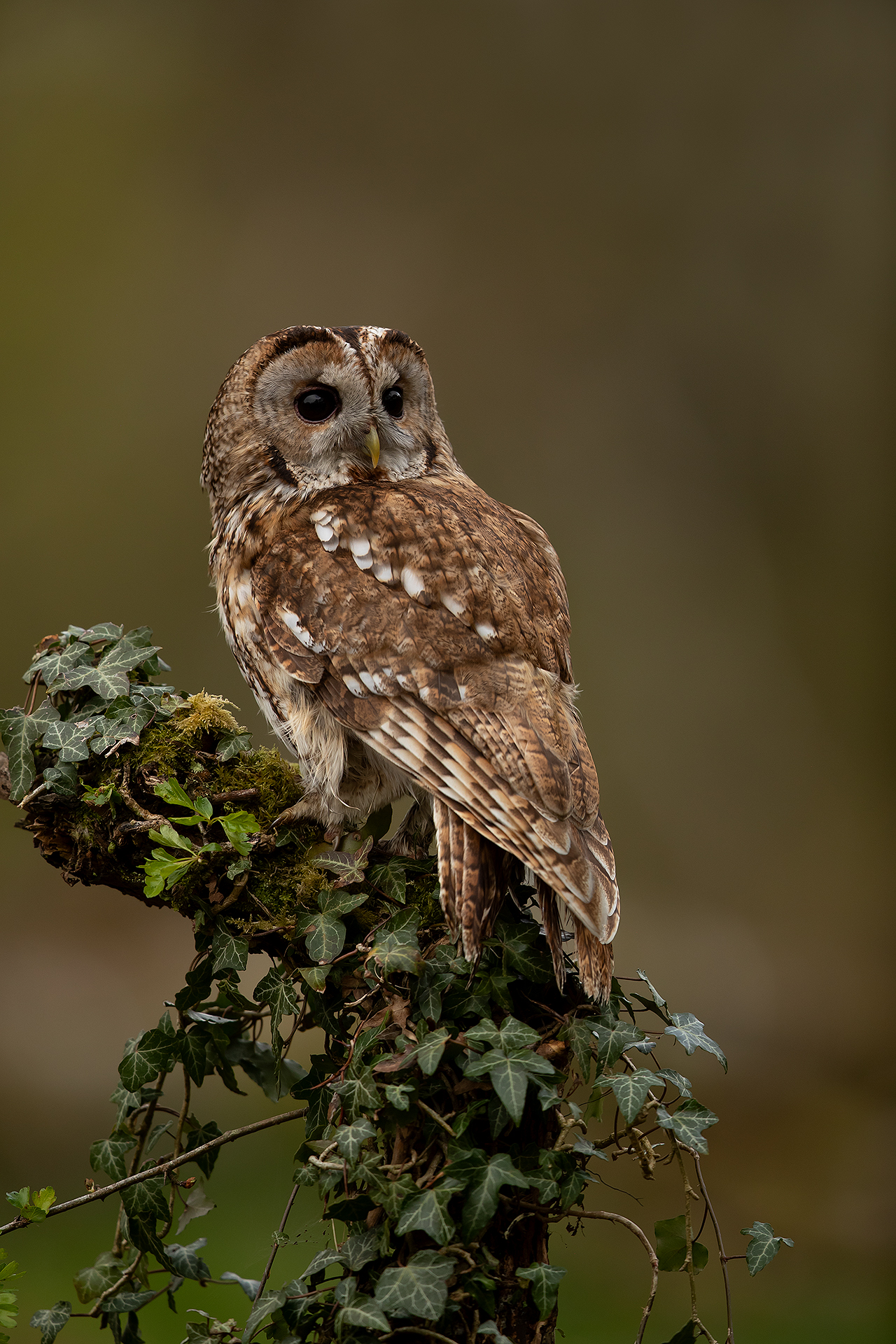
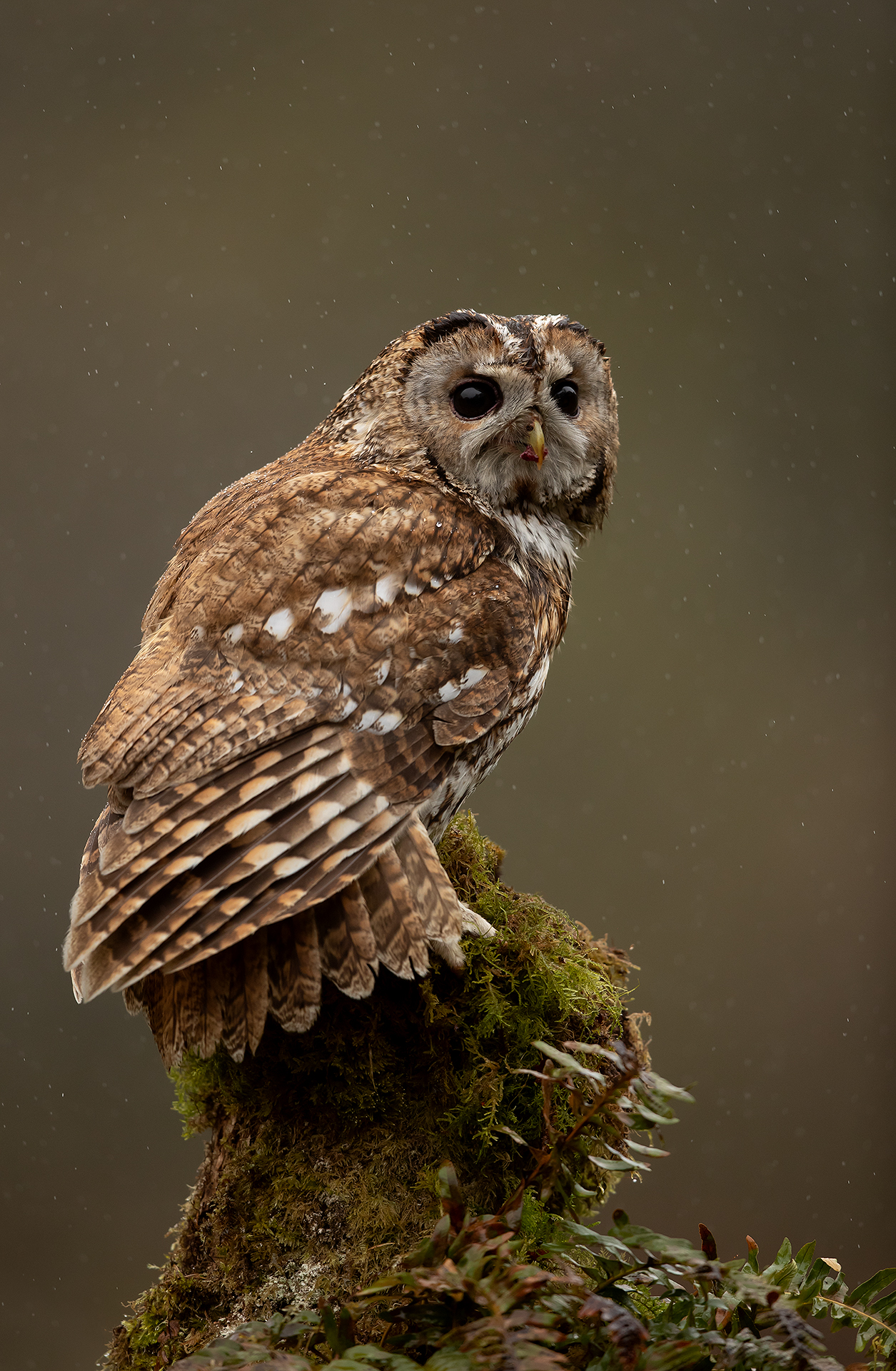
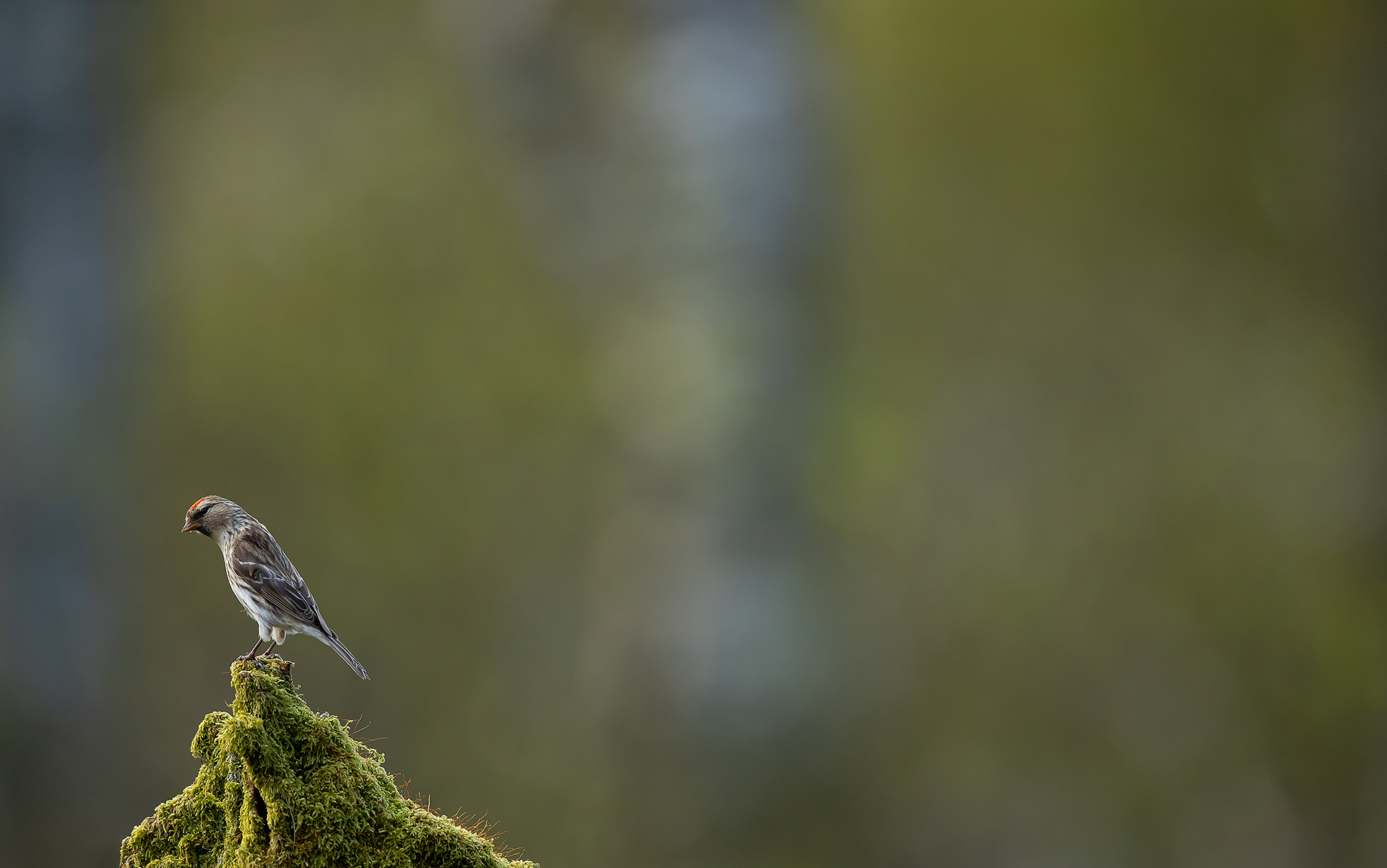
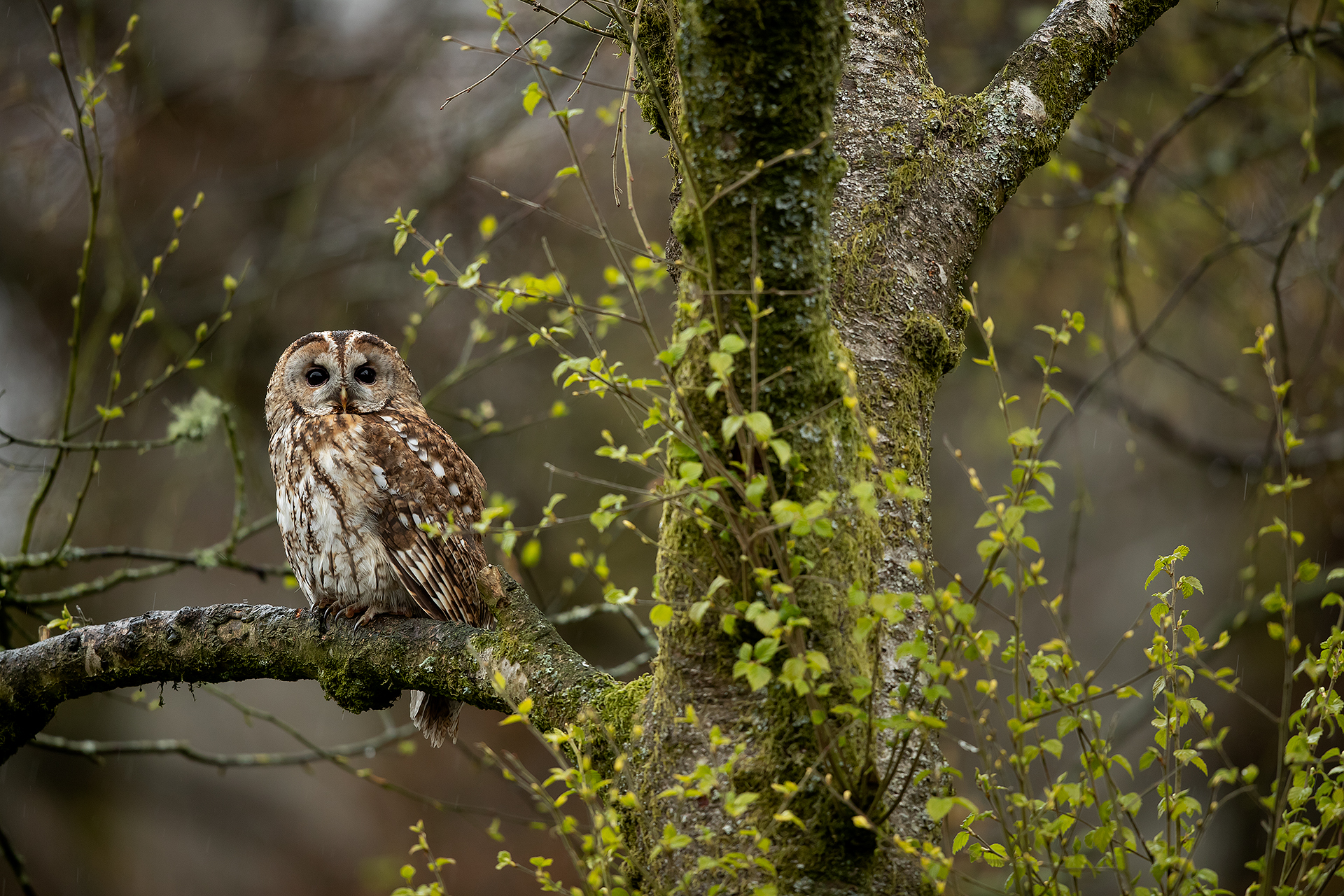
The male Lesser Redpoll is a stunning little bird in his finest breeding plumage and there was a couple of fine males visiting the feeding station. Lots of other species were present too from Siskins, Tits and Robins, so lots to keep me busy. Alan also mentioned that there might be an outside chance of a Male Tawny Owl visiting too during the early mornings and boy was that an understatement as I must have had over twenty visits during my time in his hide. I have only photographed Tawny Owls at night using flash equipment before and I never thought I would get the chance to do so during daylight hours.
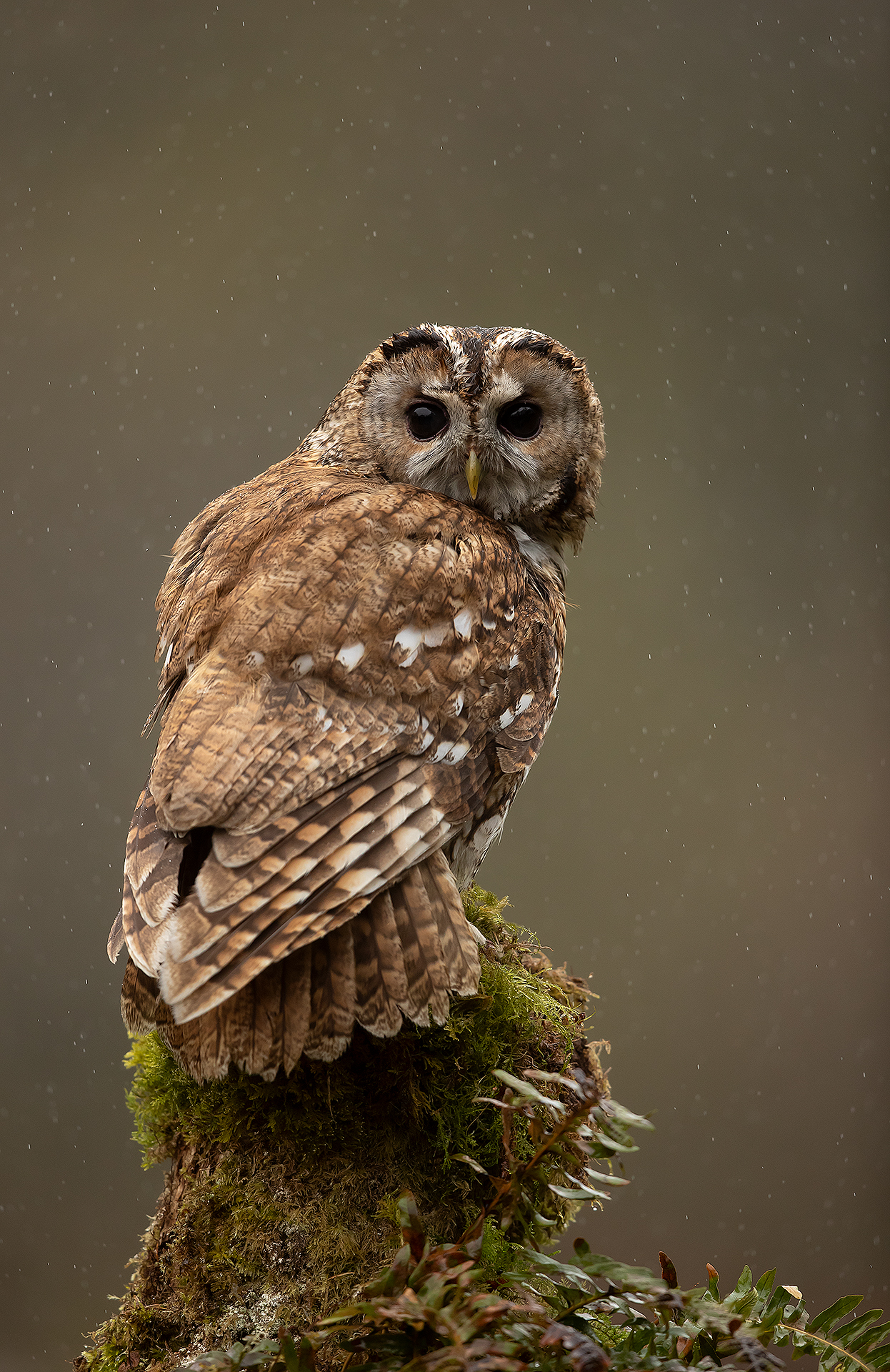
I was so pleased with the images that I managed to capture of this beautiful Owl. These sought of images in daylight hours are usually only possible by using a captive model and most of the Tawny Owl shots taken during the day you see are just that. It really was an amazing opportunity, and I am glad my plans changed. It was such a good few sessions photographing the Redpolls and Siskins and then suddenly, alarm calls started ringing out and the Tawny would decide to pay a visit, a great experience.
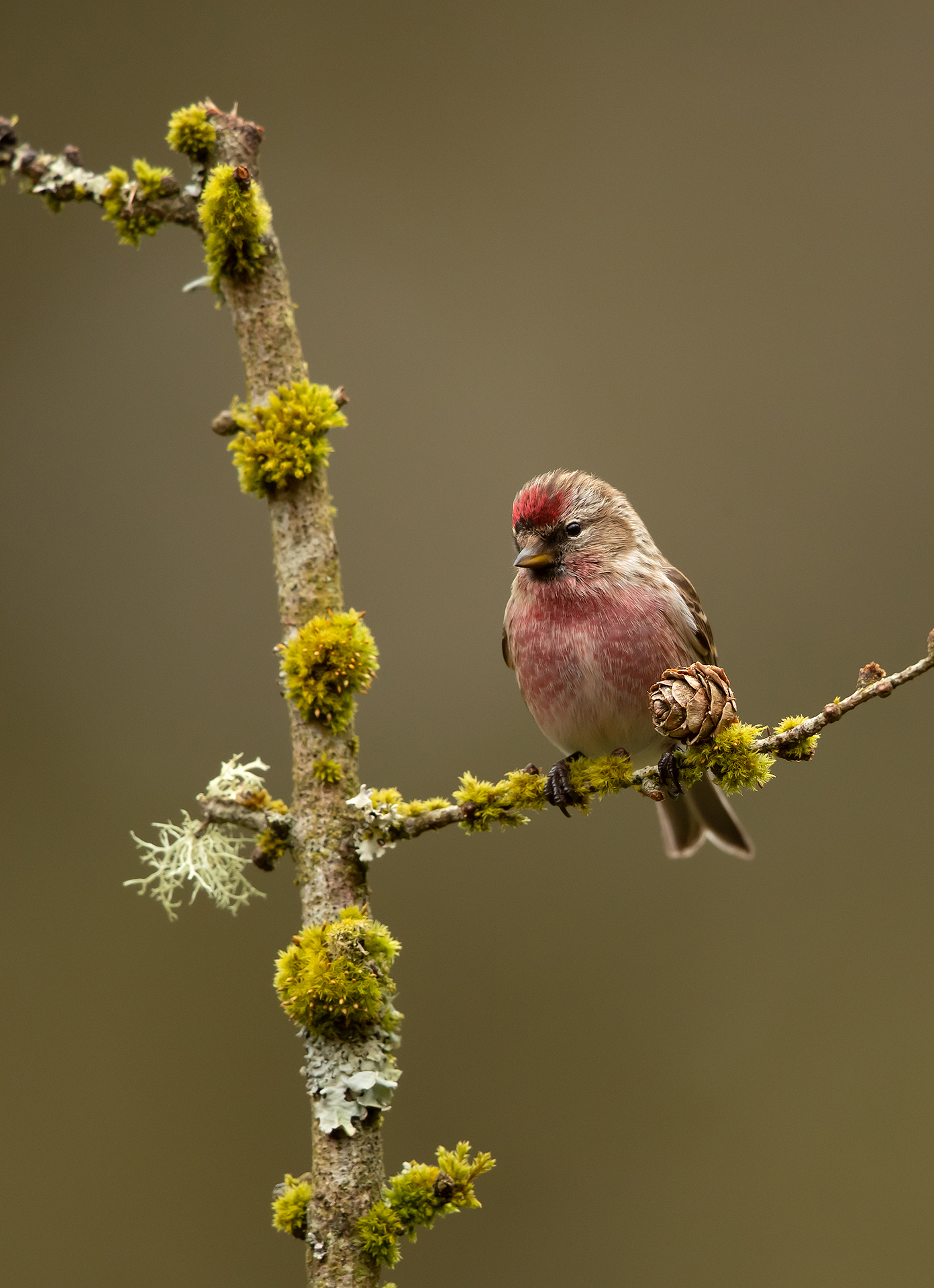
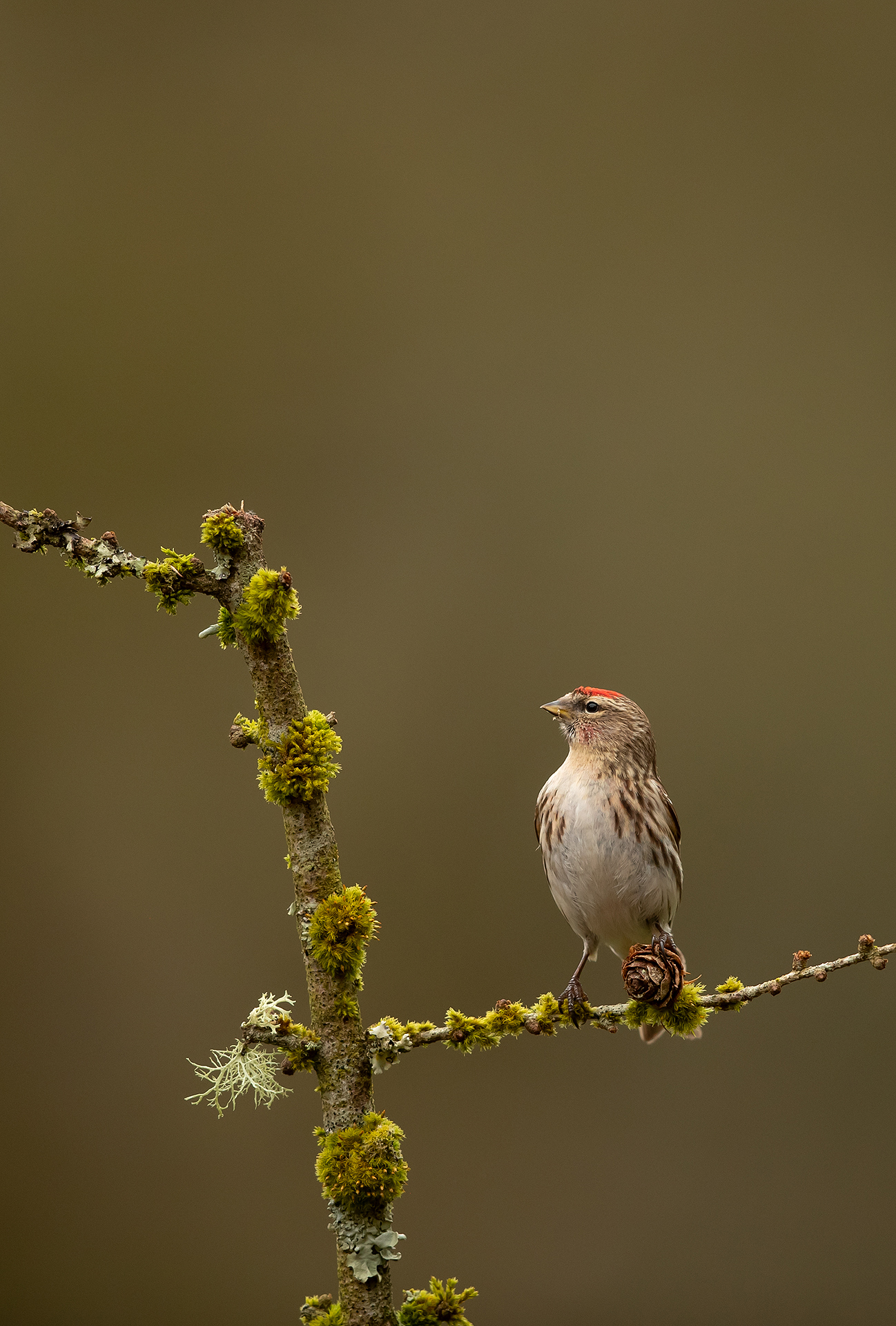
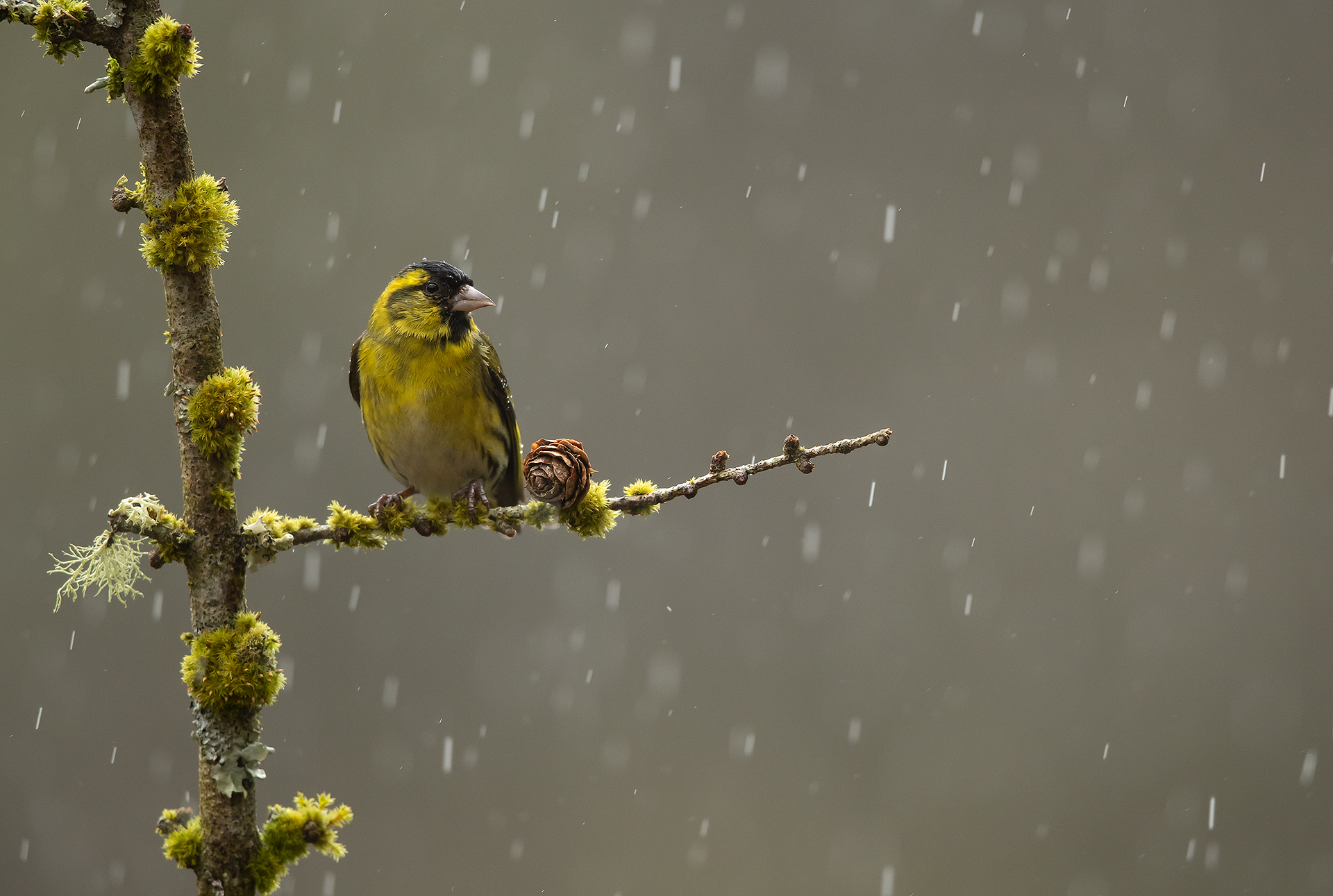
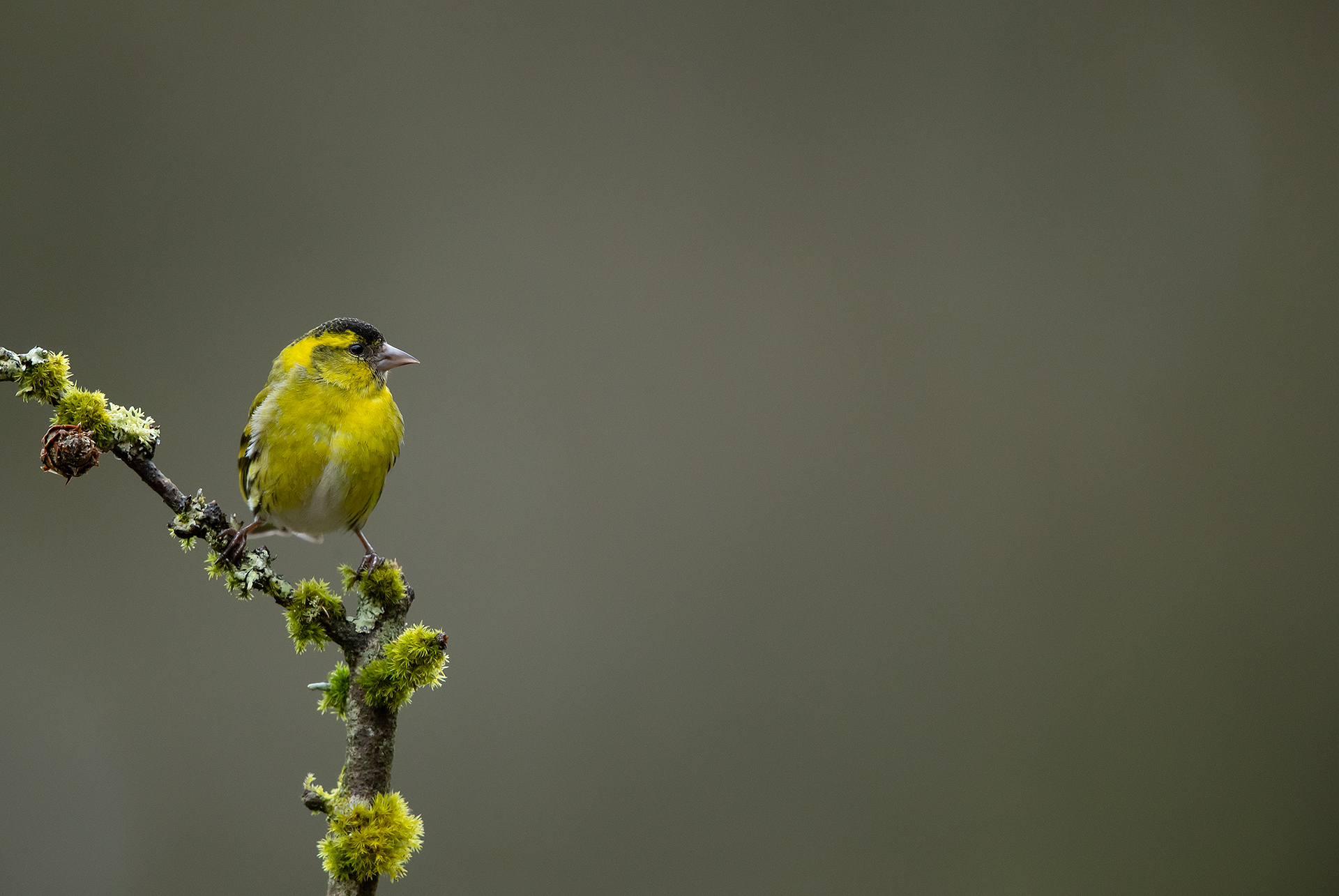
For the first couple of days, I was photographing the small birds in my usual way, trying to get clean backgrounds which makes these little gems stand out, like this male Siskin. Picking the right perch is the key for these kinds of images working as well, if the perch is too big it can overwhelm the bird and then it gets lost in the image.
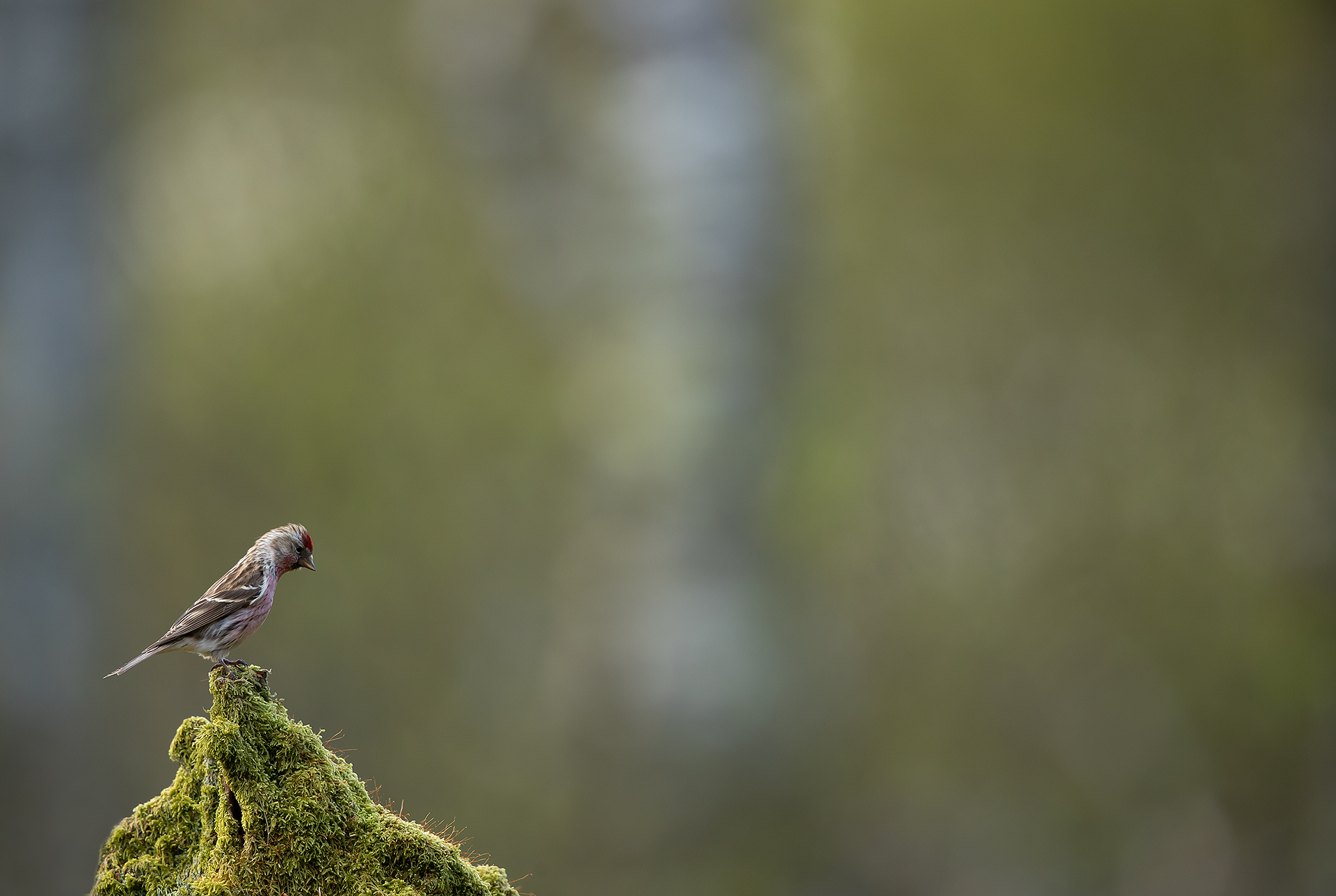
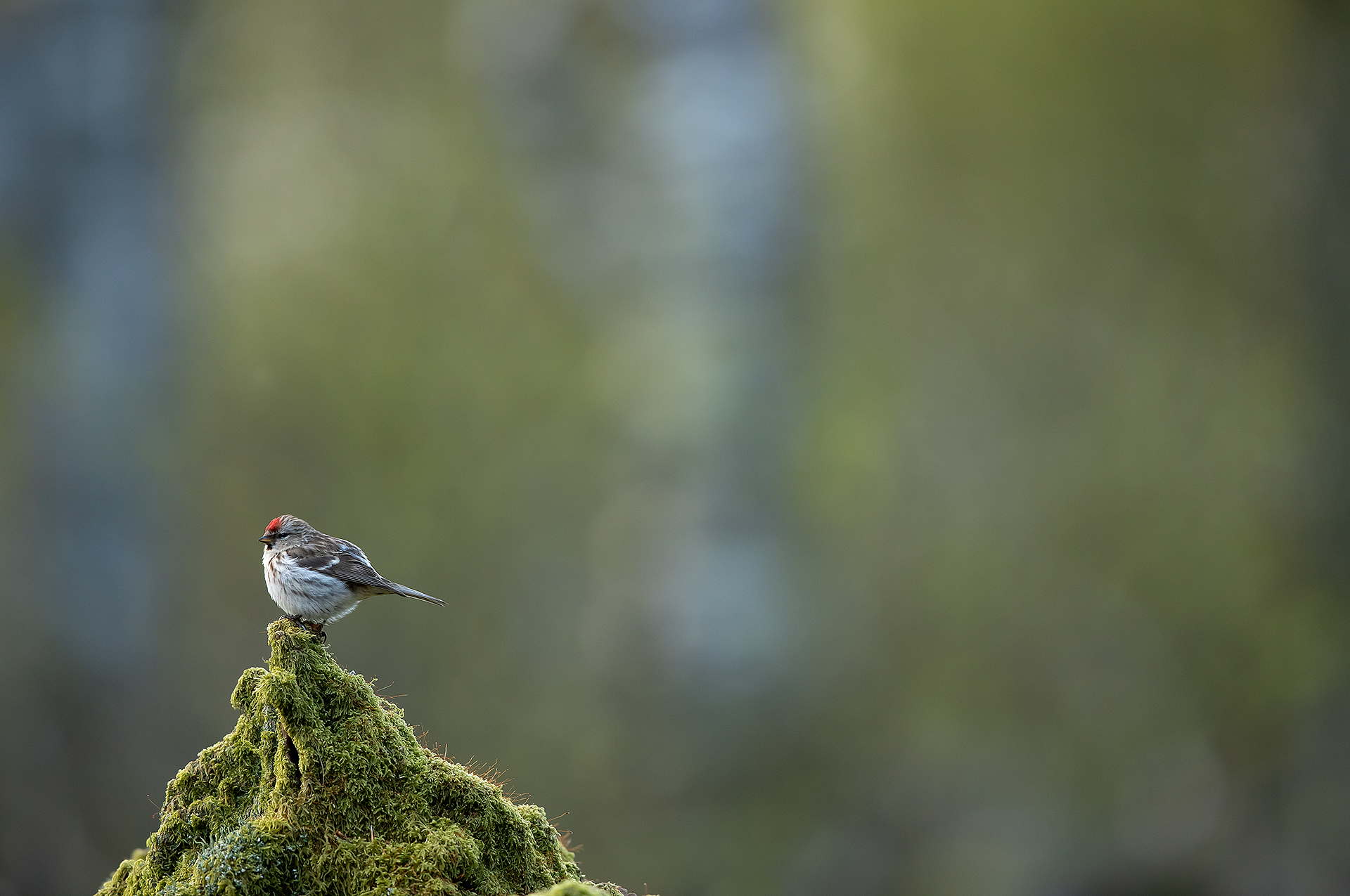
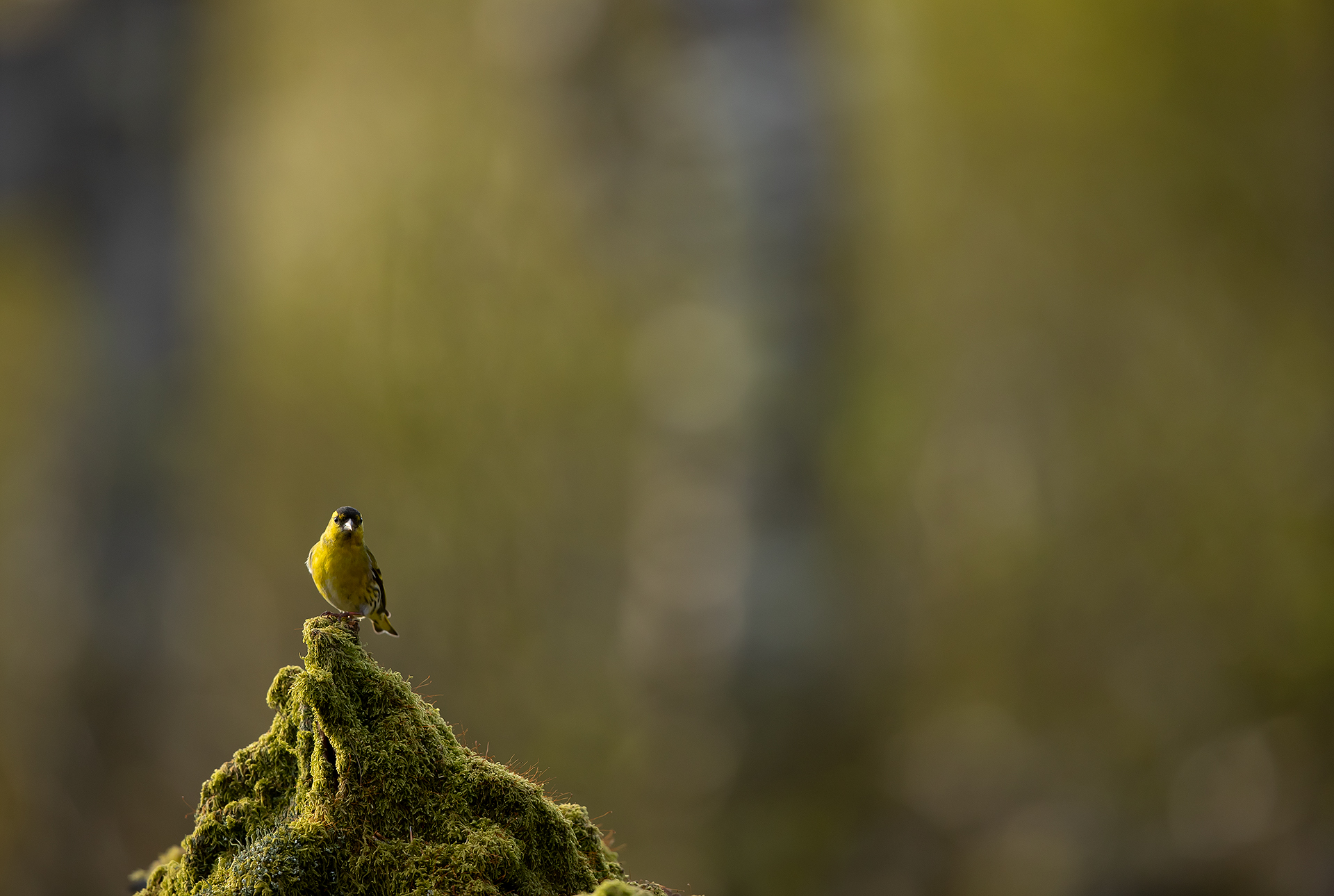
I spent a few days working from this woodland hide and so started to try different techniques photographing the small woodland birds. I really like the challenge in trying to get images of small birds, but it is difficult to get something different. I learnt a bit from working with the Goldfinches this winter where I was playing around with light and backgrounds, and this is what I was trying to do with the Siskins and Redpolls. I used to strive for clean backgrounds and still do in some circumstances, but change can be a good thing. I really liked the light and the slightly out of focus Silver Birch tree which I think really added to overall images.
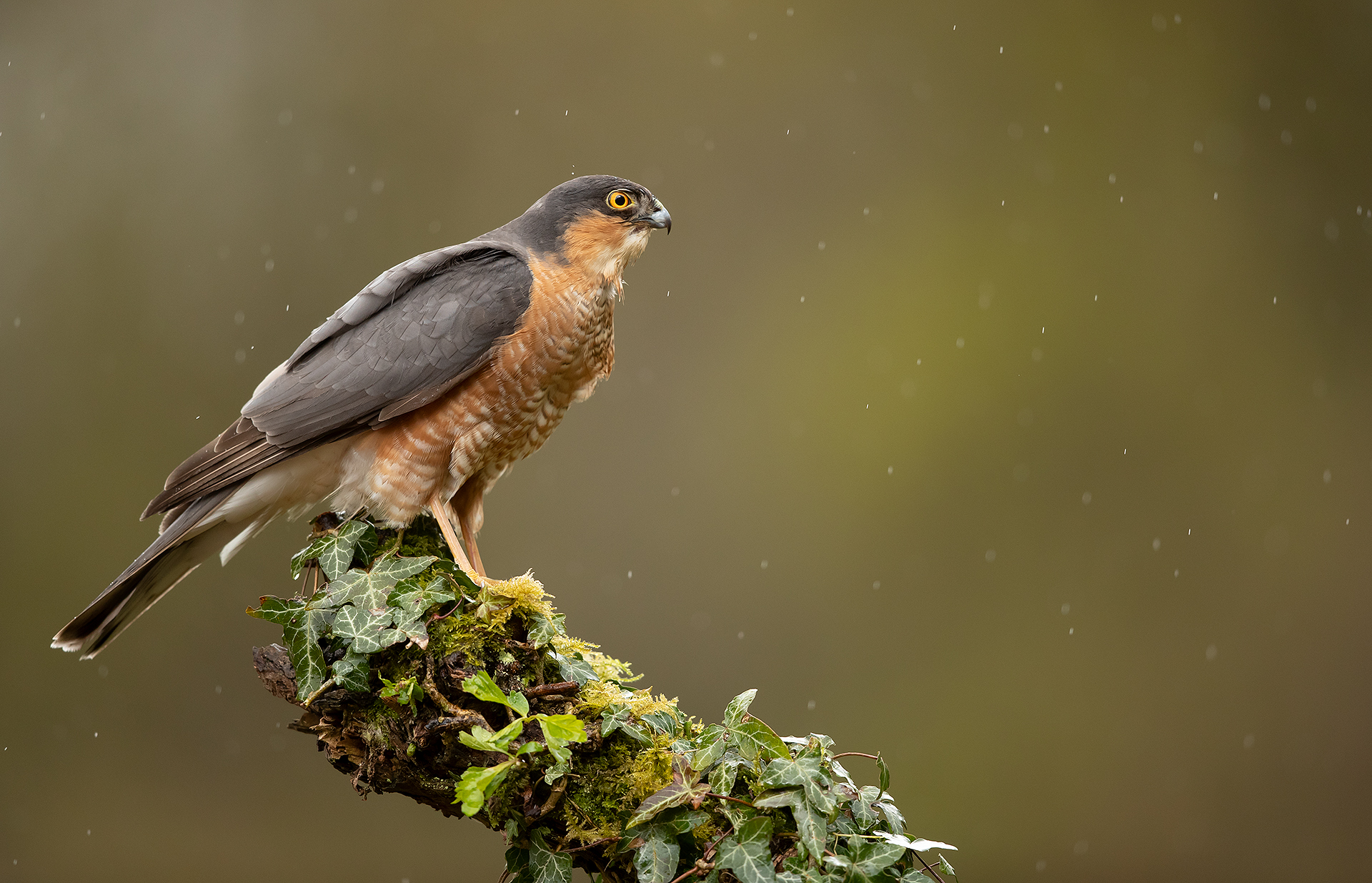
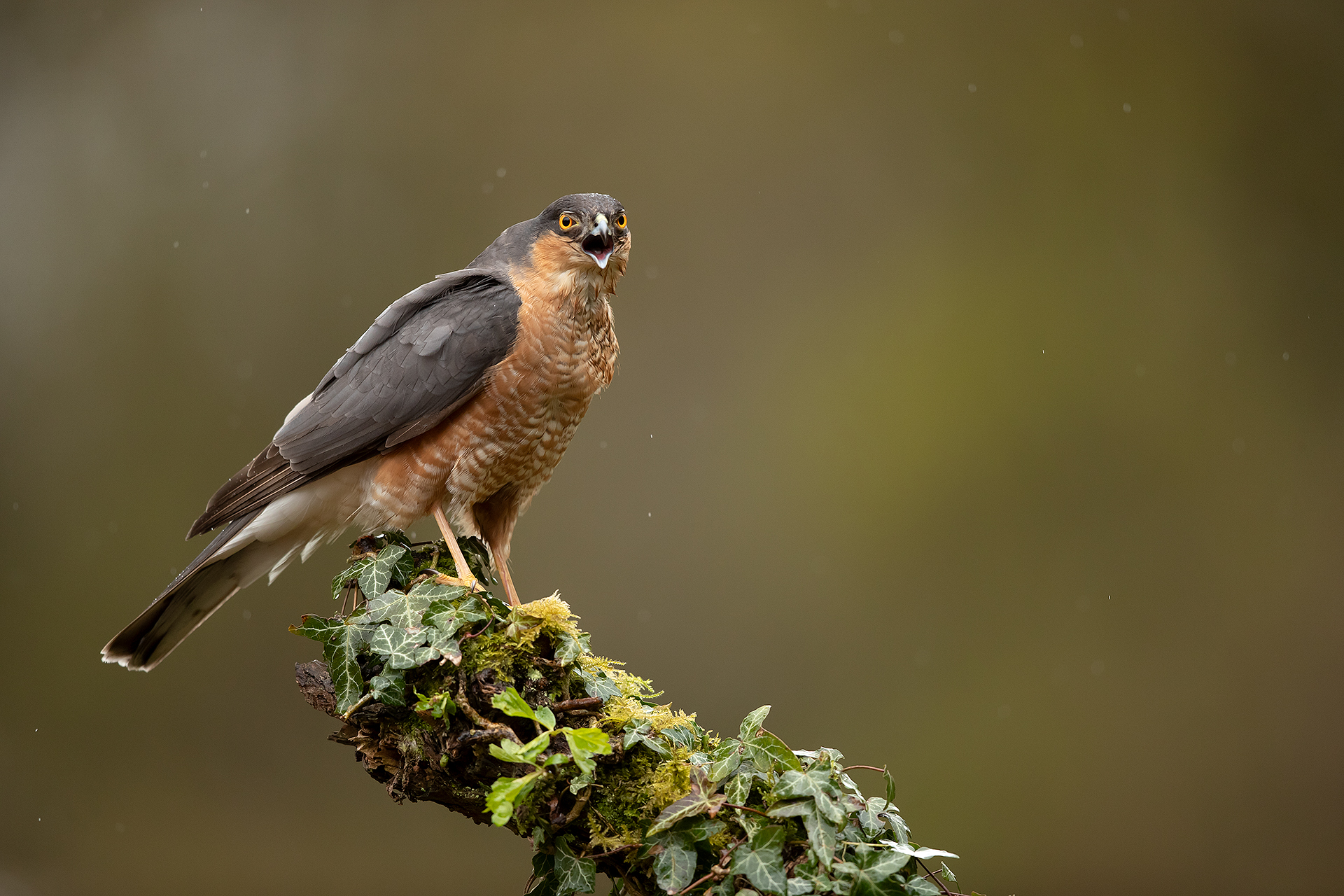
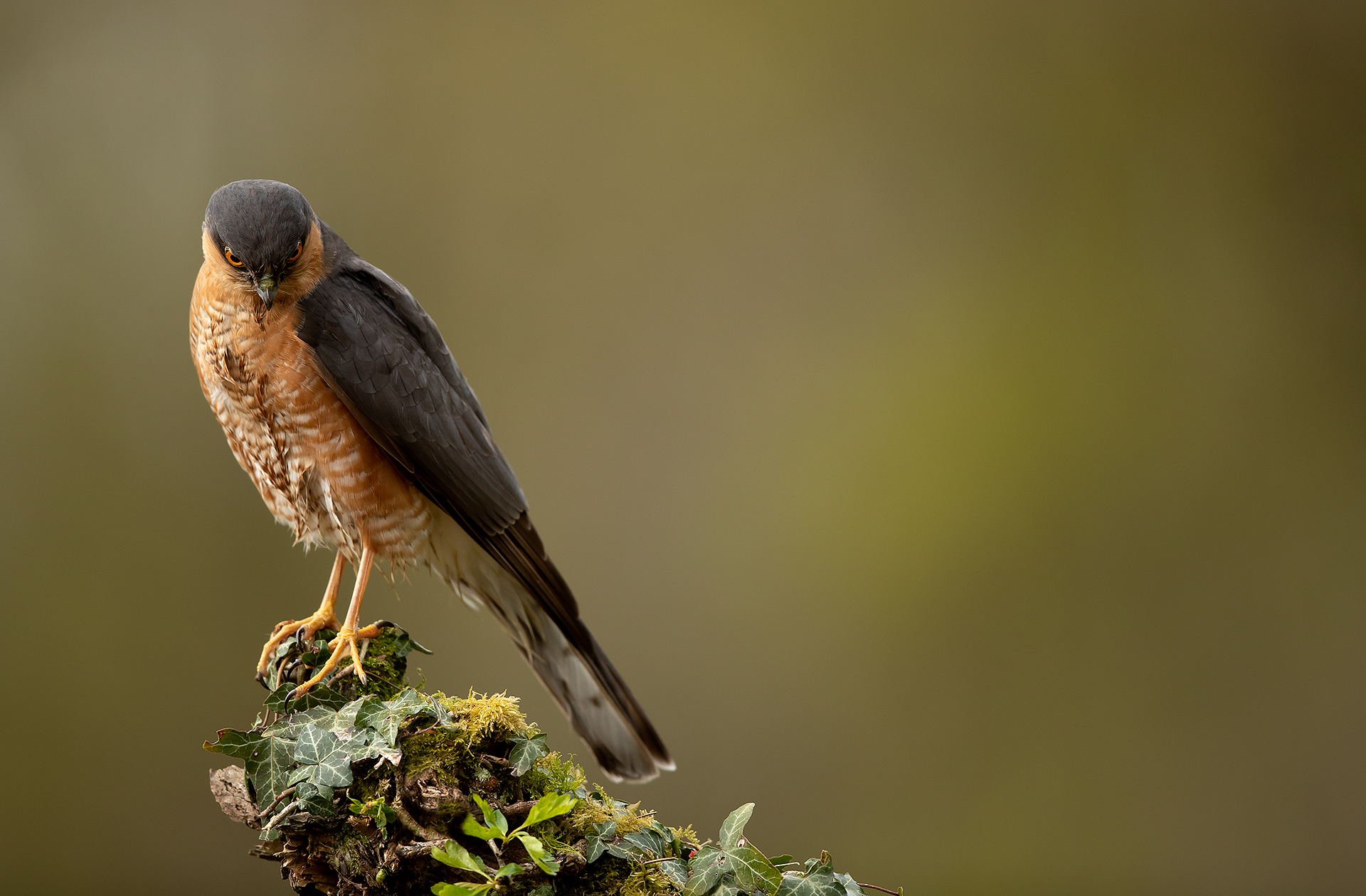
I first visited Alan’s site 12 years ago and that was to photograph a Sparrowhawk that was visiting the feeding station hunting the small birds and it seemed strange that one had not dropped by, as ever since then this dashing little raptor has been a regular visitor. I was not left disappointed though as late in the evening this beautiful male paid a visit and what a bird he was.
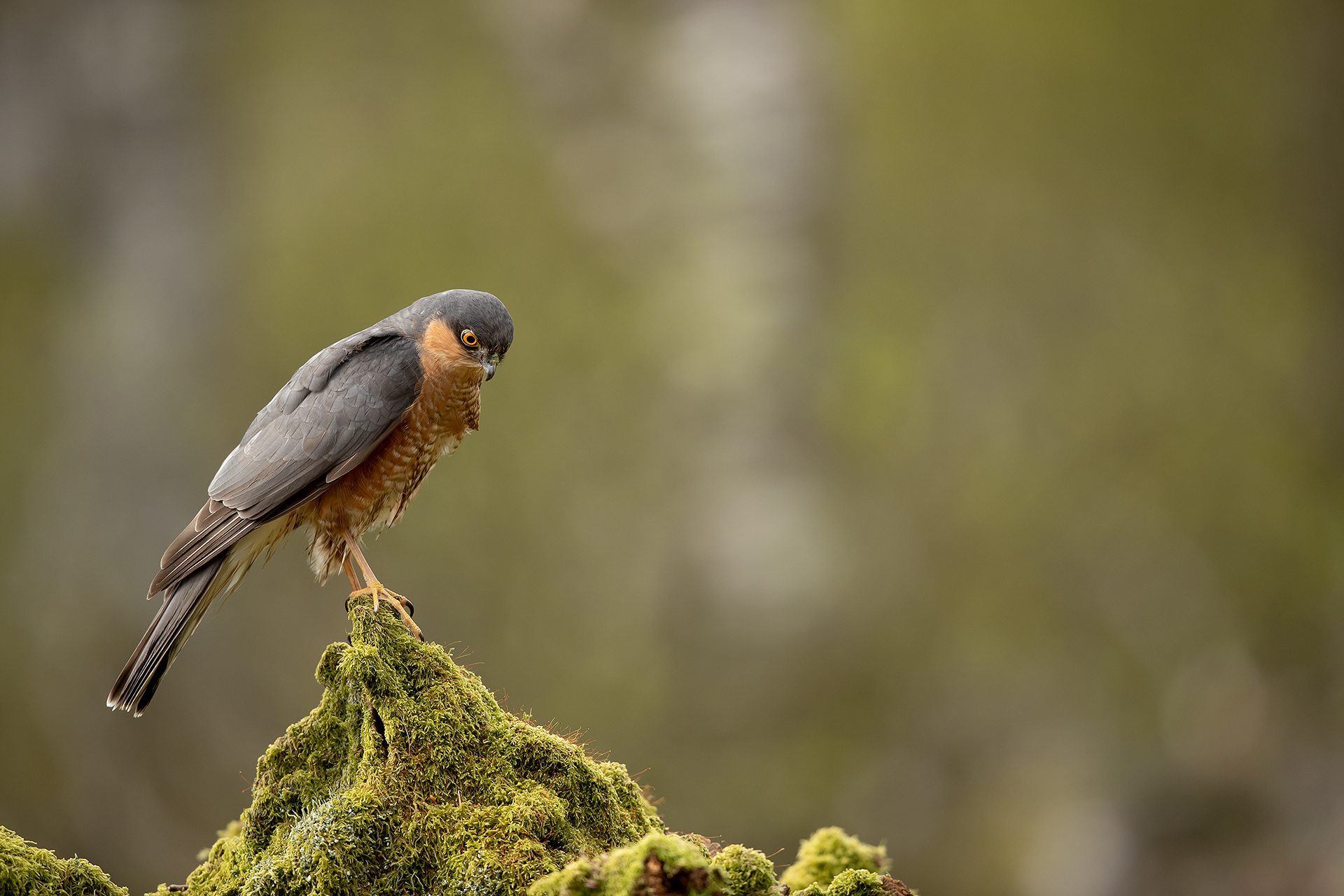
It is an amazing experience seeing a Sparrowhawk at close quarters and it had been a few years since I have. This male was beautiful and put on a good show. Spending these few days in Alan’s hides was just the tonic after all the lockdowns and uncertainly which has surrounded the pandemic and it was just ace to get out with the camera again and the images, I achieved in this short visit was a real bonus.
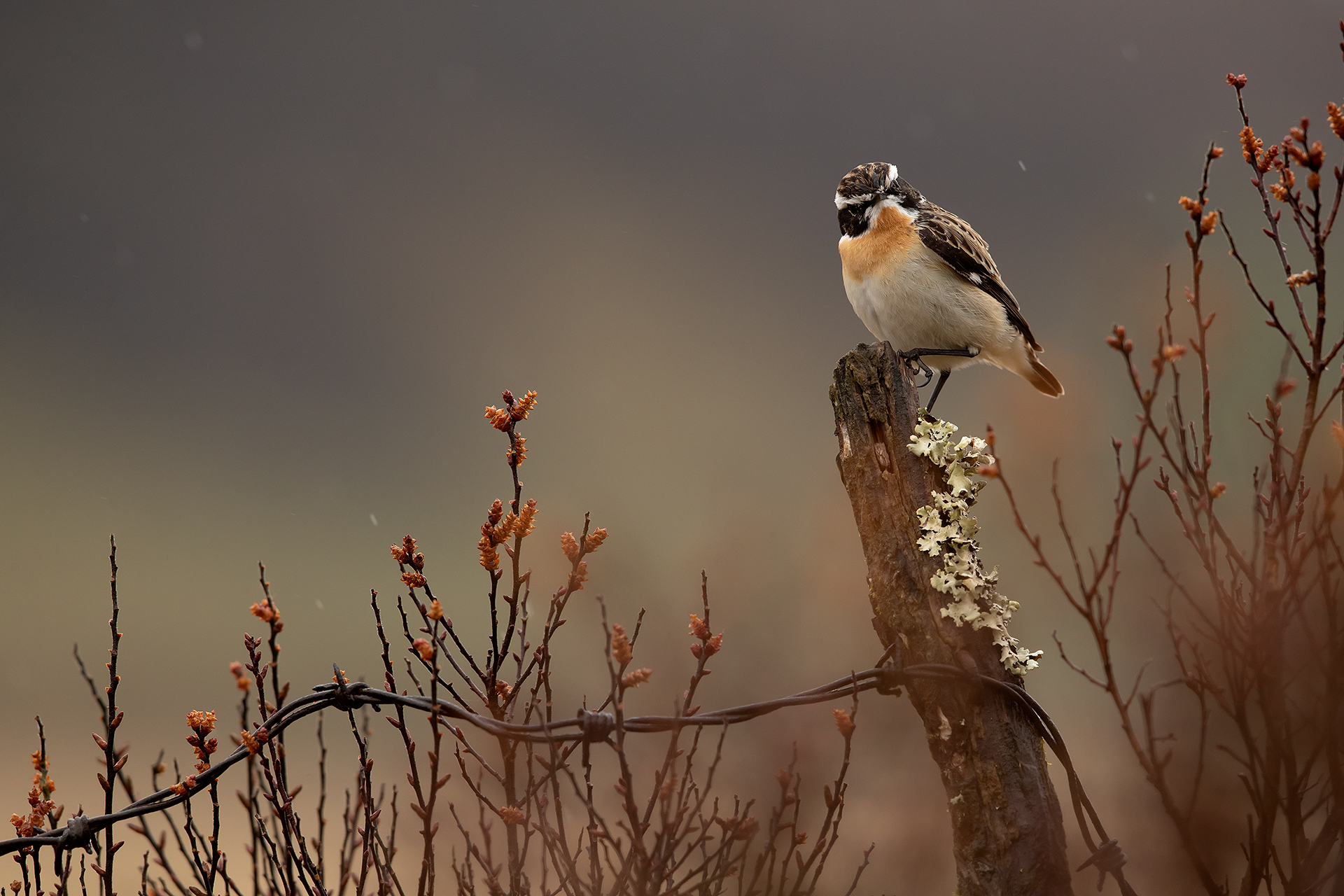
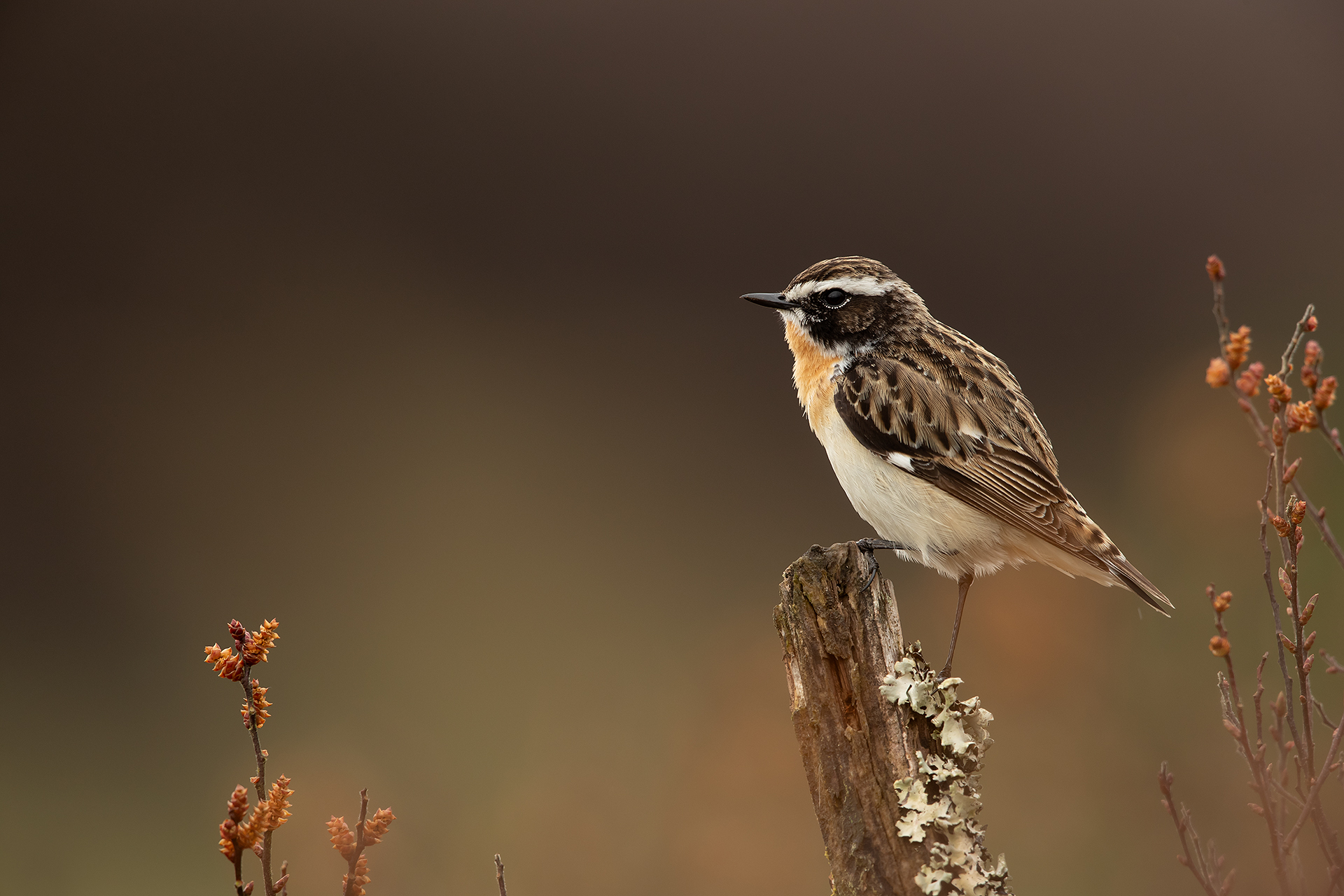
It was not long though before I returned as I had some unfinished business with the Whinchats. It is hard to explain why but this beautiful little upland bird is one of my favourite subjects. I have seen many over the years but my images of them were poor really and I have been meaning to rectify this for a few years now, this year was my chance because I will be restricted to the UK for most of it. On my second visit things had warmed up a bit and the Whinchats were now full on into their short breeding season. They had built a nest in a deep heather bank and the female was sitting tight incubating the eggs. The male was never far away and would pay many visits to the female to feed her or she would come off the nest to feed herself.
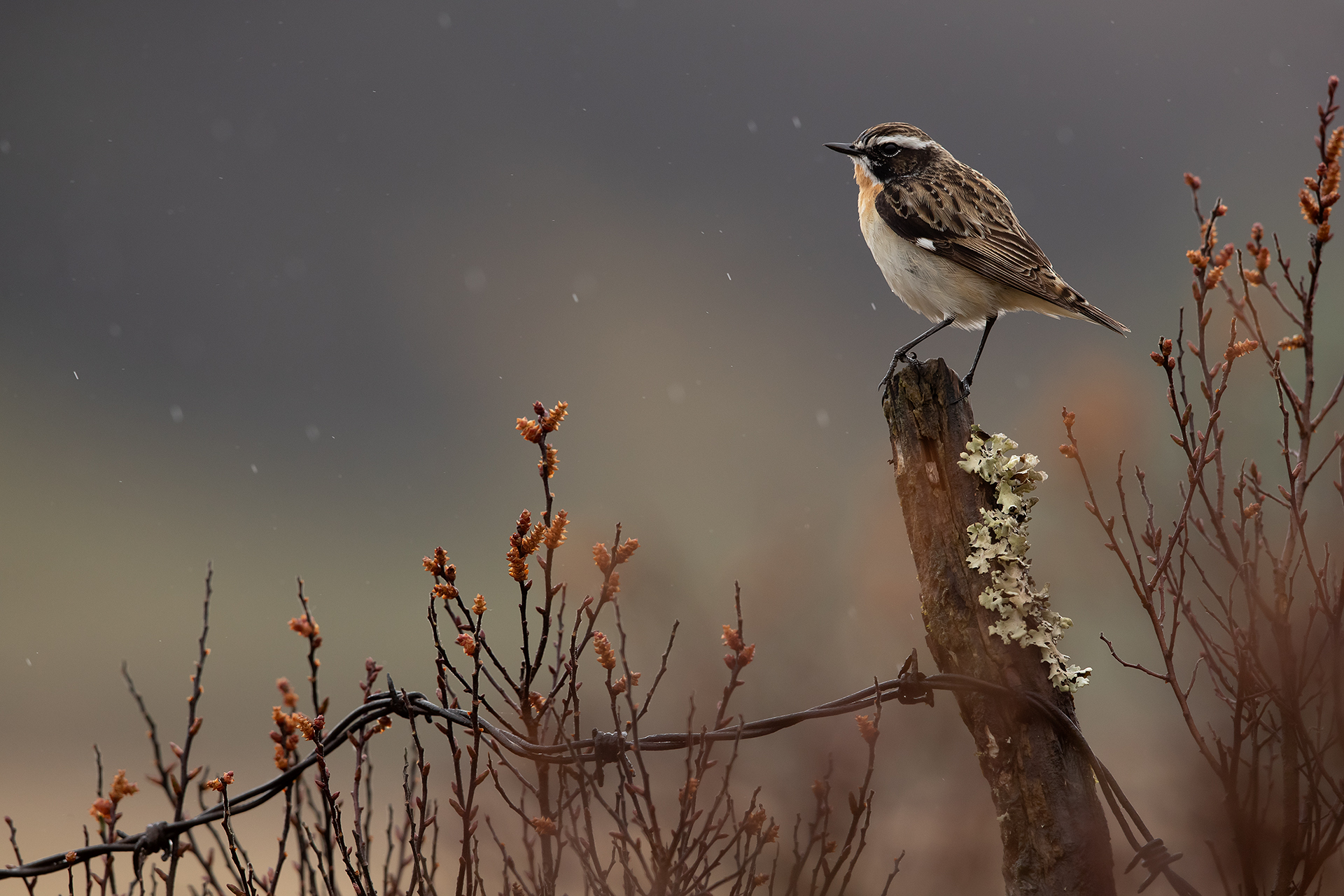
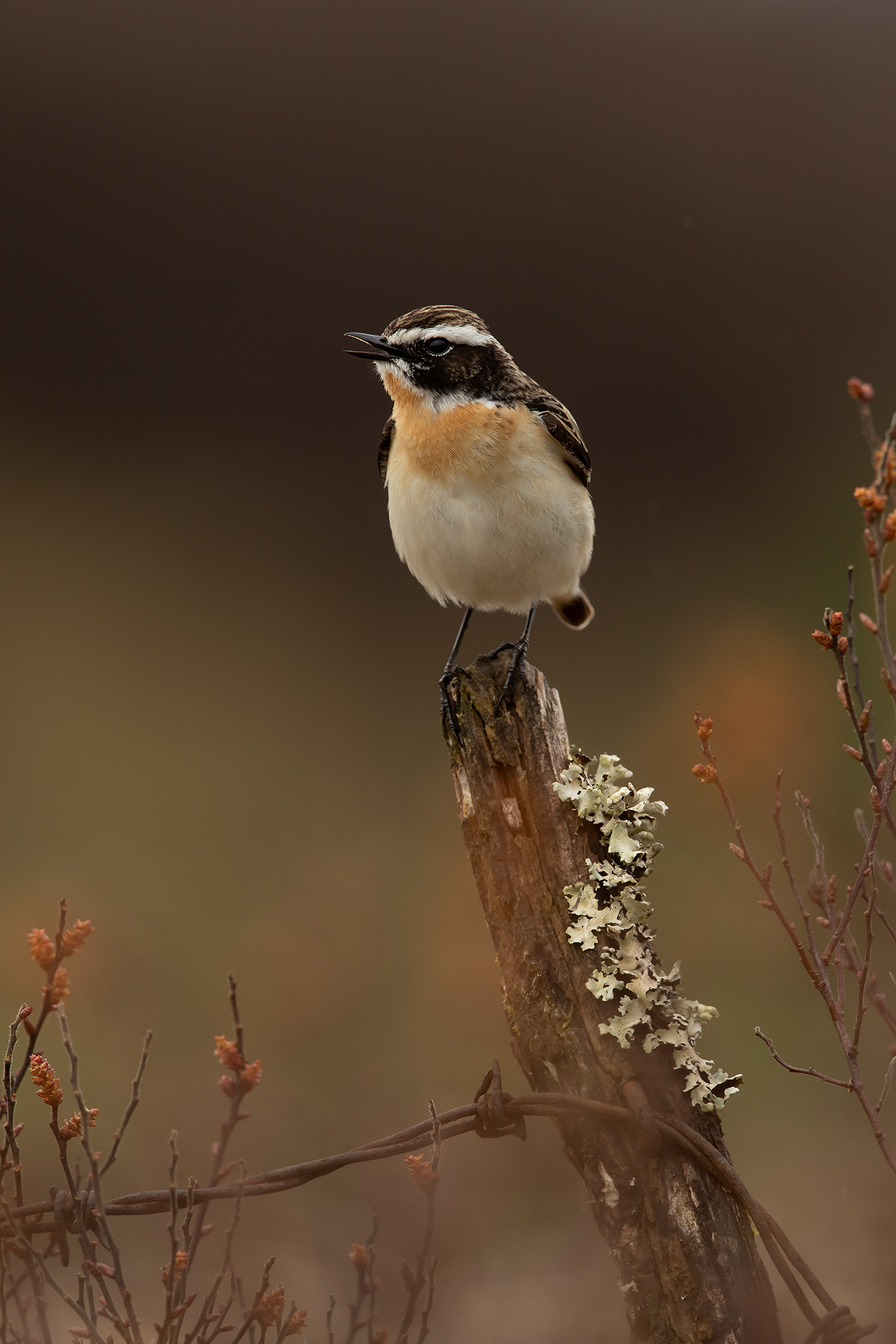
The male was perching on the tall heather watching his territory, defending it and looking out for any signs of danger. I decided to add a new perch for him to use in the hope he would start using that and he took to it within a few days which was great for me to get some nice images of him. I introduced a small canvas hide and he took to that too, so now I was in business.
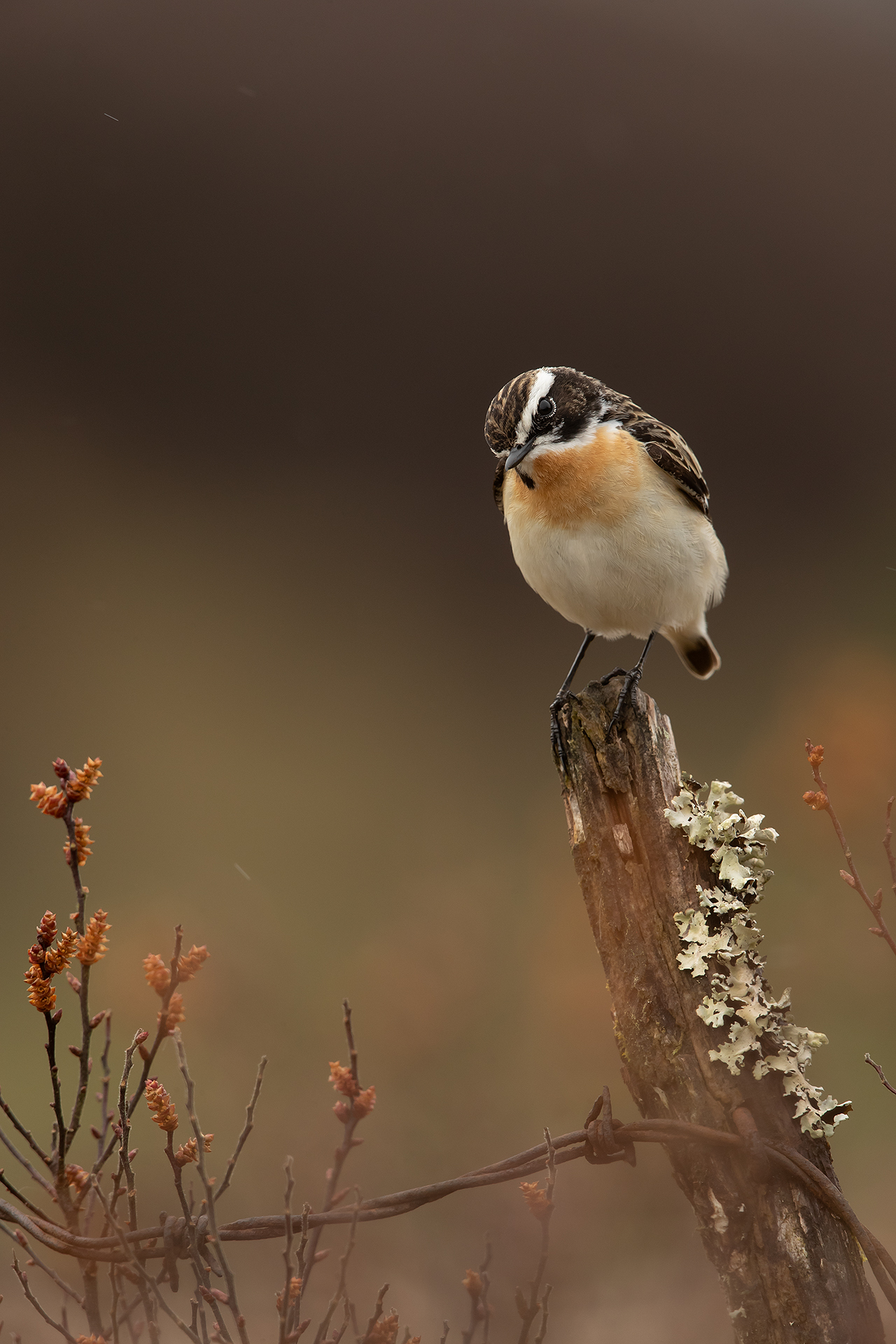
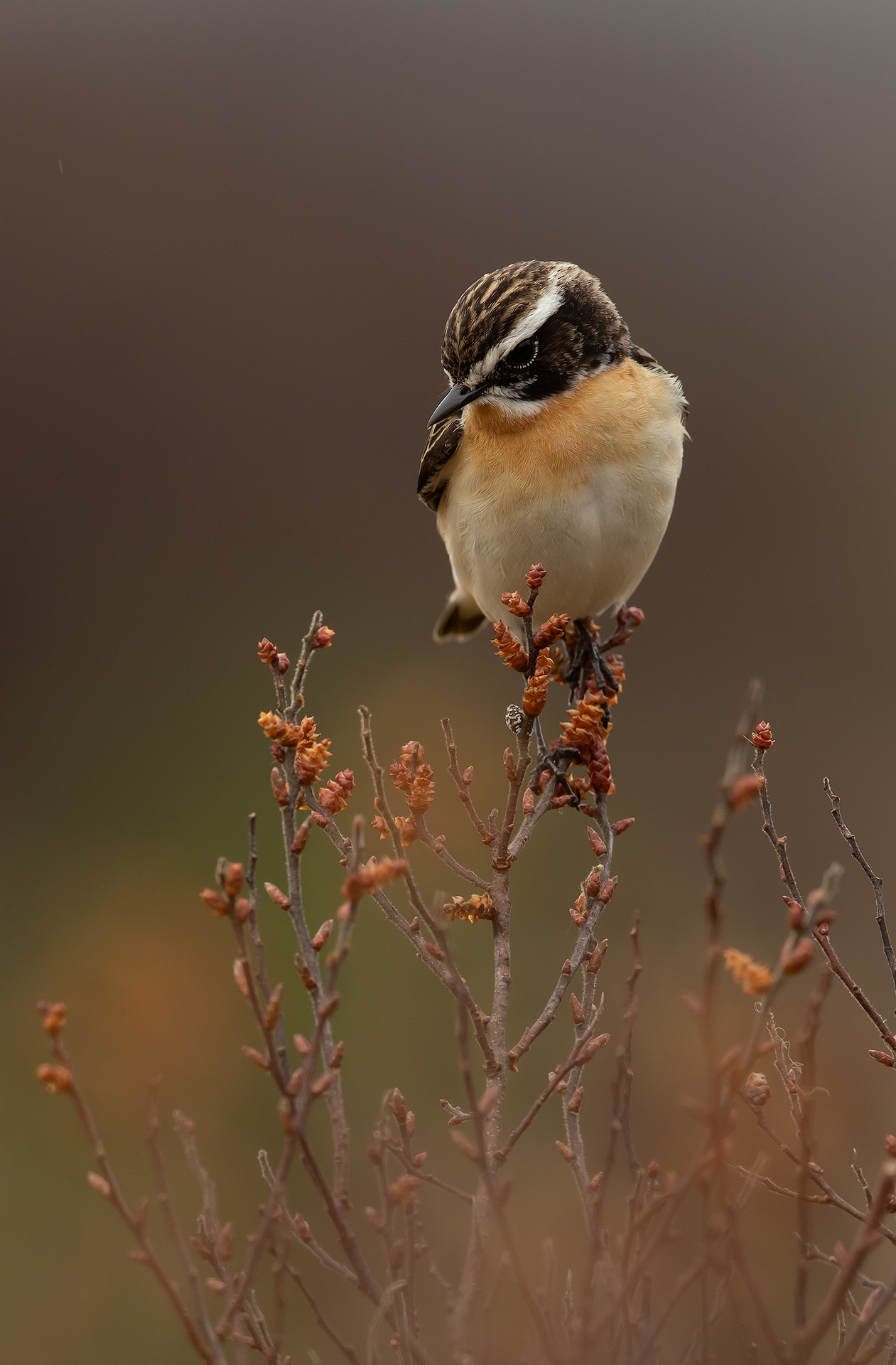
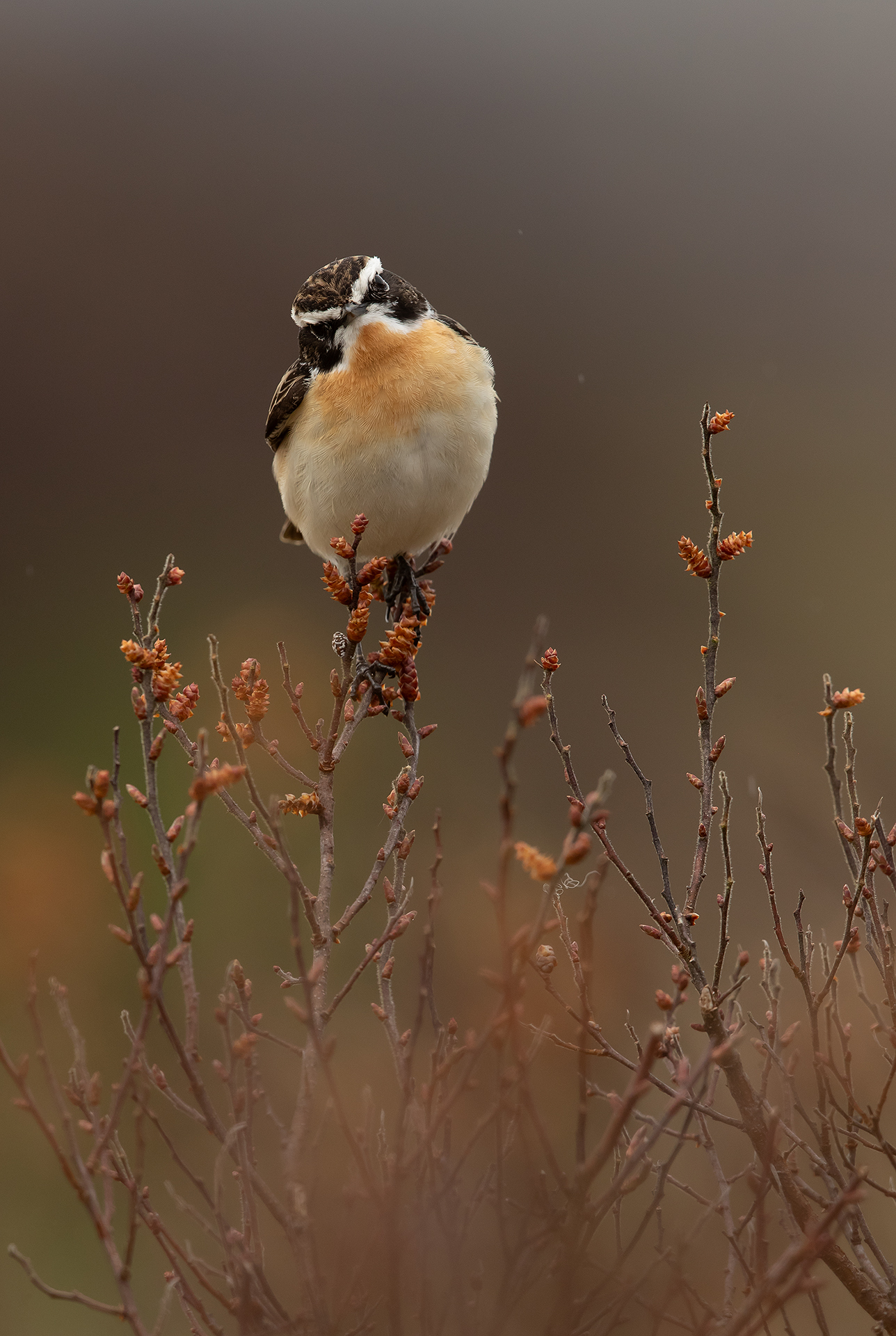
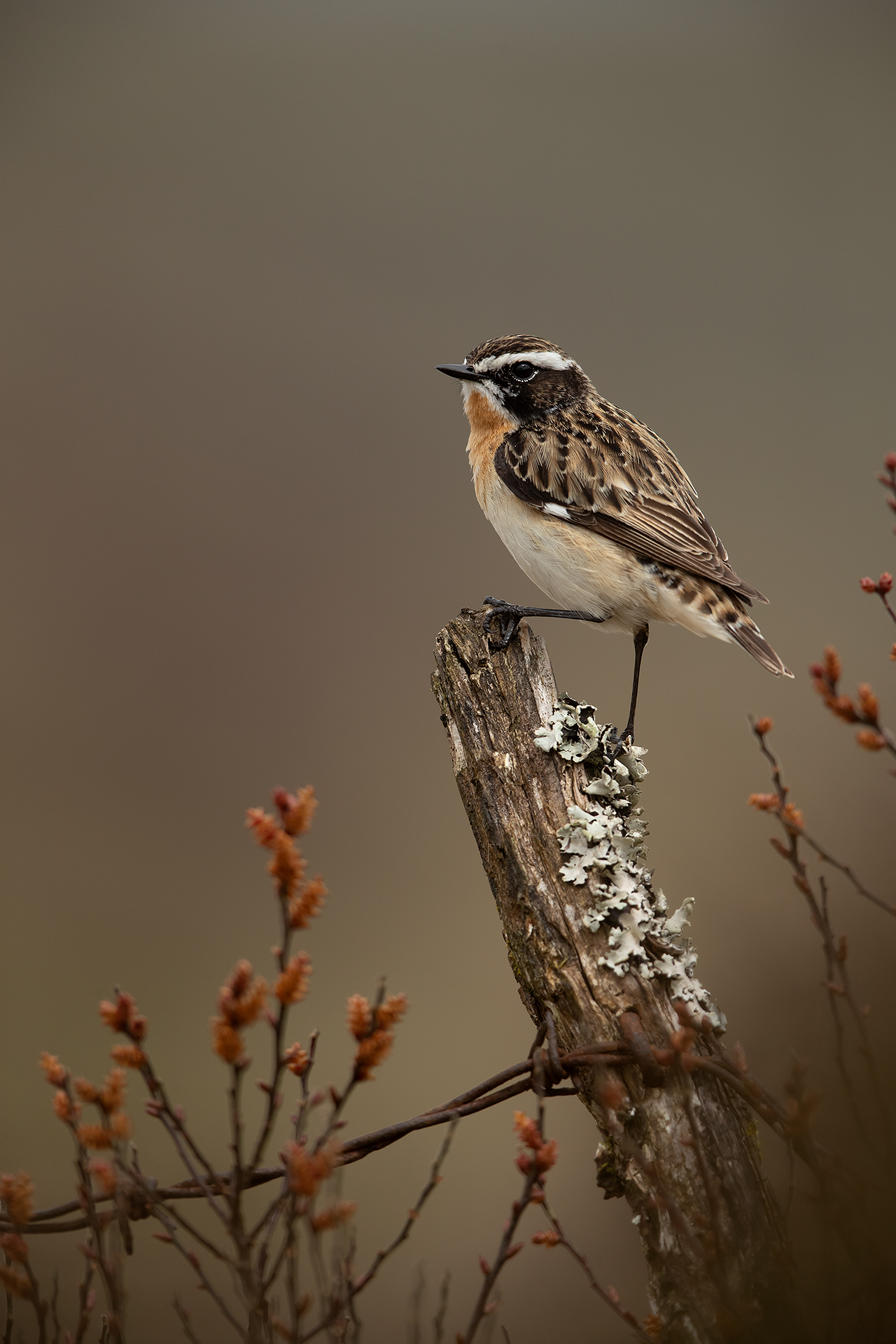
I was so pleased with the images that I was getting after all these years of saying one day I will try for this beautiful little bird. The Whinchat is just one of those special visitors to our shores that kind of goes under the radar. I will not leave it so long next time.
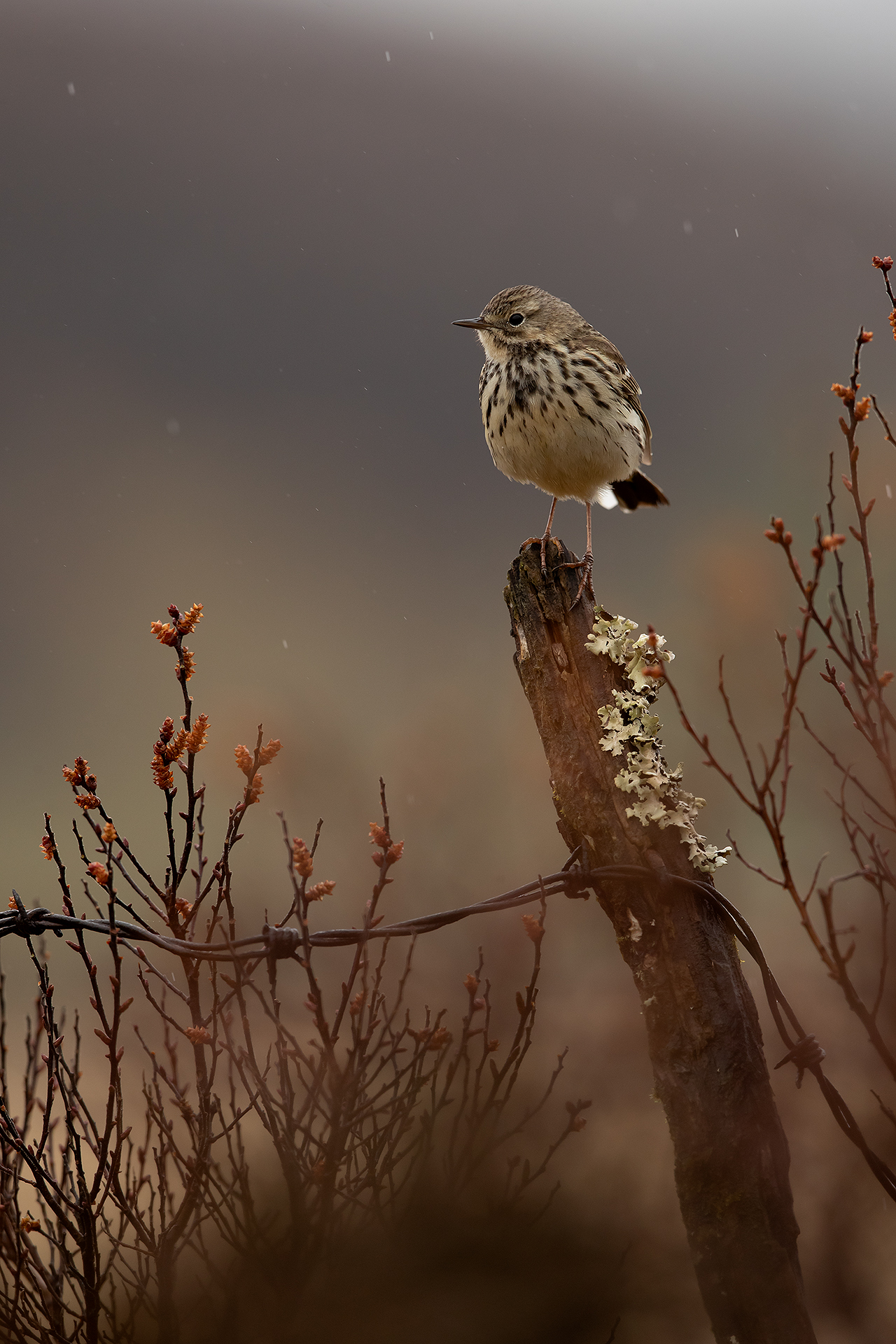
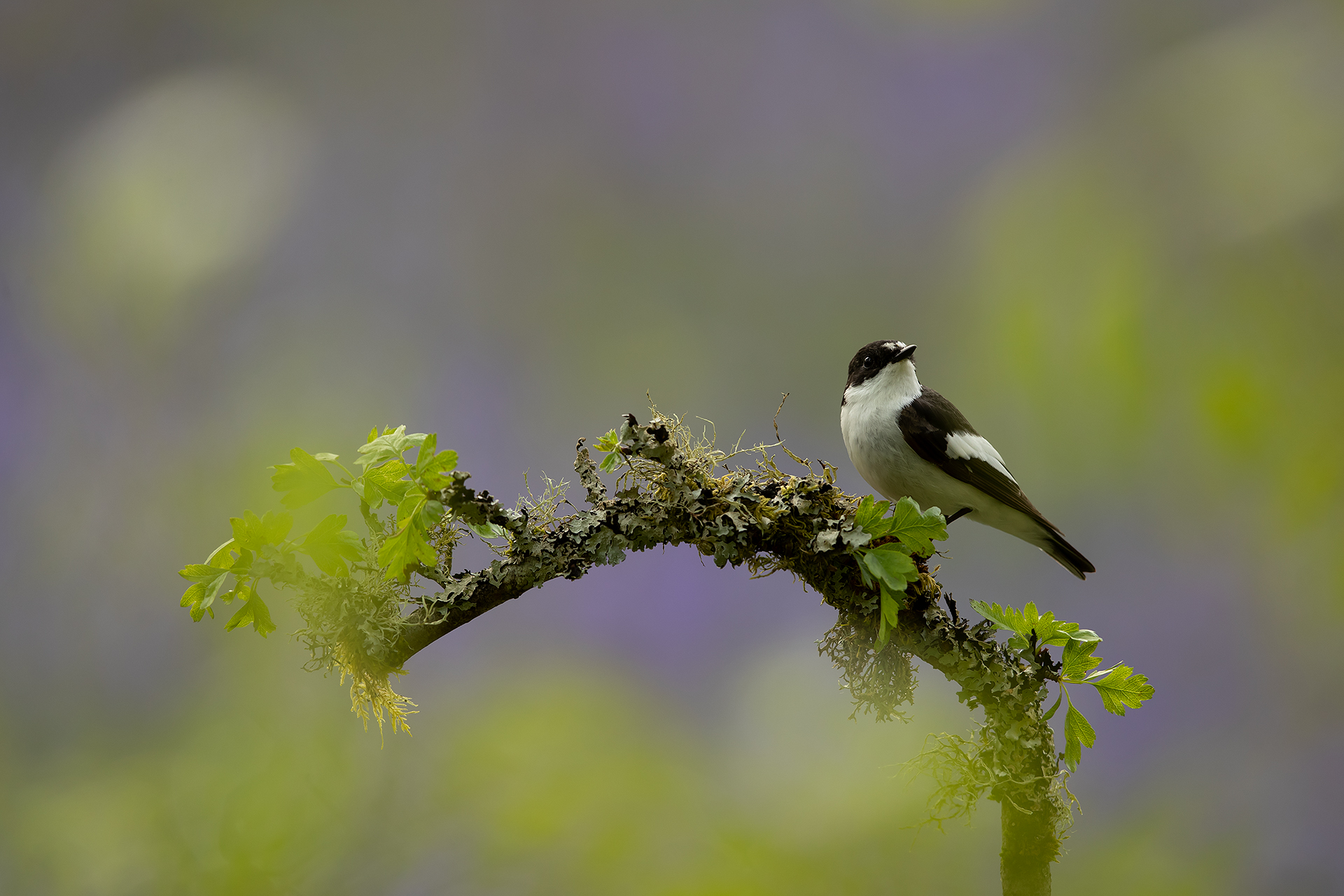
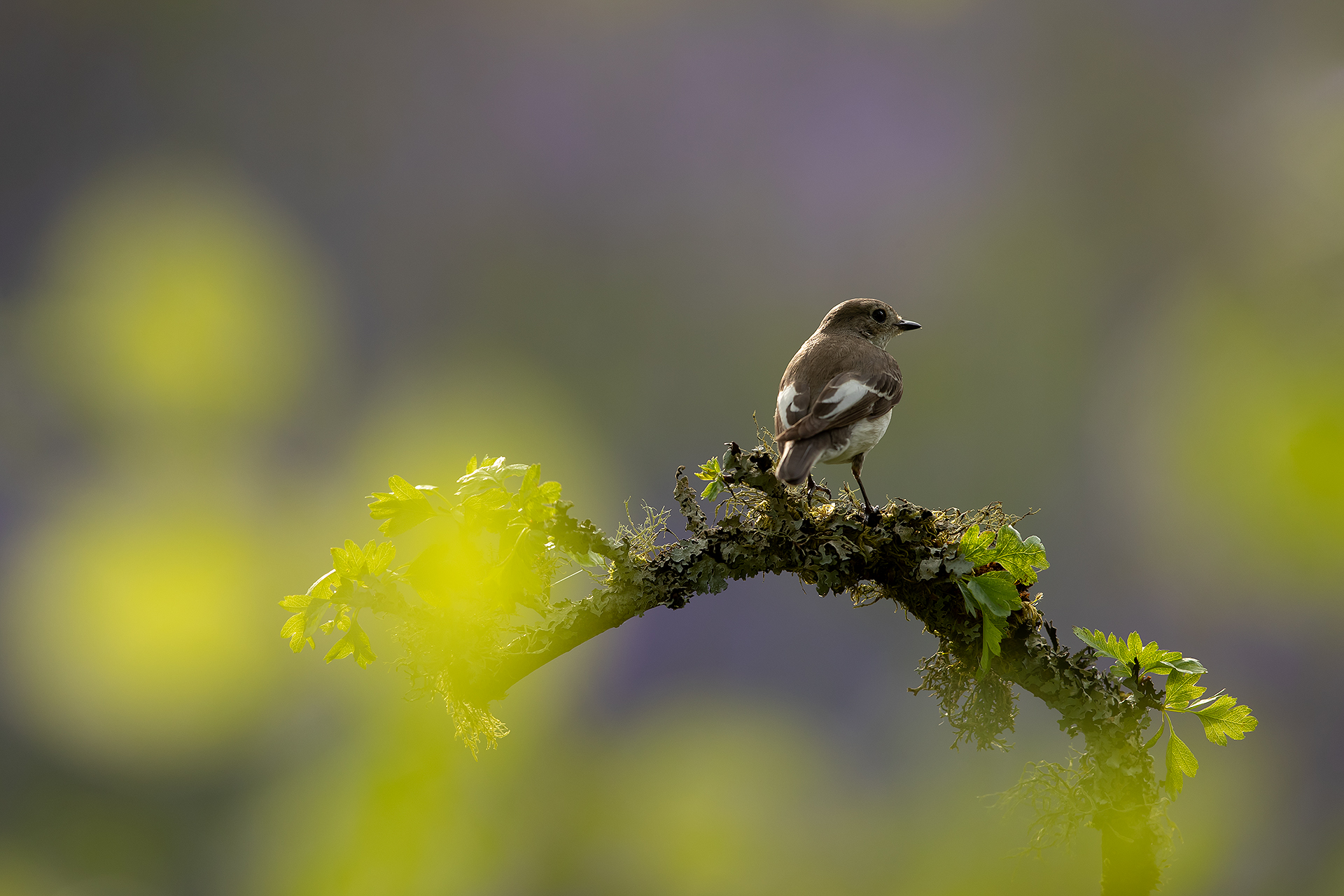
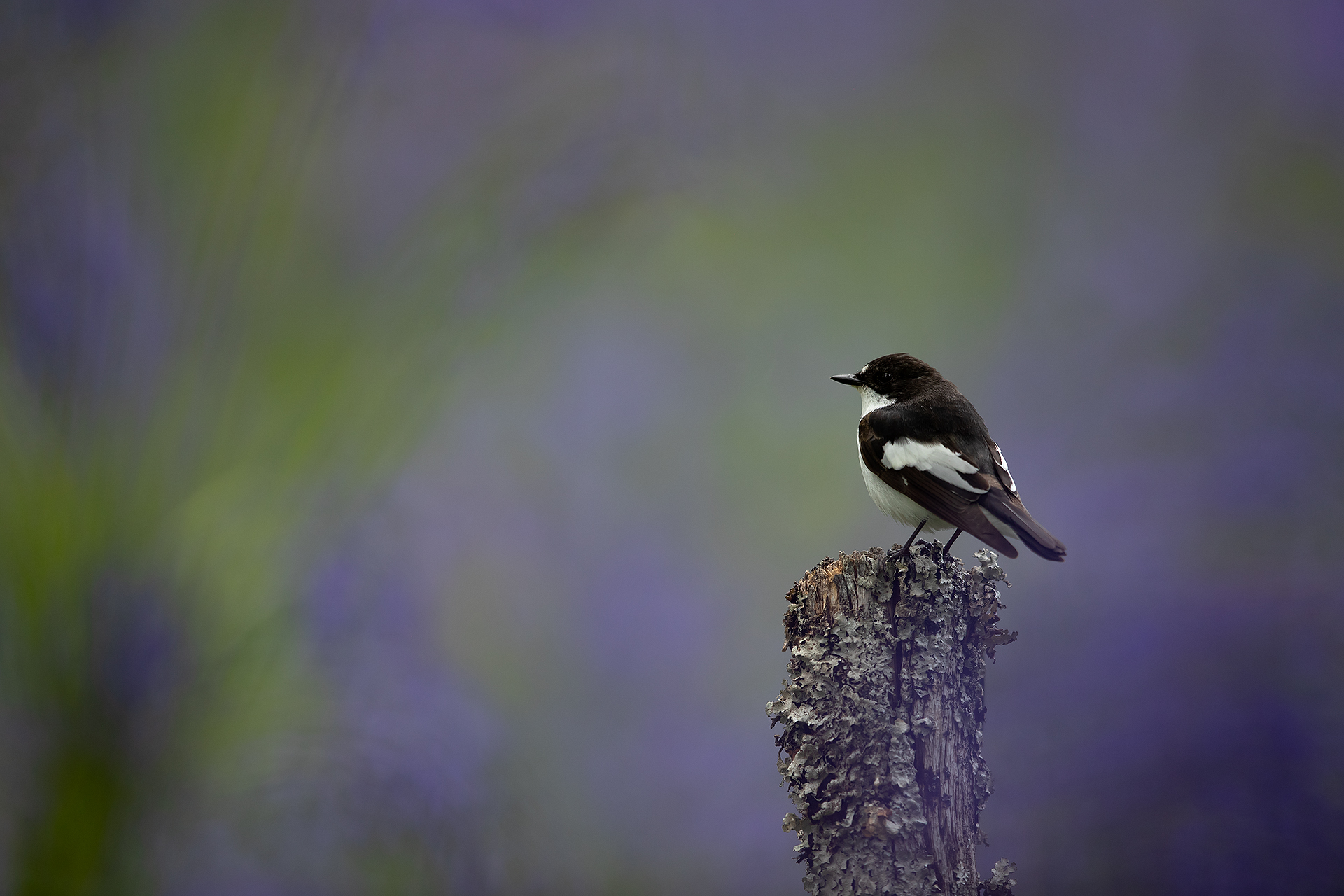
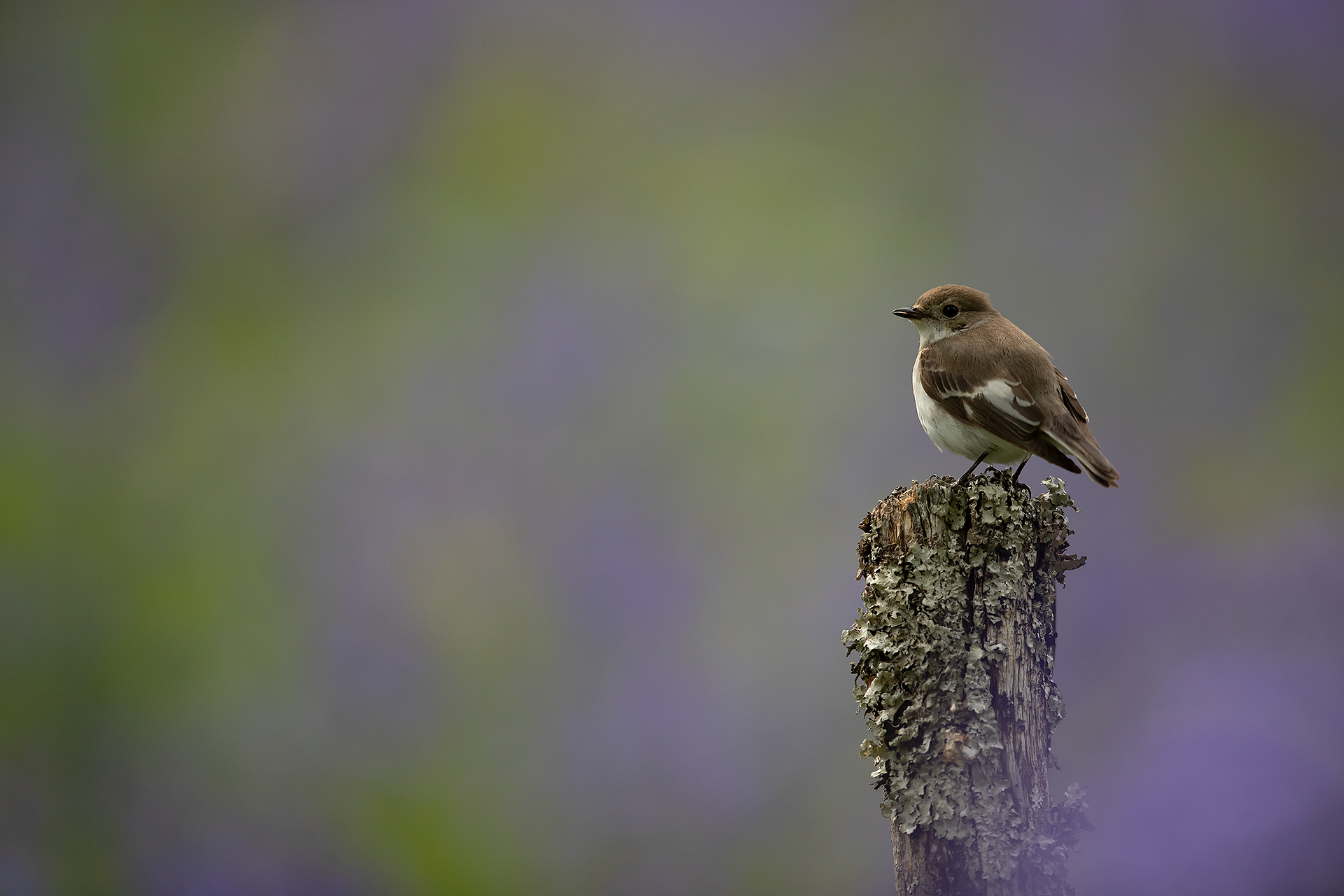
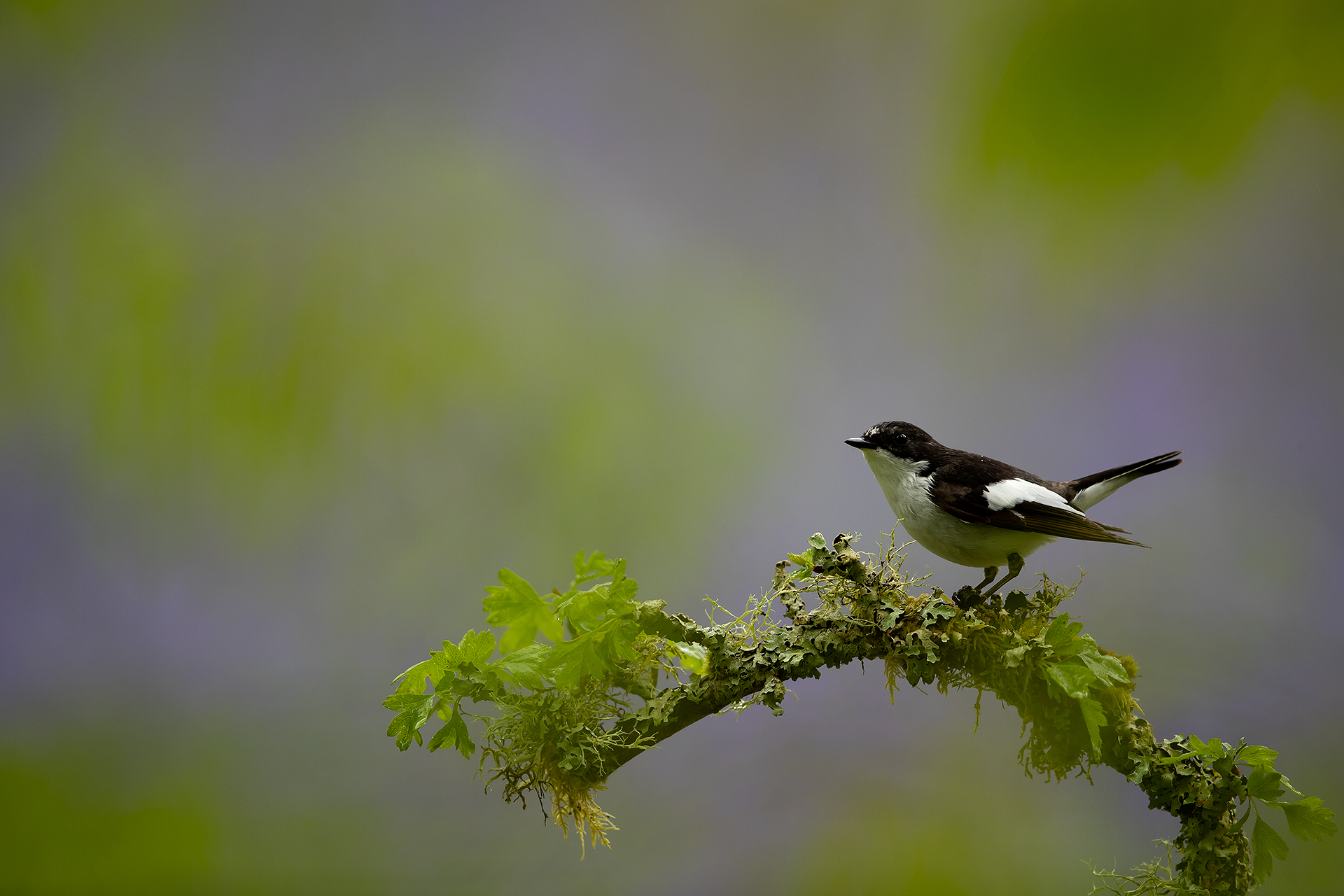
So, I thought I was done in Dumfries for a while, pleased with the images from the woodland hide and everything seemed to work with the Whinchat. Then Alan showed me a spot which he was hoping would be good for Pied Flycatcher and what a spot it was too. Usually, Pied Flycatchers nest in dark woods and so it is difficult to get any decent images of them, fill flash is needed to add some detail to this little black and White bird. Not this site though it was nice and open and with a lovely carpet of bluebells which would make a great background.
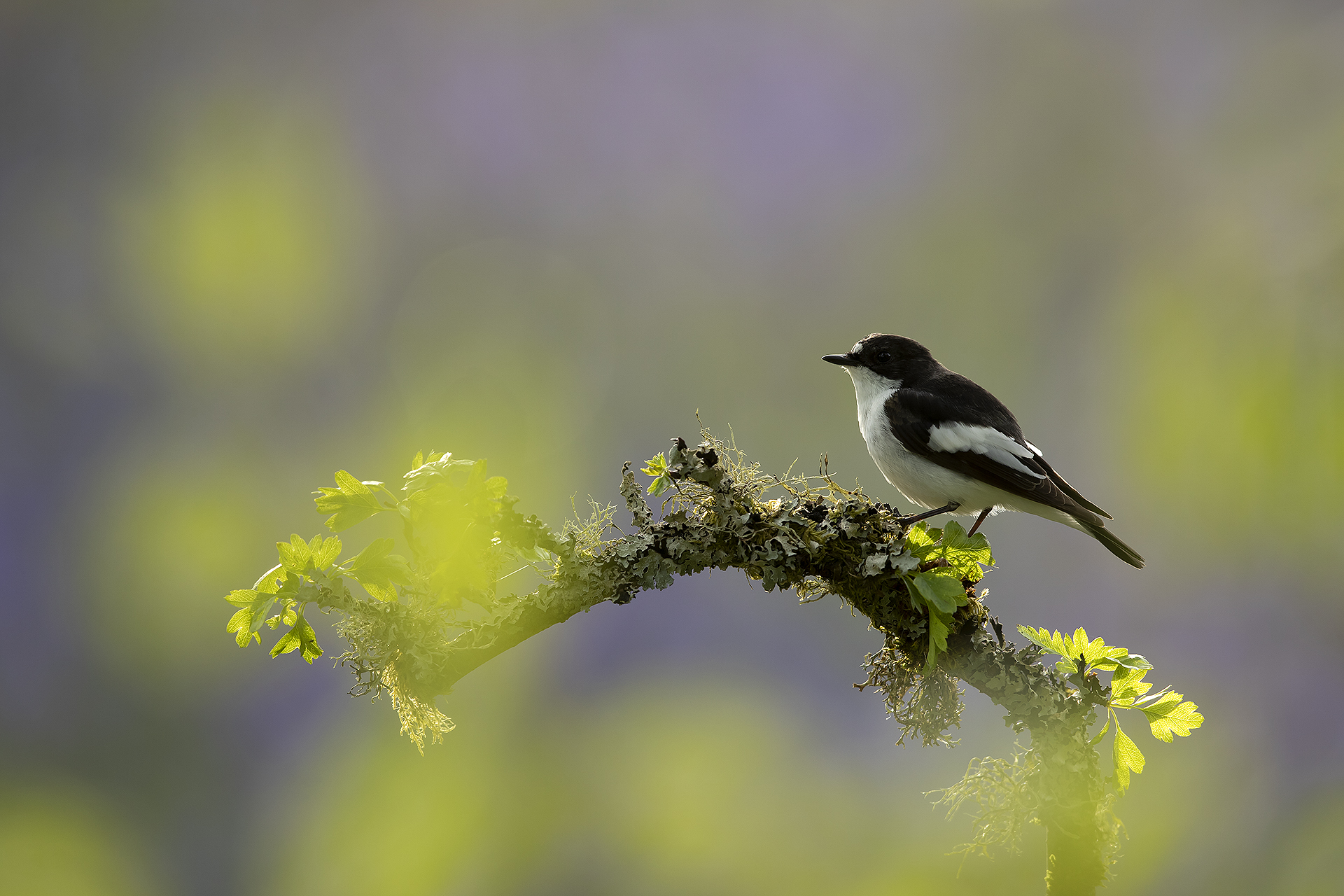
The setting was just gorgeous, it would be hard to find a better setting in the UK. I was impressed with how many pairs were in this wood along with lots of other species too like Redstart and Wood Warbler and I mentioned it to Alan, who then said he has made over 500 nest boxes over the years for various species. I was impressed with this dedication, and I can see why these woods seem to be alive with birdlife, I am guessing not many photographers can boast of the same dedication.
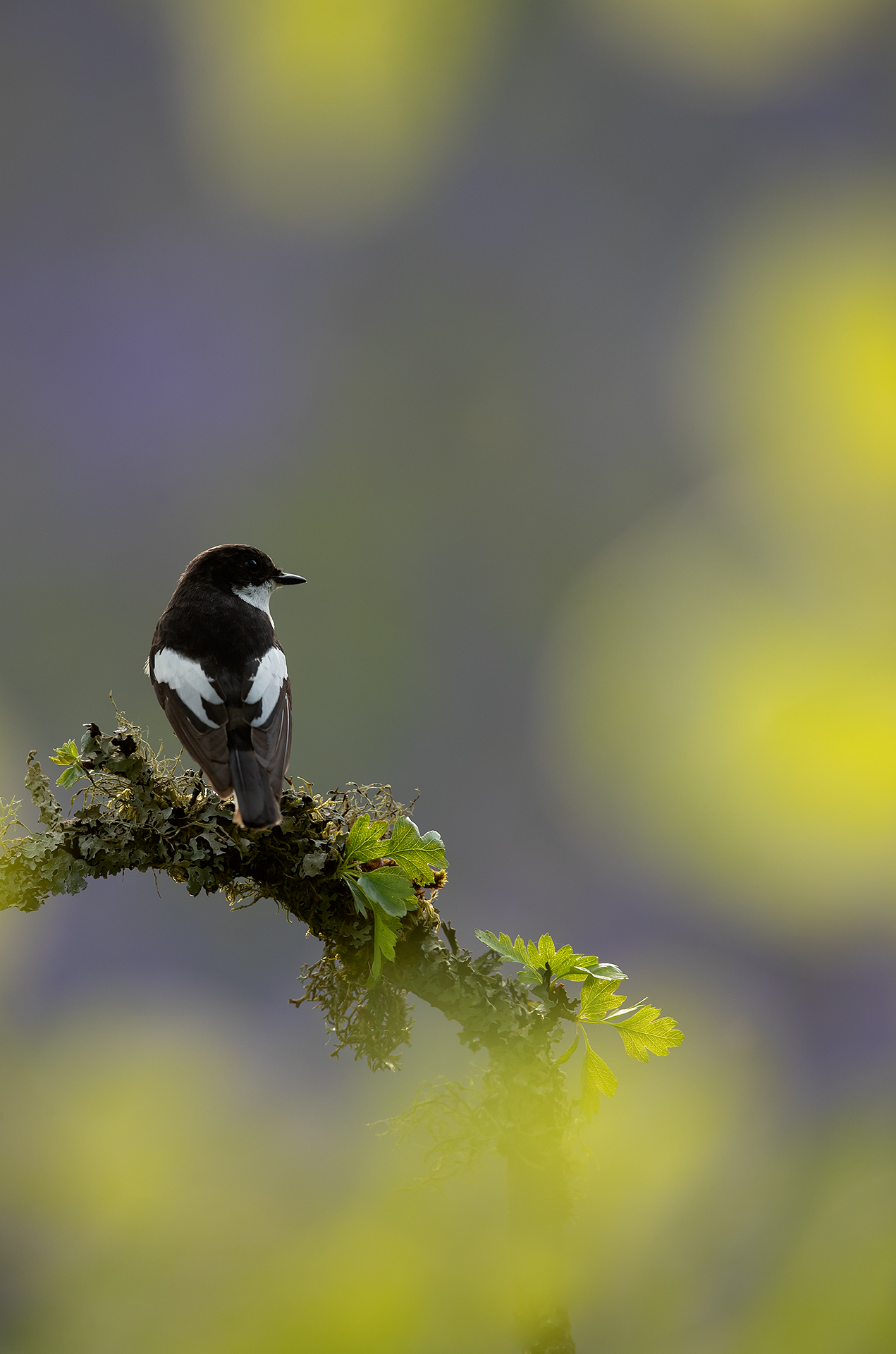
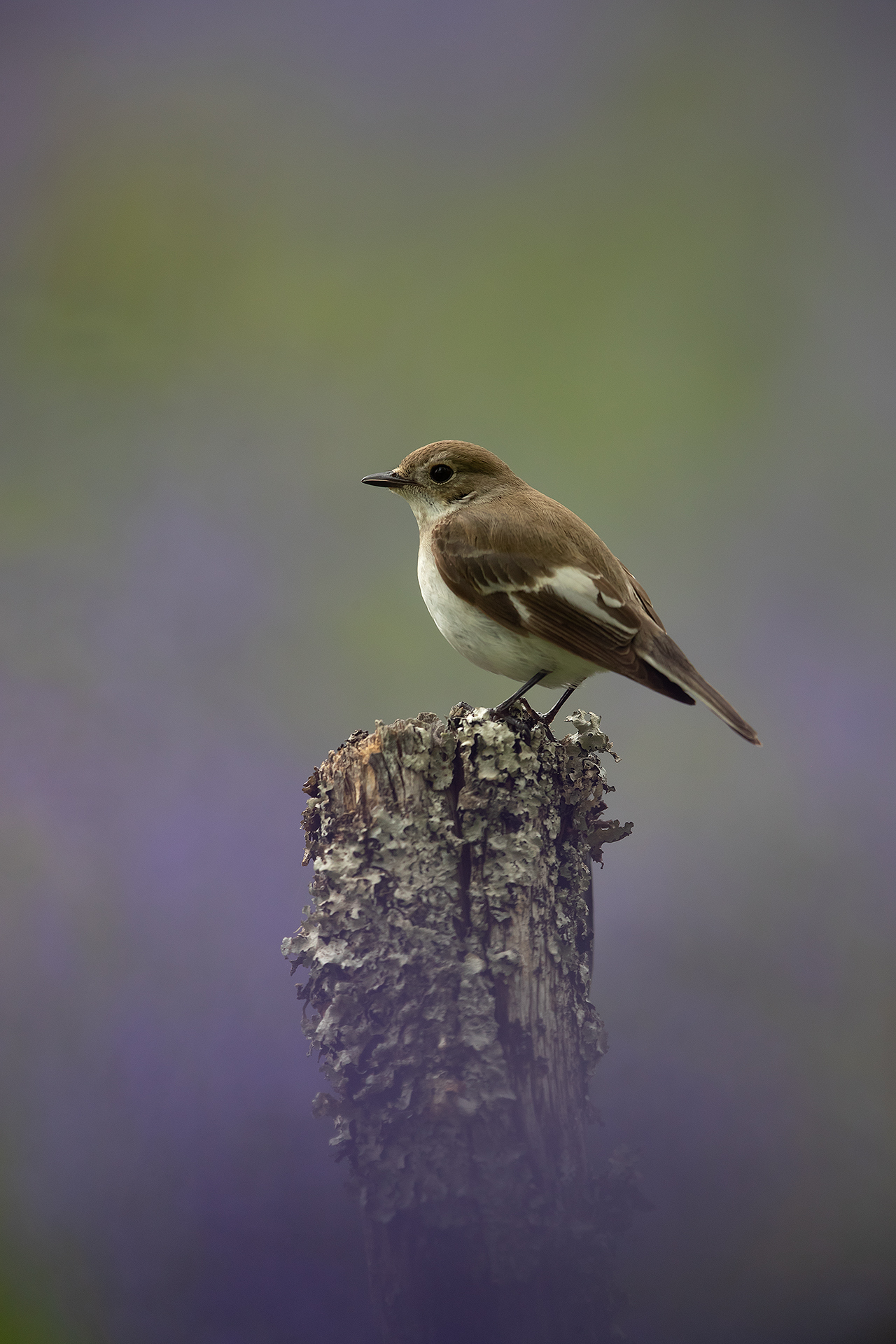
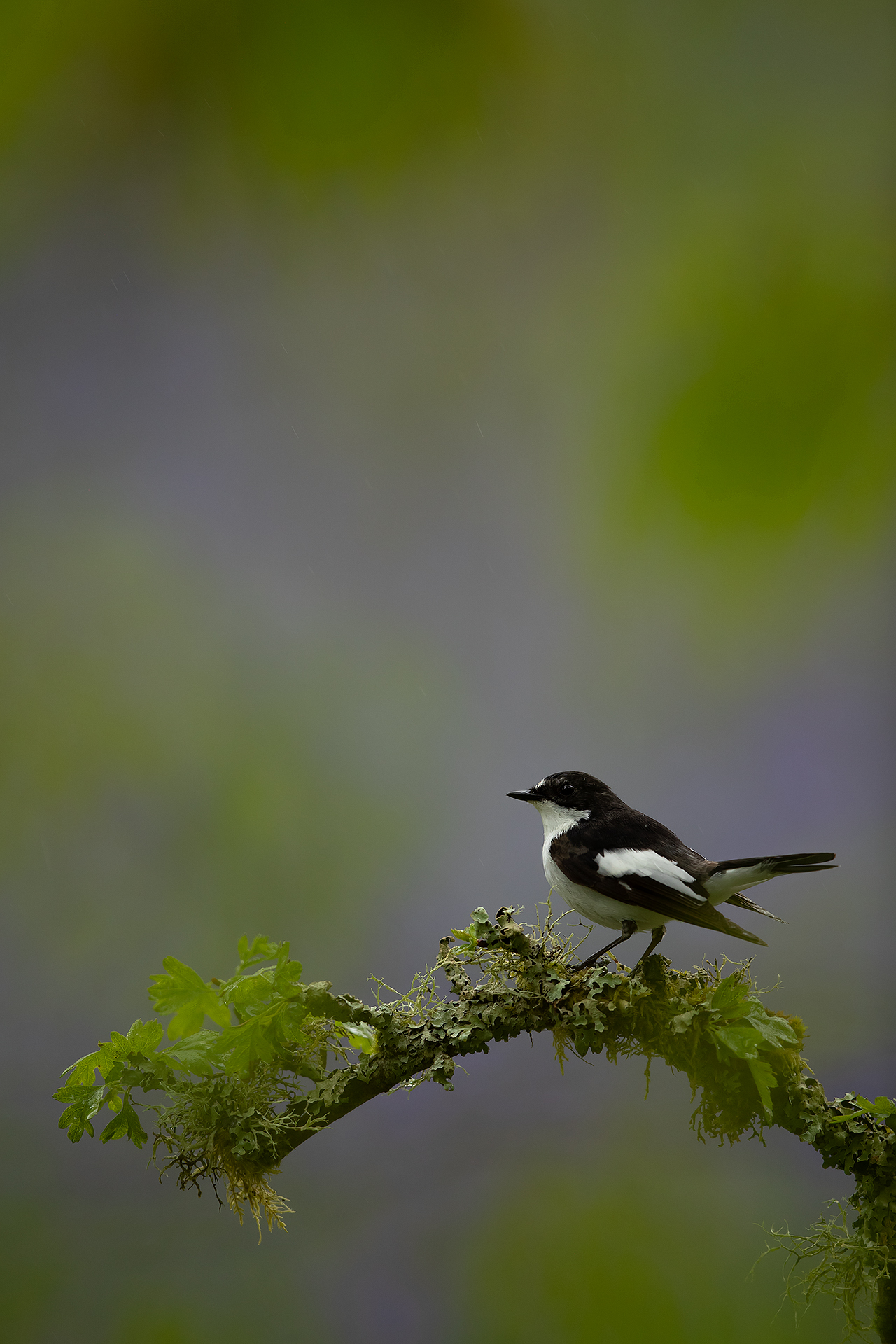
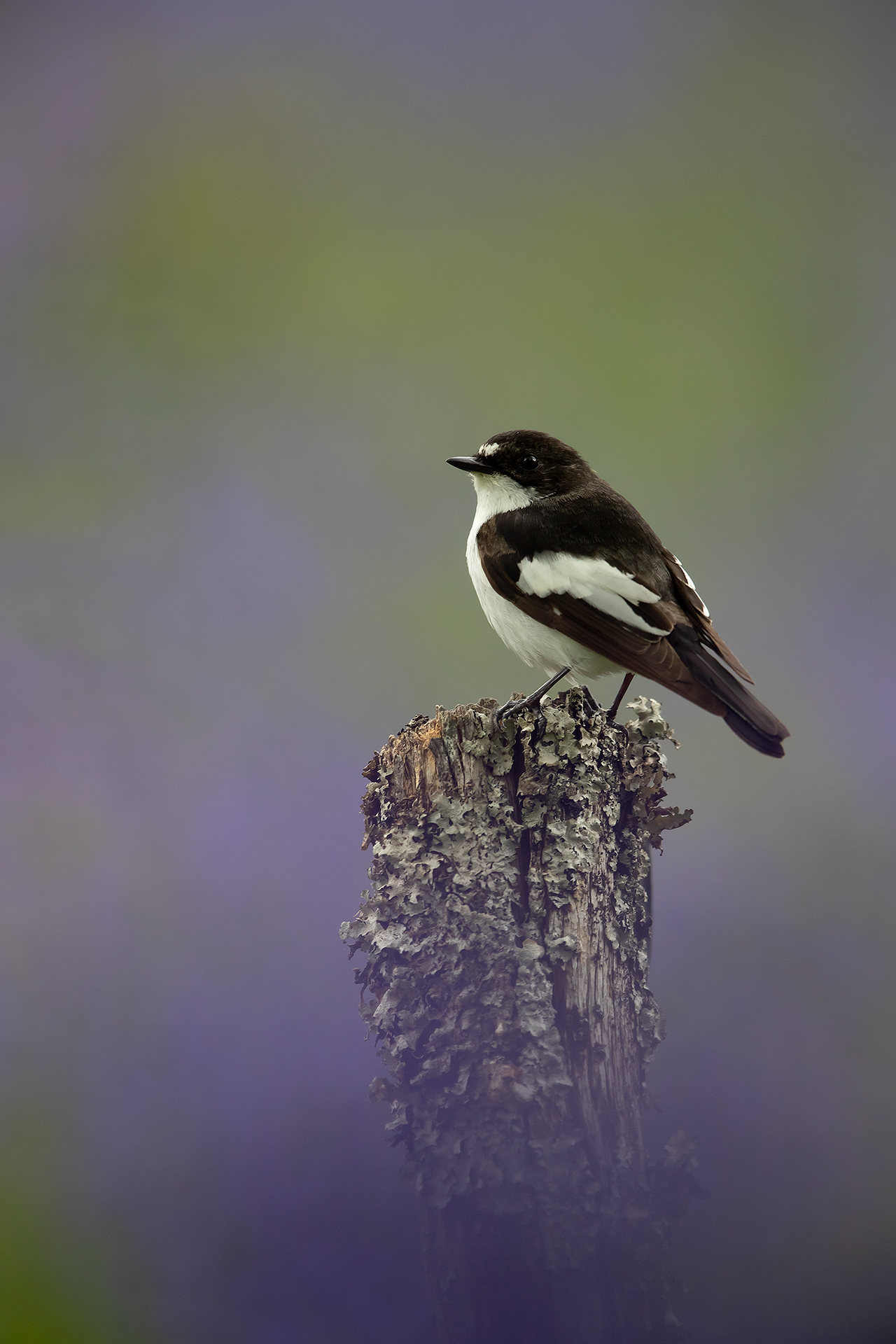
I have to say I have enjoyed my time in Dumfries, and it has been great to get out with the camera again. The main aim of going was to do photography but also look at the options of organising trips to this great part of Scotland. I have already put trips together for the late summer working with Badgers and Pine Martens and a trip next winter. I am planning a spring special next year with Alan and our target will be these beautiful small birds, along with other targets. If you would be interested, drop me an email and I will let you know the details.
If you cannot join that trip, then why don’t you book directly with Alan. If you haven’t been before I will warn you that you will be going back a lot as he always has new things to offer and if you have been before, but it has been a while then again, I warn you as you might catch that Dumfries and Galloway bug again.