
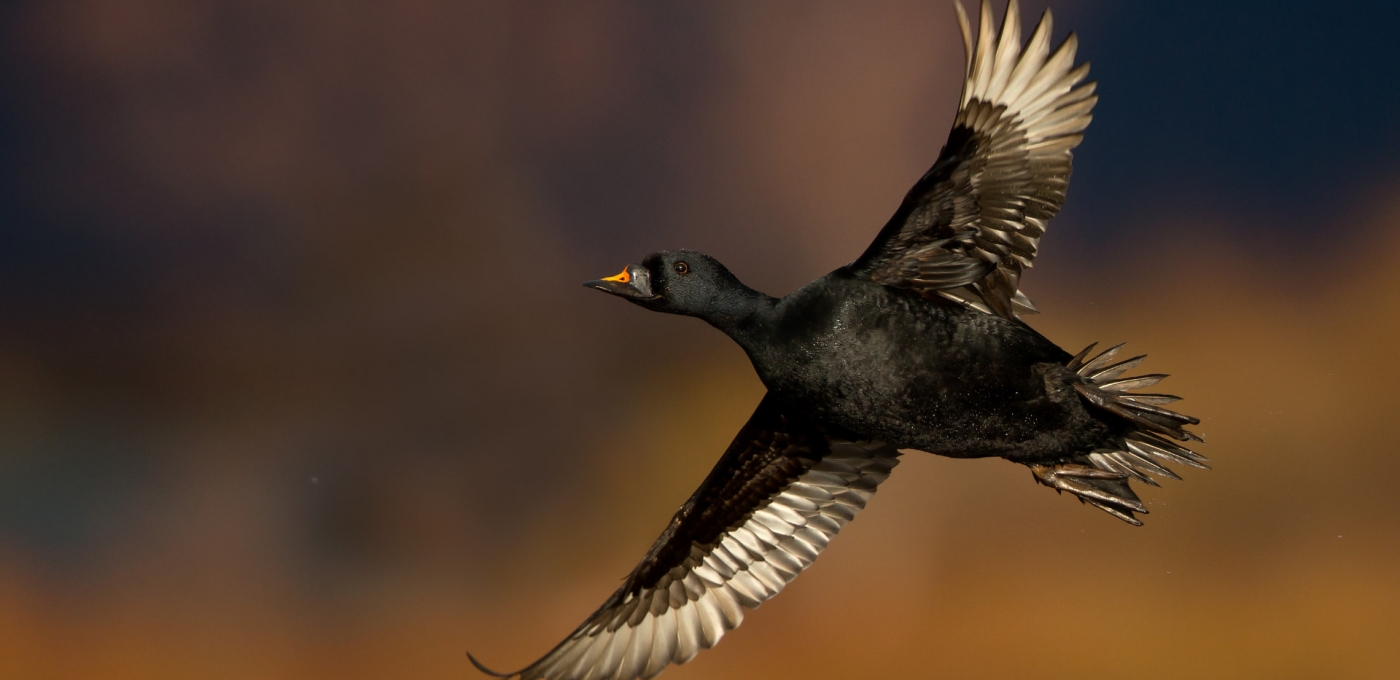
During early June I was in Iceland. This was my forth trip to this wonderful location and everytime I go Iceland throws up a few surprises. I was co-leading a trip with Edwin Kats for Natures Images but I went out with Ed and a good friend Steve for a week just to recce before the trip started. Now Iceland is not renowned for its warm conditions and I have experienced all kinds of weather here, just in one day. When the light is good though boy is it good. Our first stop was at Lake Myvatn which is in the north east of the country. I have travelled to many parts of Europe in search of images and I would put Myvatn in a top ten destination for wildlife photography. There are so many species here and in good numbers too. I had a few target species myself that had eluded me on previous trips and one of them was the Common Scoter.

I have a thing for ducks and my first trip to Iceland in 2010 was to just to concentrate on a couple species. Common Scoter was one of them but it eluded me and has done ever since. So you my might question my logic spending a week working with a little black duck but I enjoyed every minute of it. They are very elusive and shy by nature and so getting close to them can be tricky. We found a small pool with a resident male and it was perfect for putting a small canvas hide along the edge. Then the wait would commence. The resident male was not stupid and would spend most of his time on the far side of the pool. Every now and then though a female would fly in accompanied by four or five other males and so all hell would break loose. The resident male would then start chasing the other males away and try to keep the female to himself. The action would only last few minutes but it was intense and it gave me so many opportunities to catch some great action. It was a long wait but worth it.
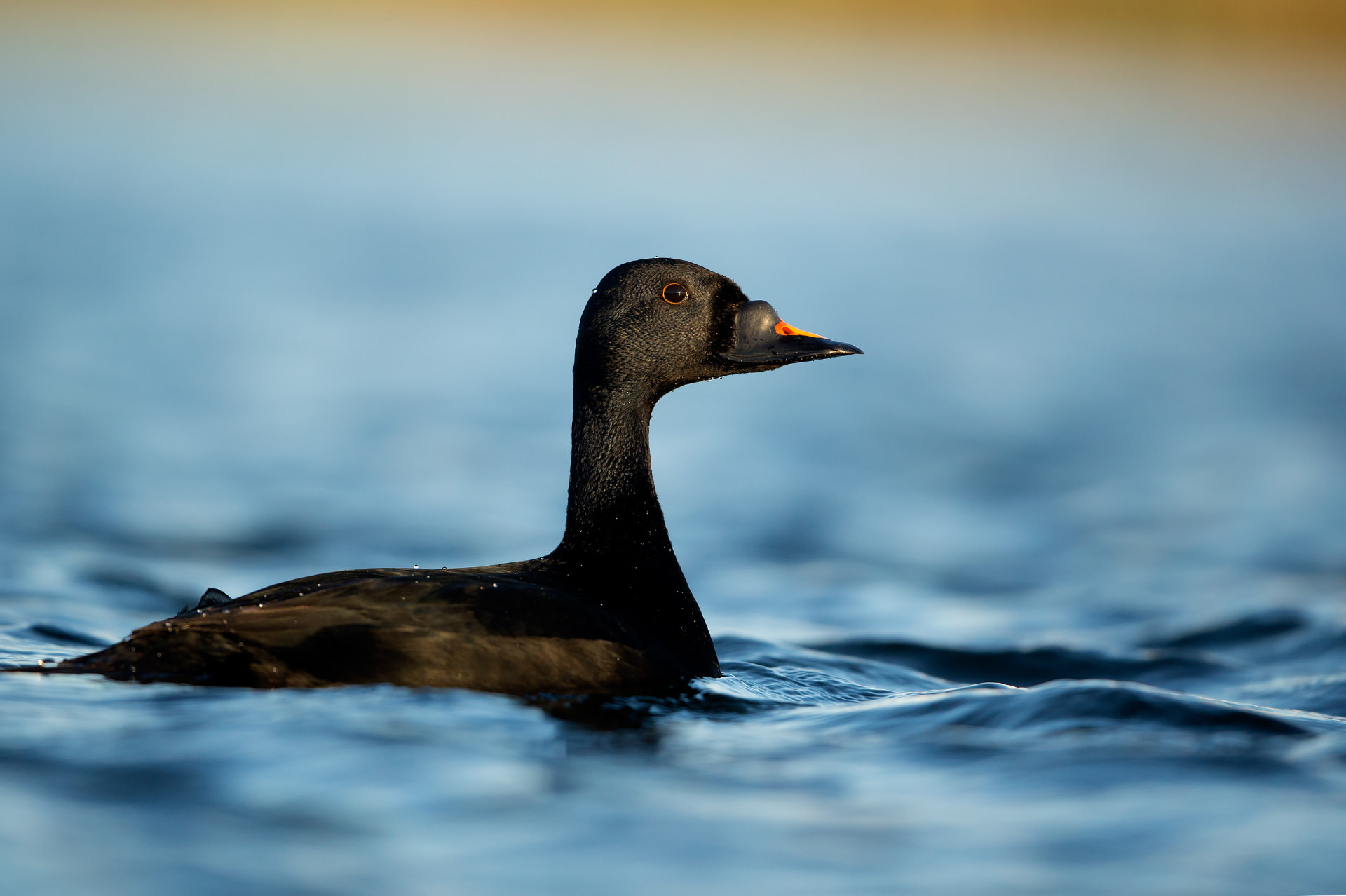
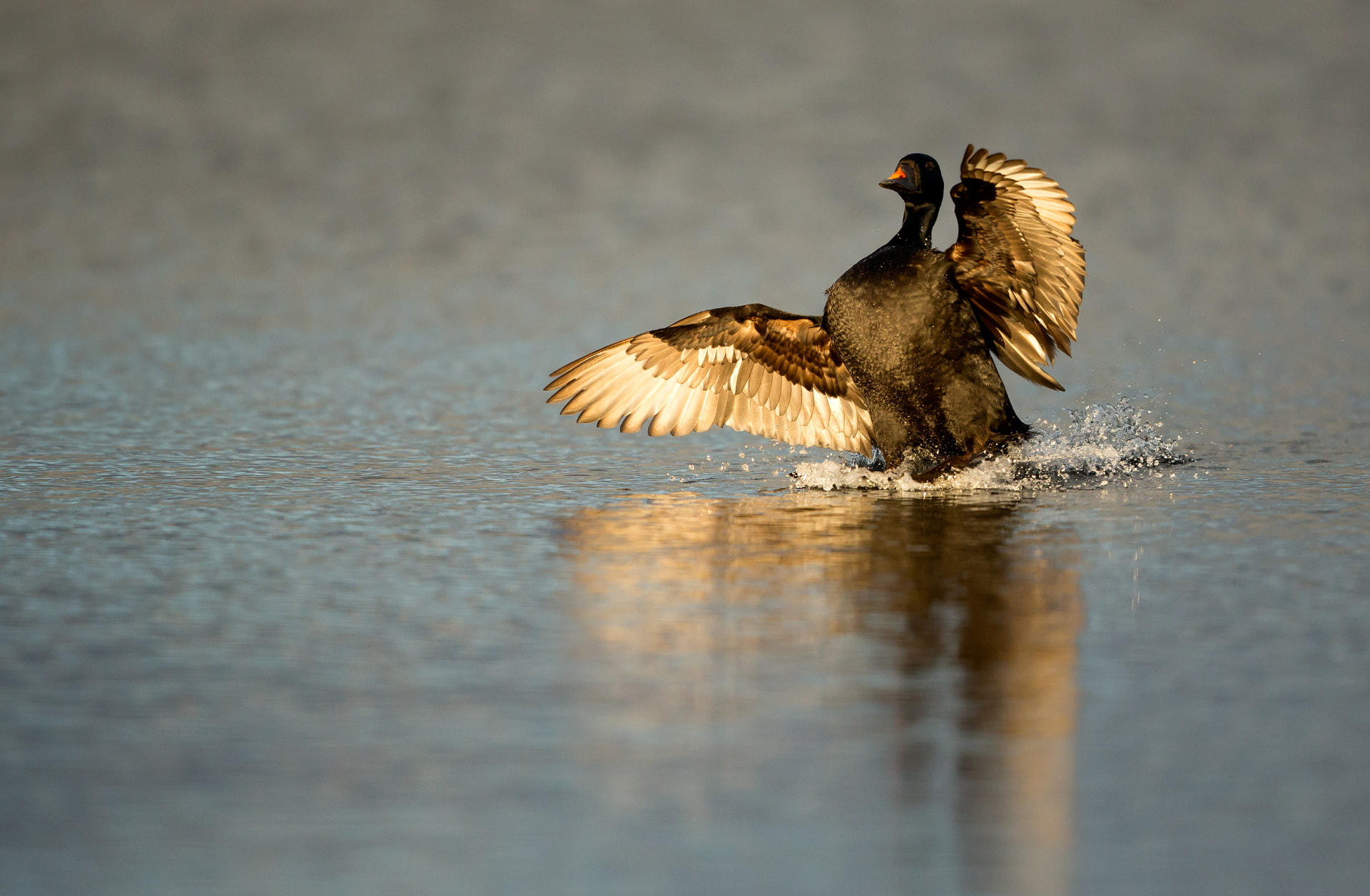
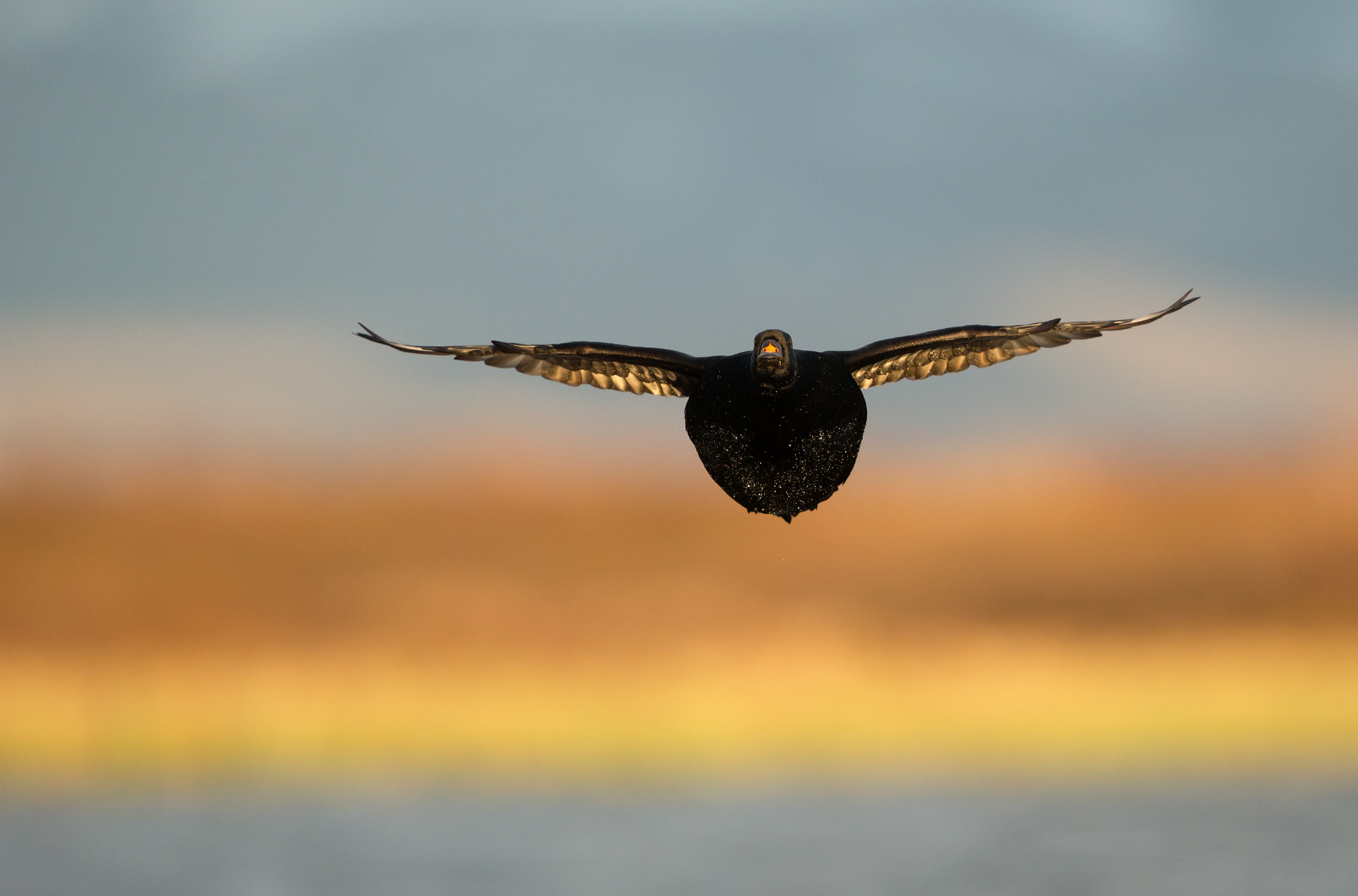
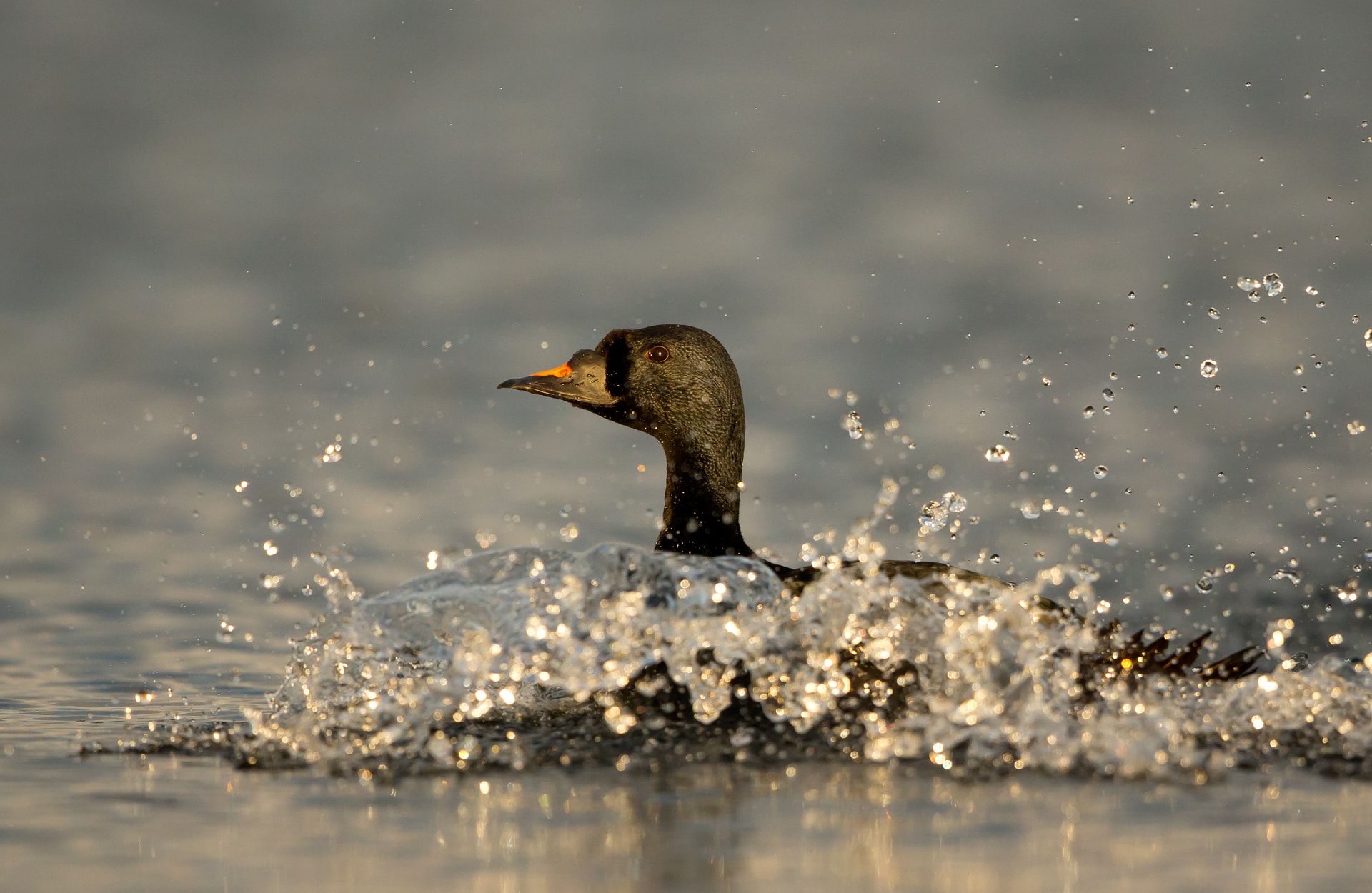


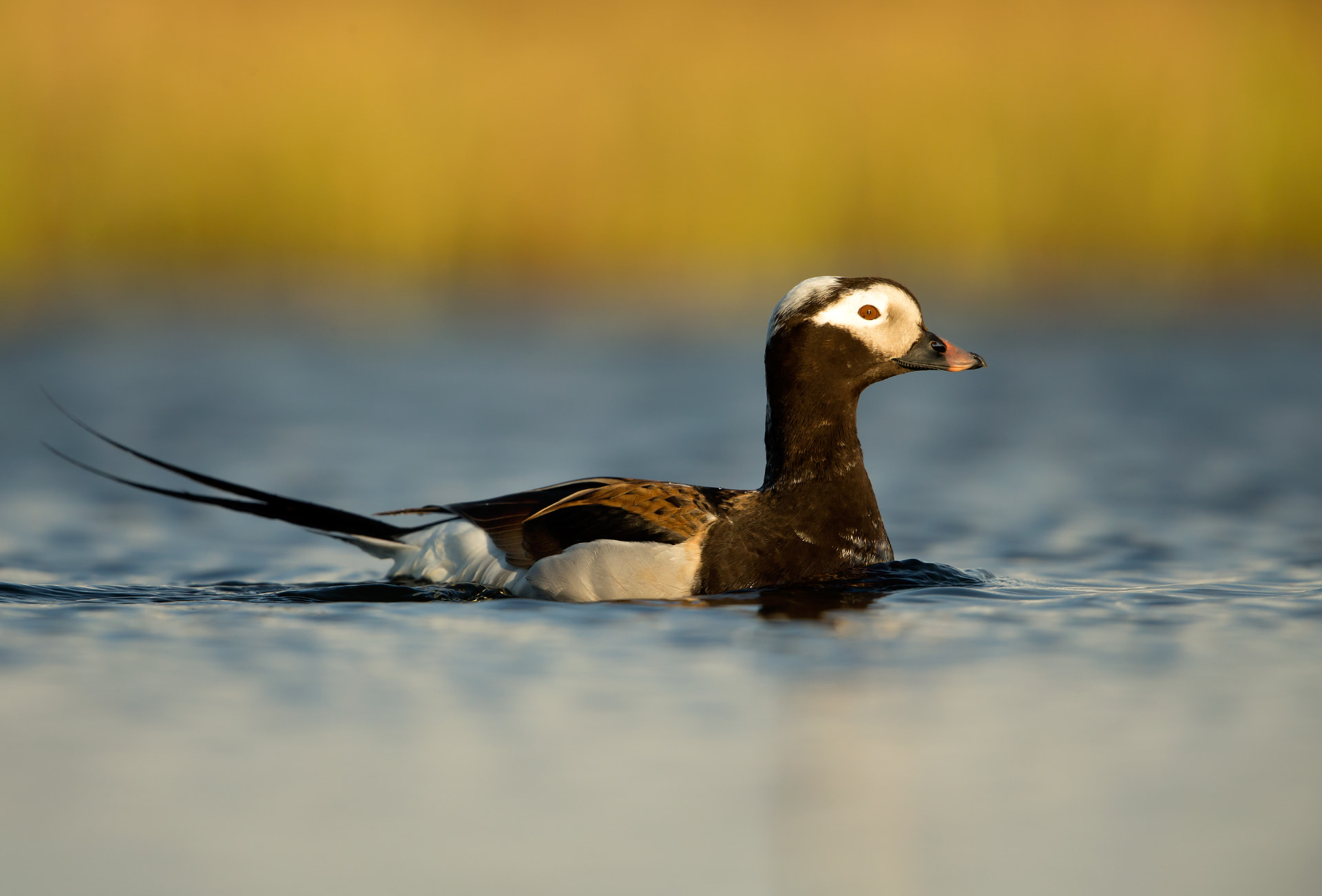
It was great fun working with the Scoters and I loved every minute of it. Myvatn is such a good place to spend time around and the beauty of working from a small hide you never though what is likely to drop in. Long-tailed Ducks are another elusive species but a pair would show up on the pool most evenings.
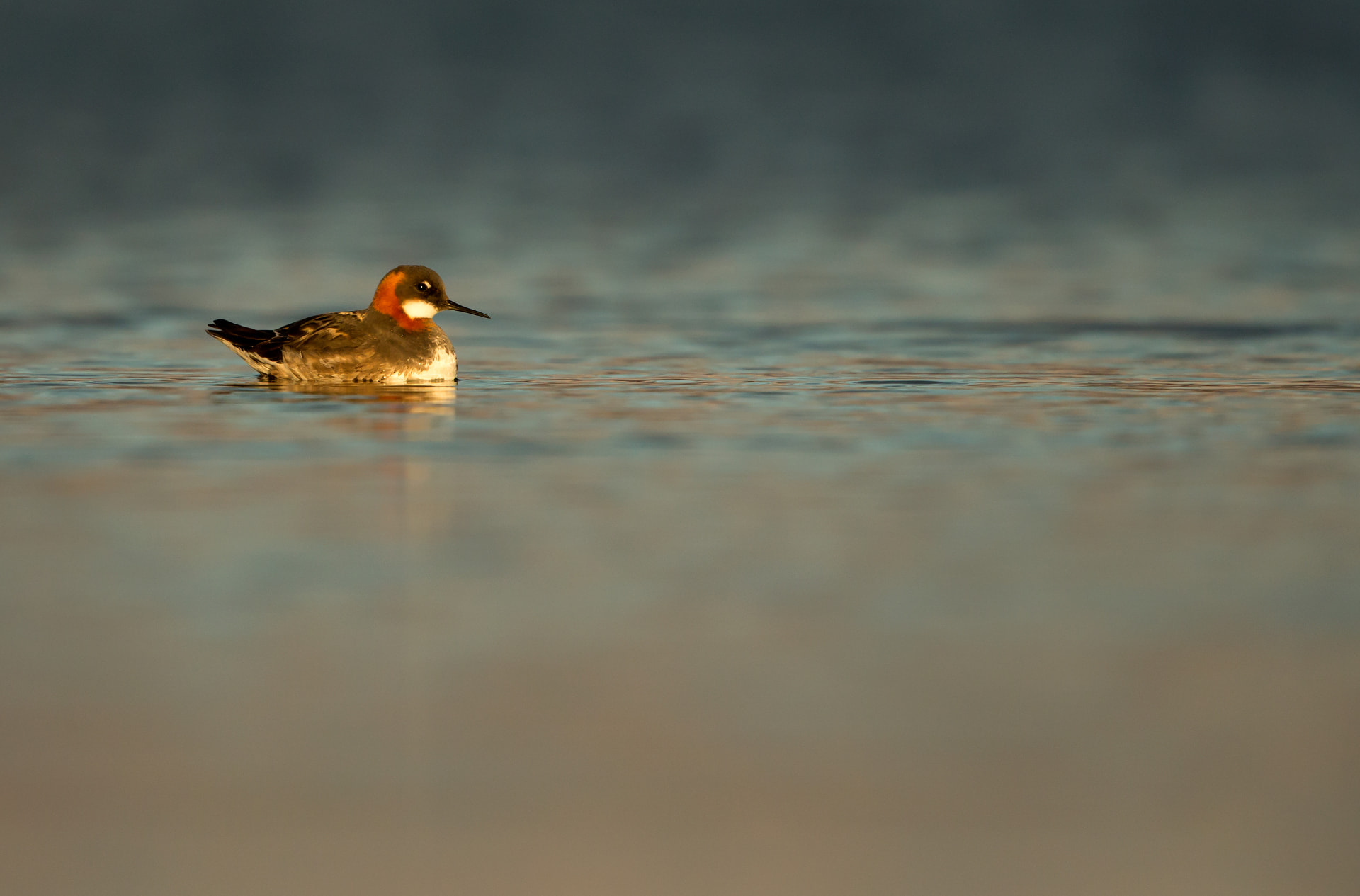
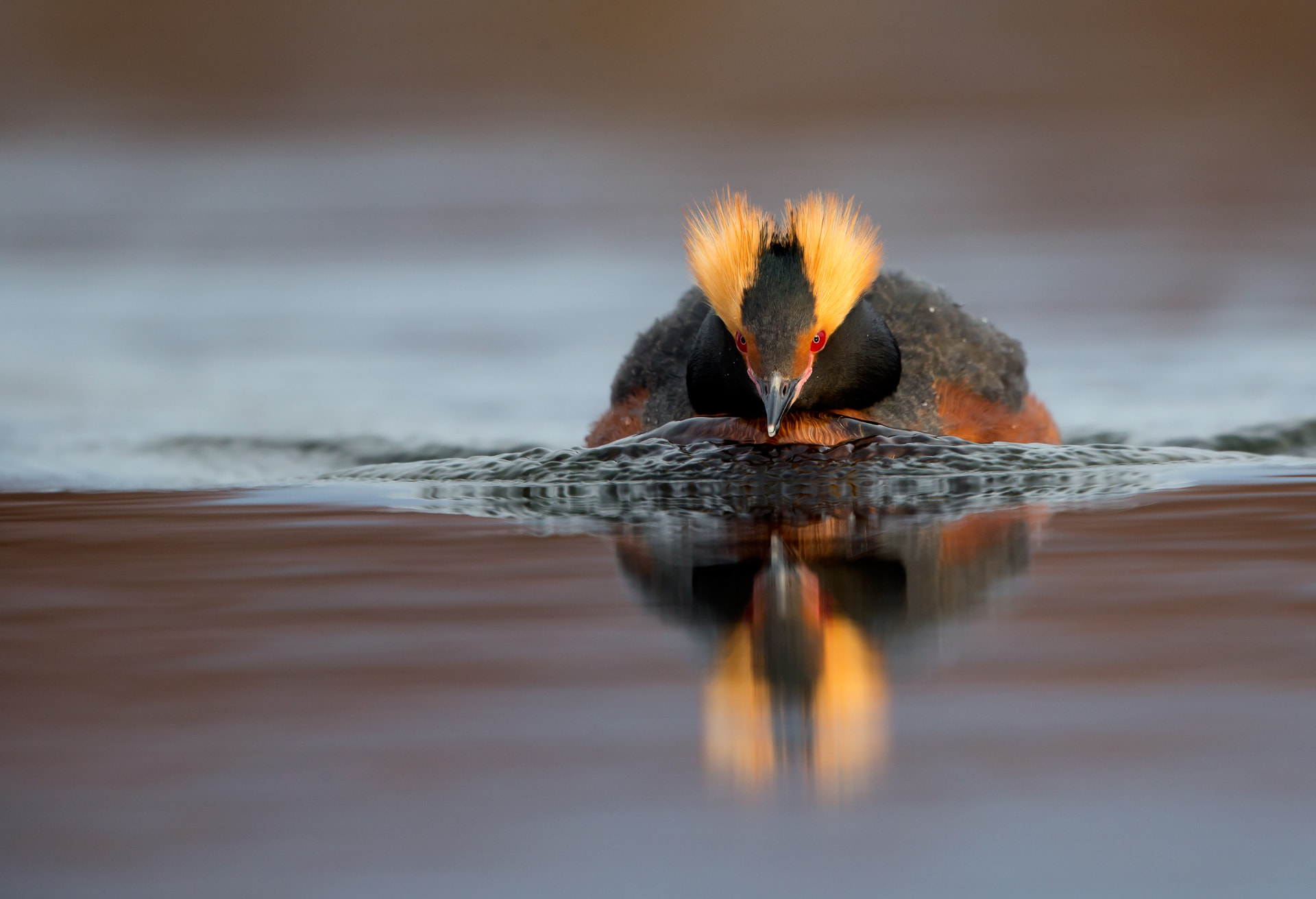
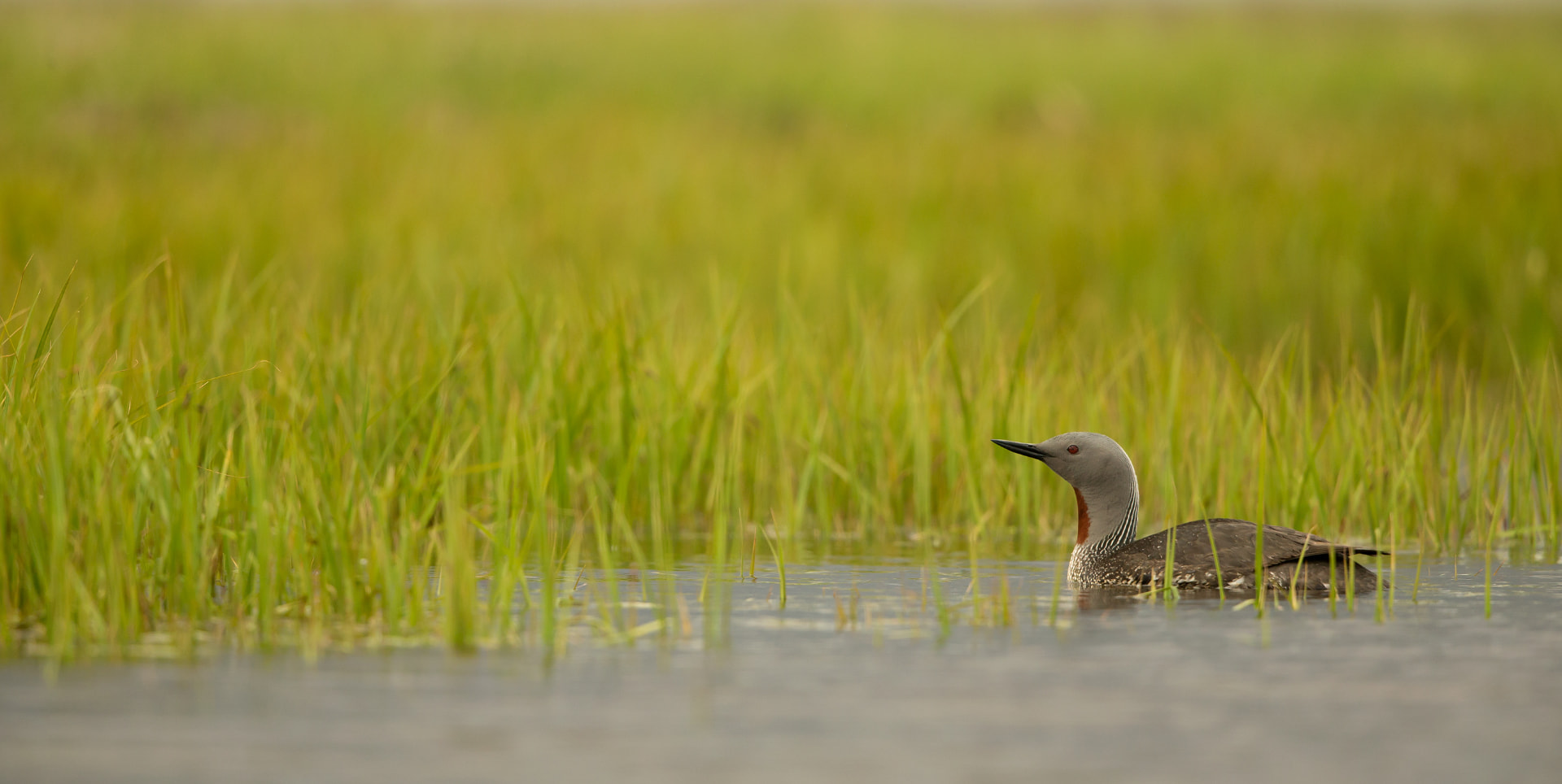
There was always a Red-necked Phalarope or ten that would drop by too. The other iconic birds of Lake Myvatn are the Slavonian Grebes. Most of the small pools around the lake support a breeding pair. One of the most beautiful birds of the area though is the Red Throated Diver.
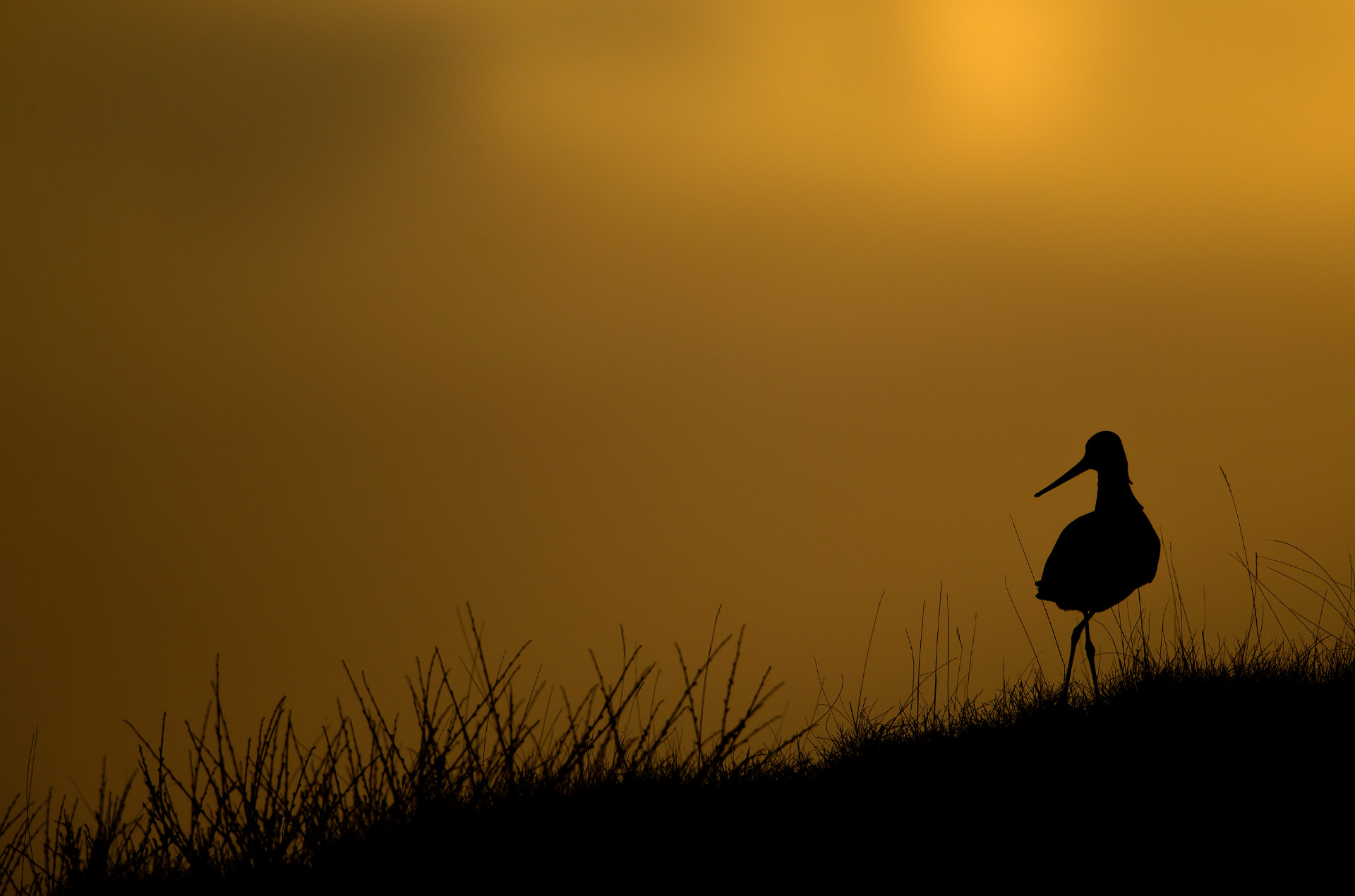
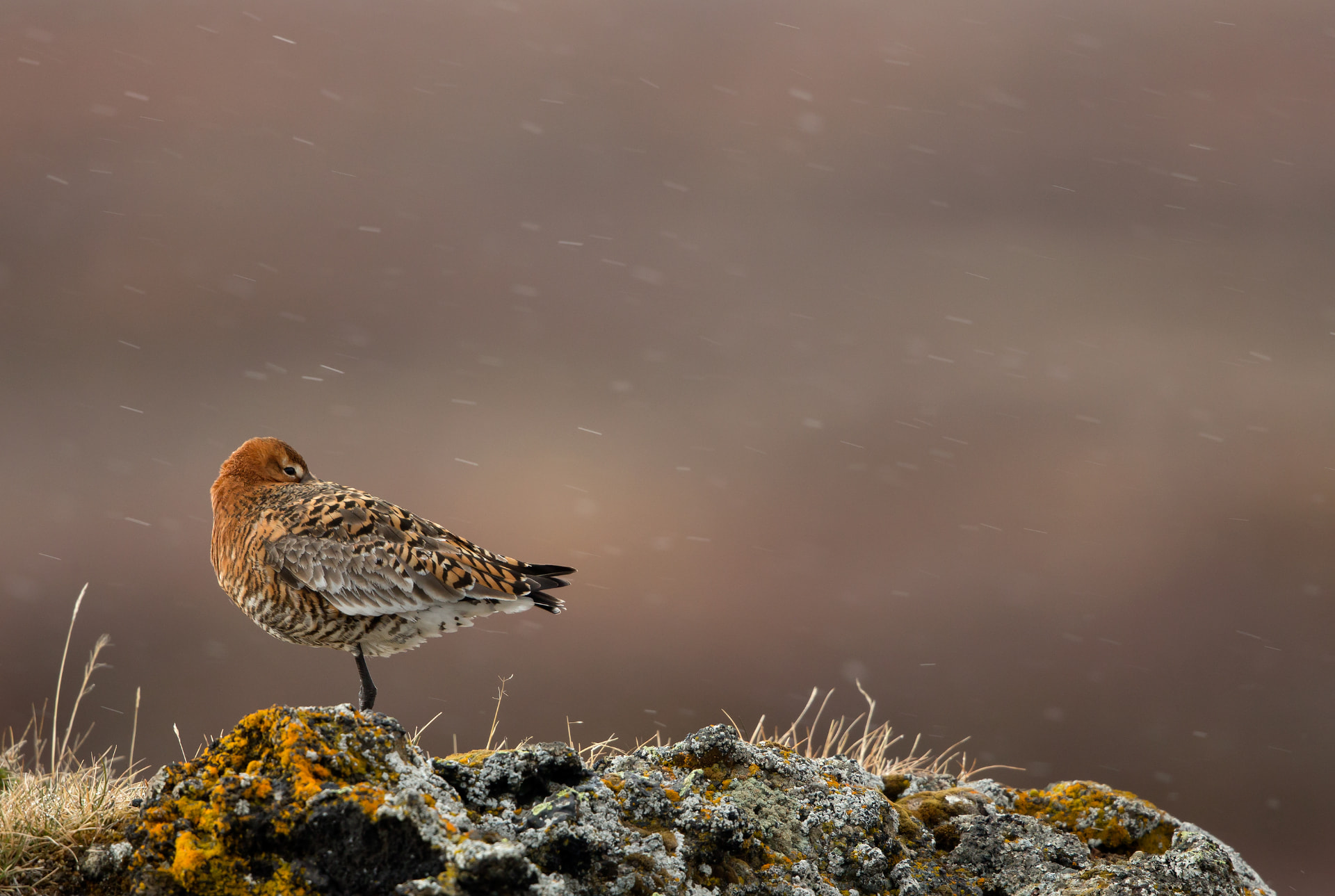
The tundra surrounding the lakes is also excellent for many other species during the short summer breeding season. The long day light hours and abundance of food attracts many species. Black-tailed Godwits travel back to Iceland from their wintering grounds in the UK each spring and these beautiful birds evocative call can be heard on the moors around Myvatn. These moors are alive with other wading birds too like Whimbrel, Dunlin and Golden Plover.
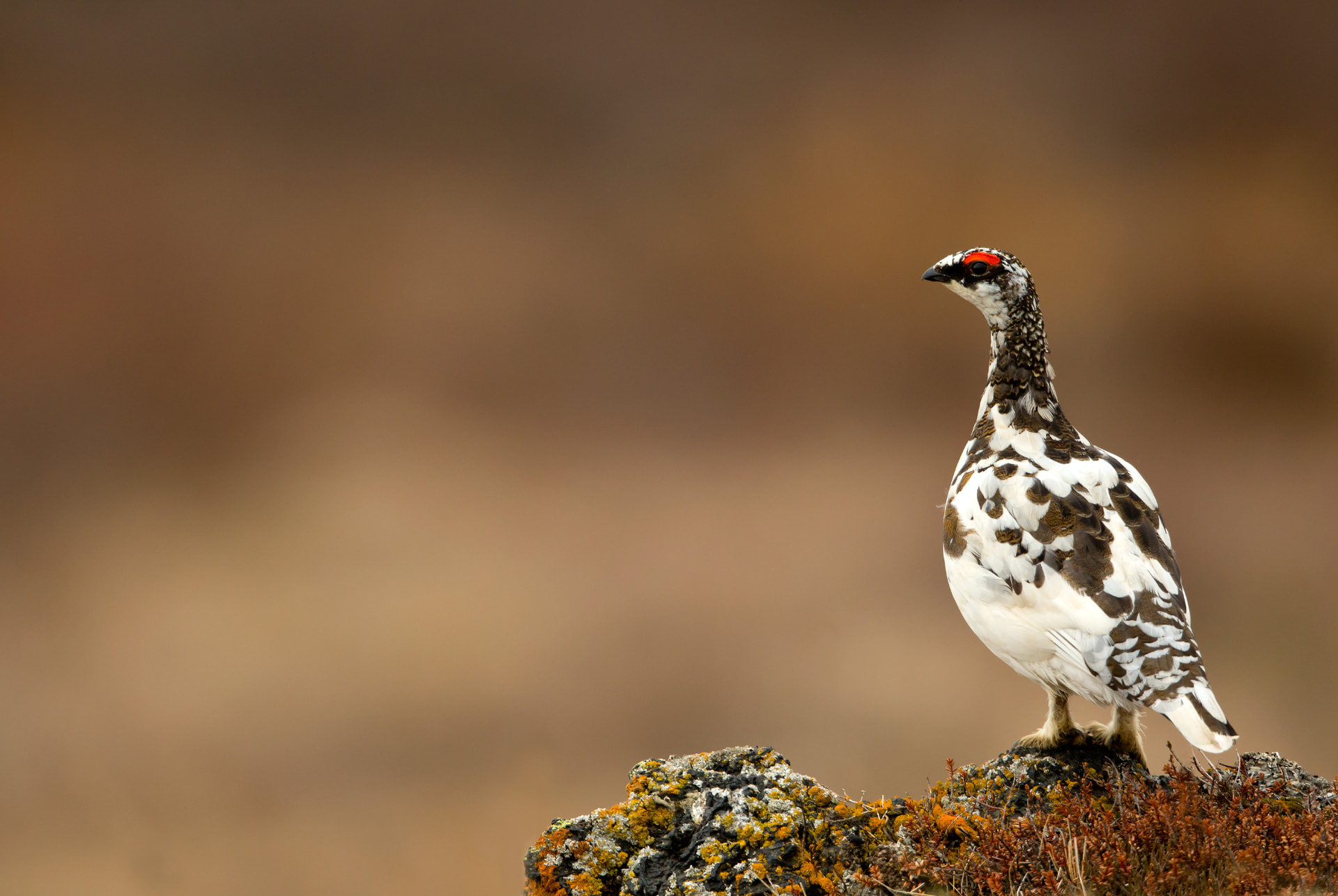
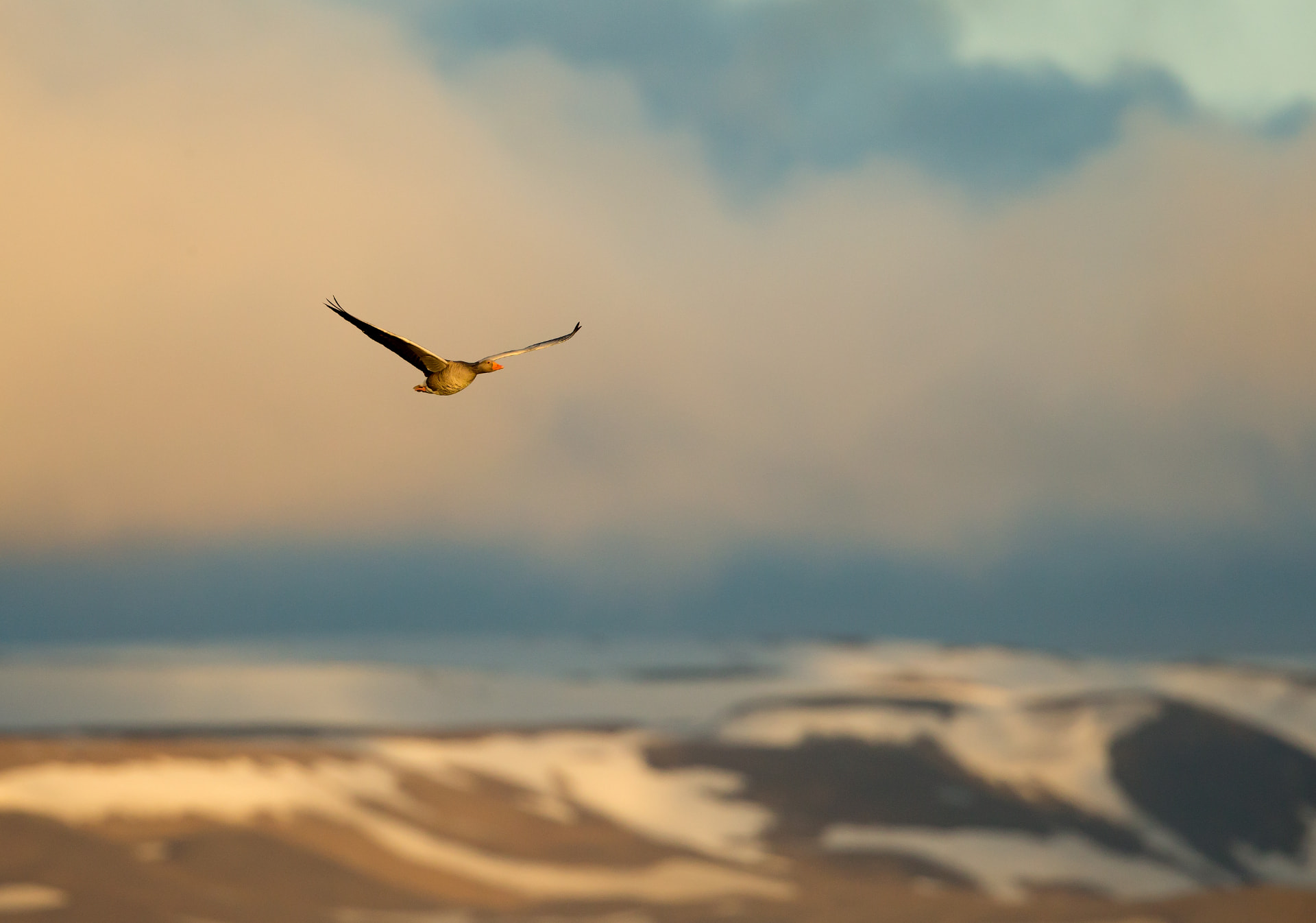
The Tundra also supports a healthy population of Ptarmigan which are resident and good numbers of Geese breed in the more secluded parts.
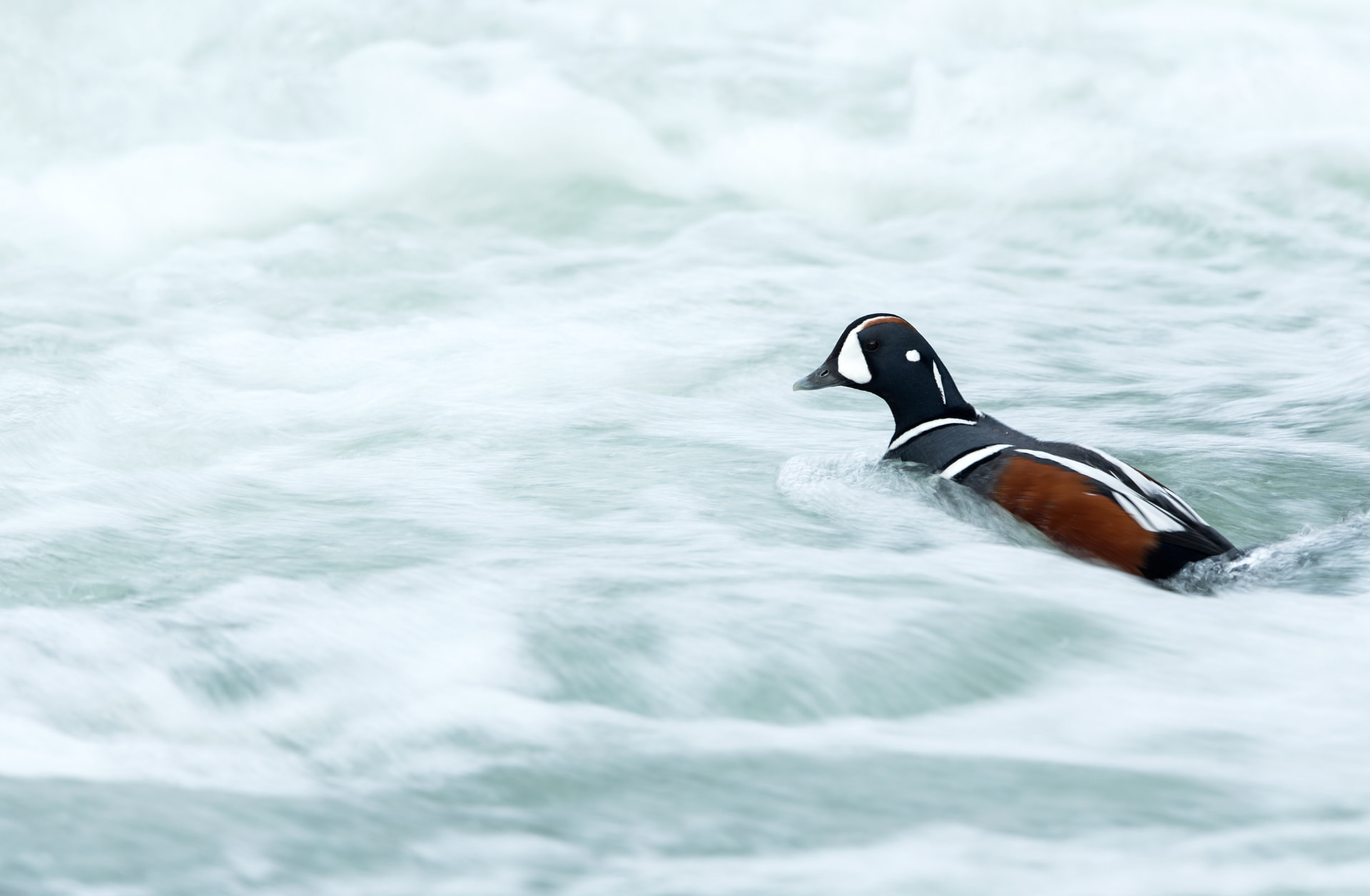
Lake Myvatn is fed by underground springs and in turn deeds into the Laxa River. This river is an excellent spot for one of the most beautiful birds of Iceland, the Harlequin Duck. These stunning birds can be found feeding amongst the rapids of the river and it is a joy to witness them battle the strength of the river. I have photographed this species many times so I decided to try a different approach on this trip. I used a slow shutter speed to try and show the movement of the rushing water. I had to take a lot of images because I wanted the head of the birds to remain sharp. A lot of waste for only a couple of images, thank god I don’t still use film.
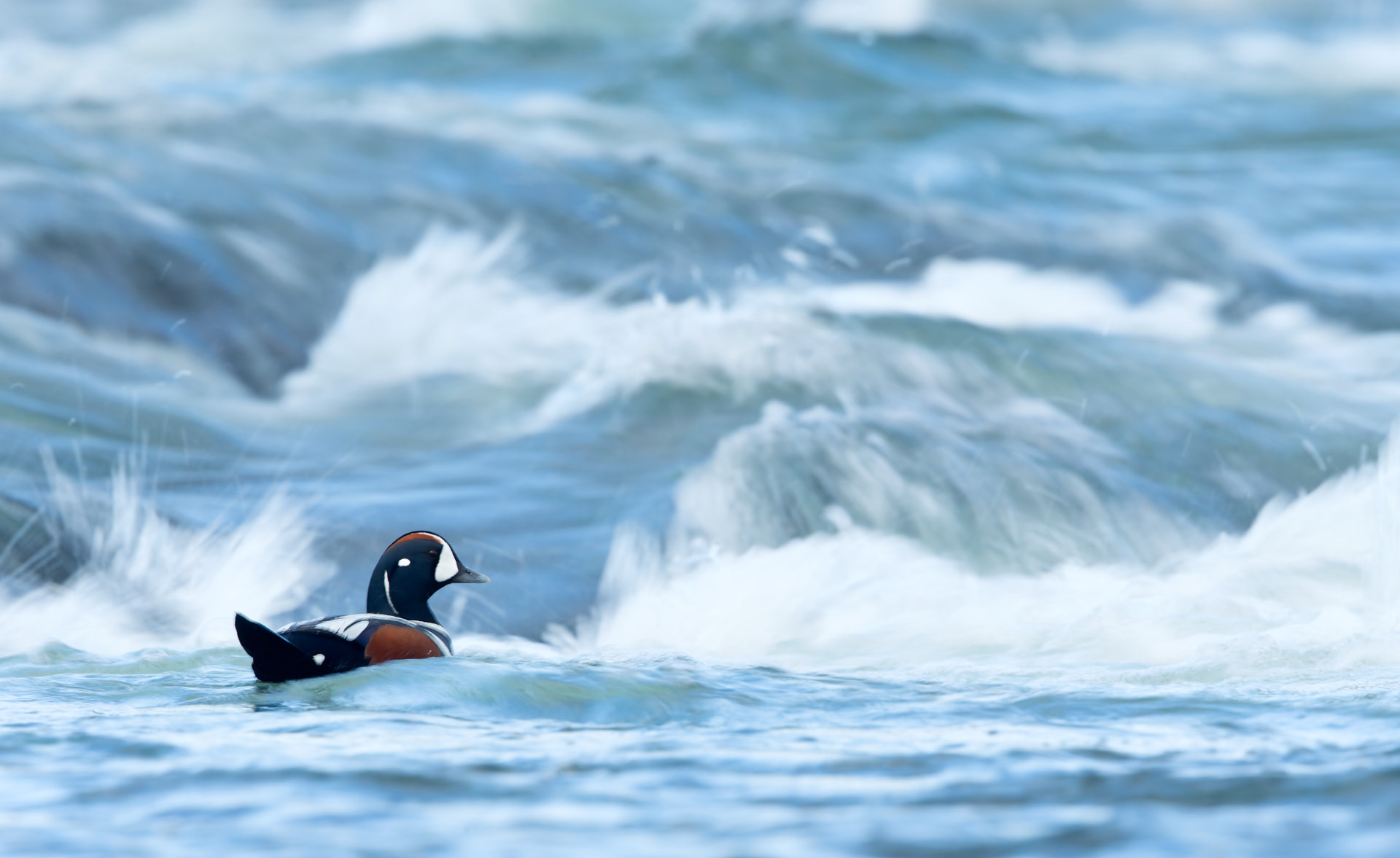
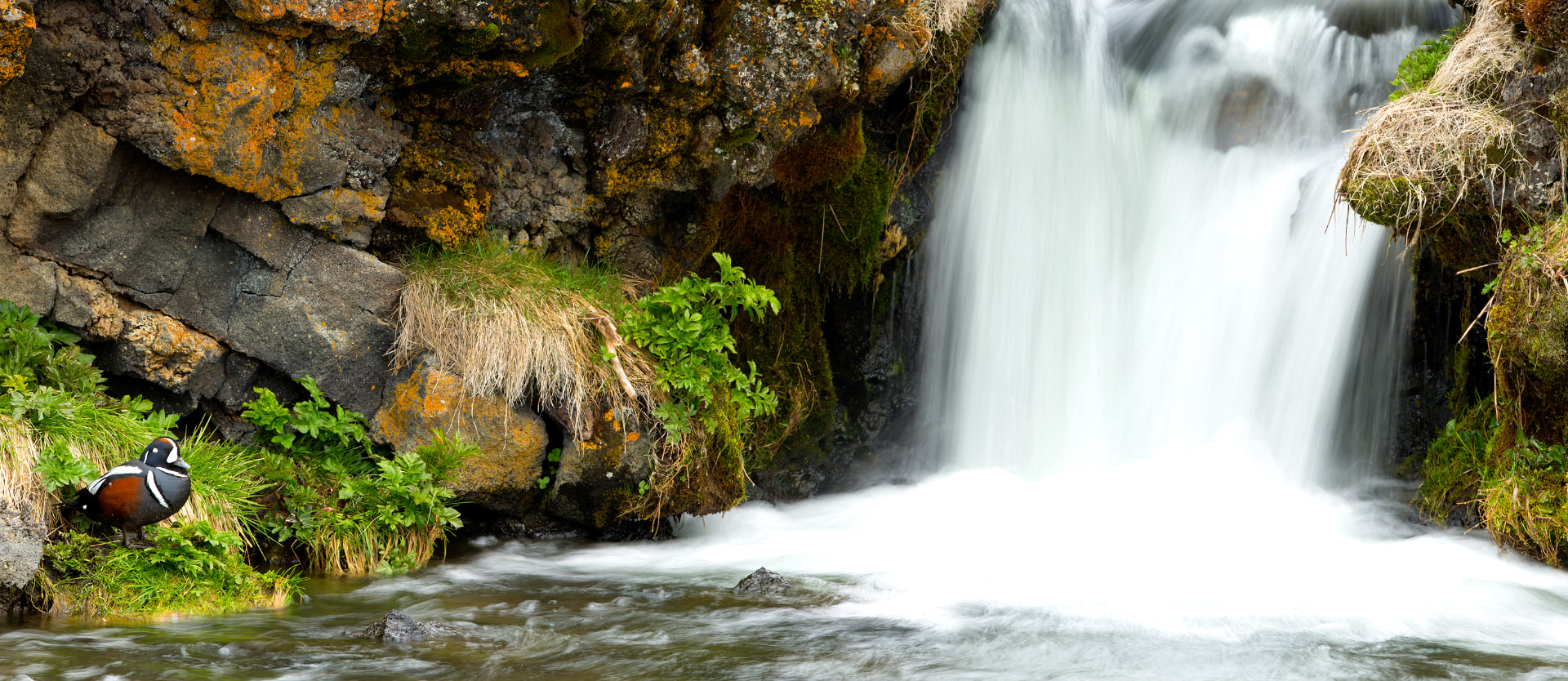
It is much easier when they are resting on the bank to try this sort of image. The image below was a new technique for me. This male was resting near to this small waterfall but I couldn’t get both in the same frame, so I took two images and stitched them together. It doesn’t look that effective at this size but looks great big on the screen.
After my time at Lake Myvatn I then headed south to the Jökulsárlón Glacier (Ice Lagoon). This is another place that I would put into my top ten places to visit for wildlife photography. This location is excellent for photographing birds feeding amongst the icebergs and growlers. I have spent a good amount of time here in the past but I have never really had the great light that I know you can get here. On a couple of occasions I finely got lucky. There were some good numbers of birds around too especially the Common Eiders, a species that drew me here in the first place.
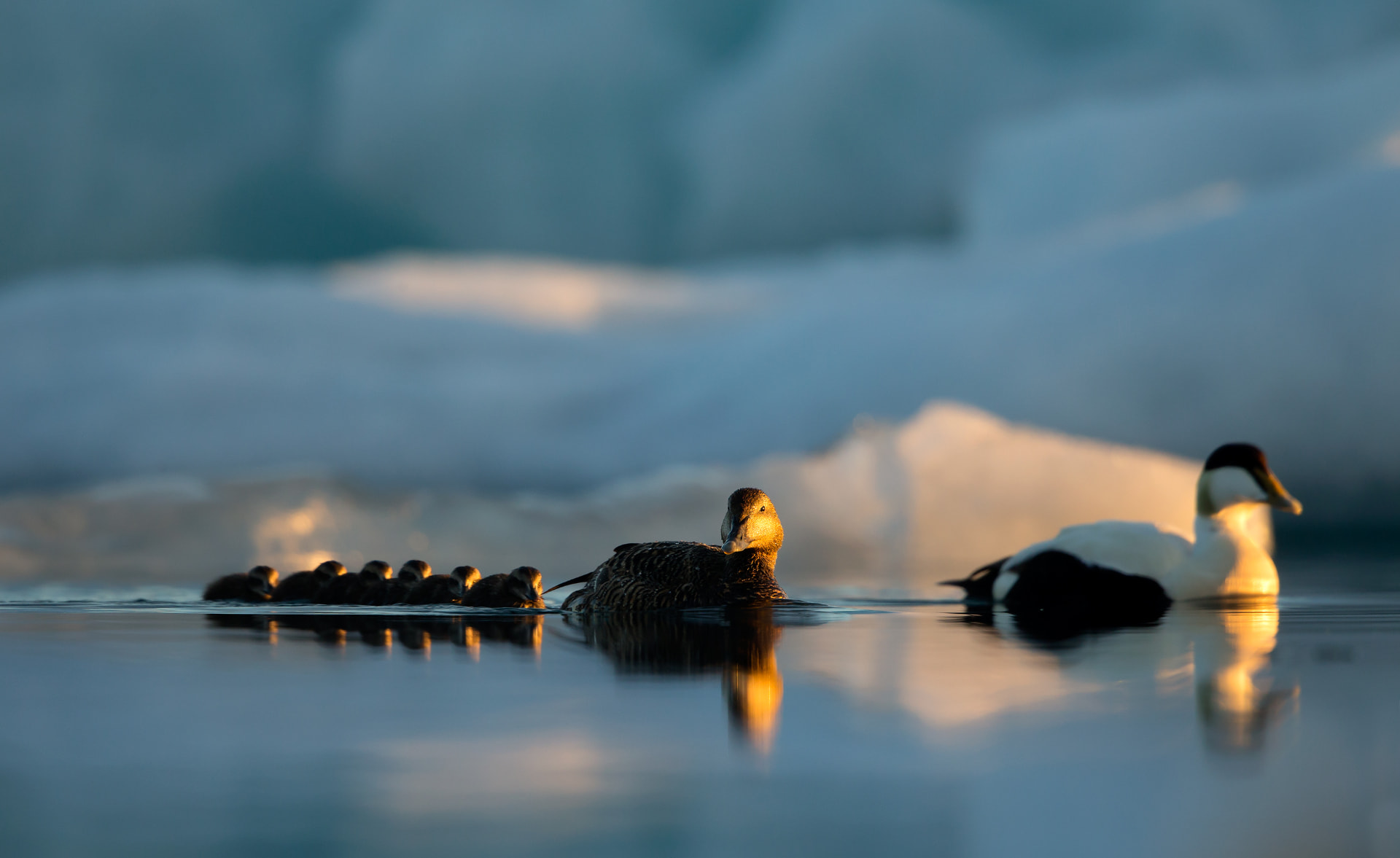
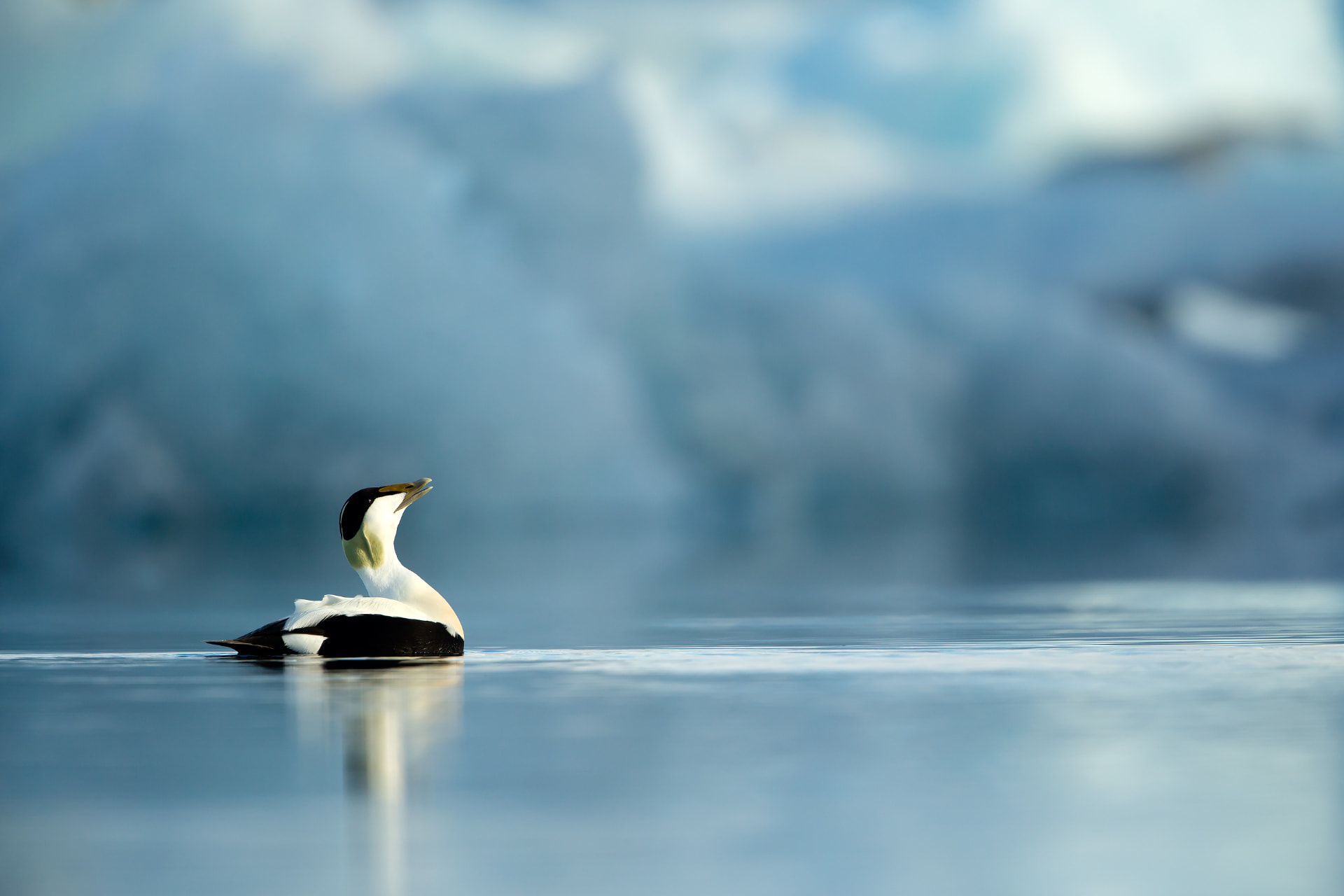
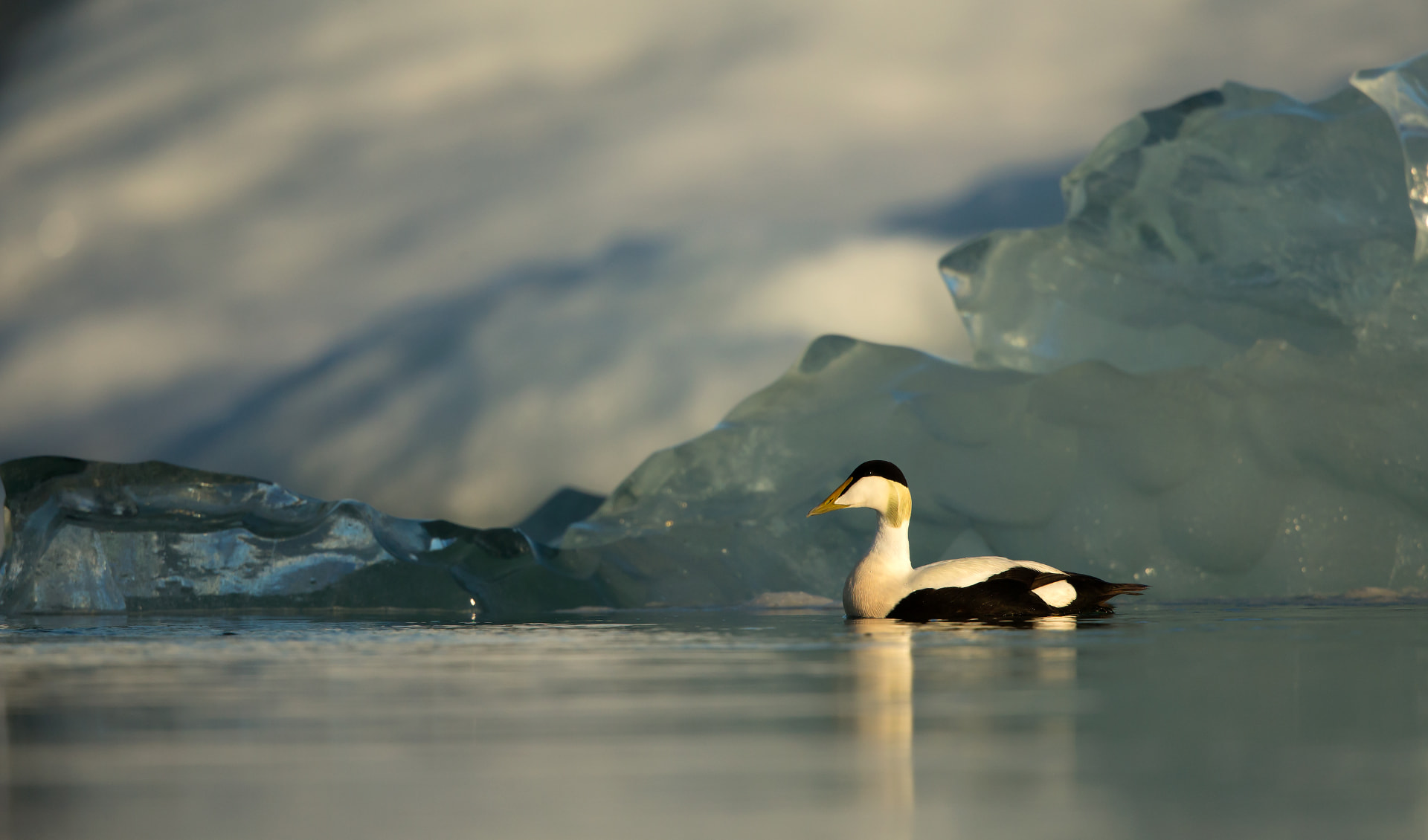
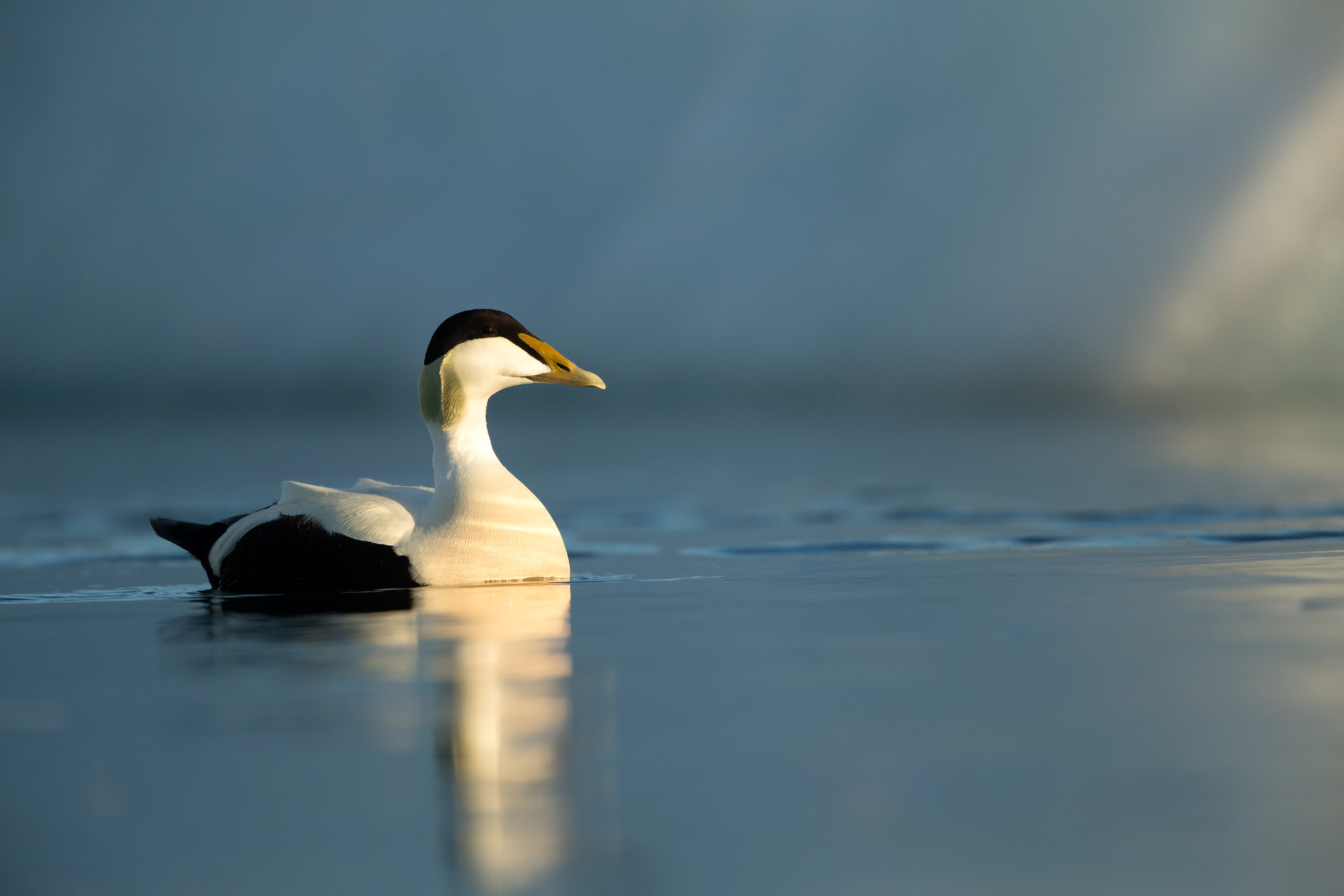


The Lagoon was also excellent this year for Arctic Terns which were breeding in big numbers on the tundra by the side of the lagoon. The Terns look great against the setting sun especially when that subtle light hits their delicate wings.
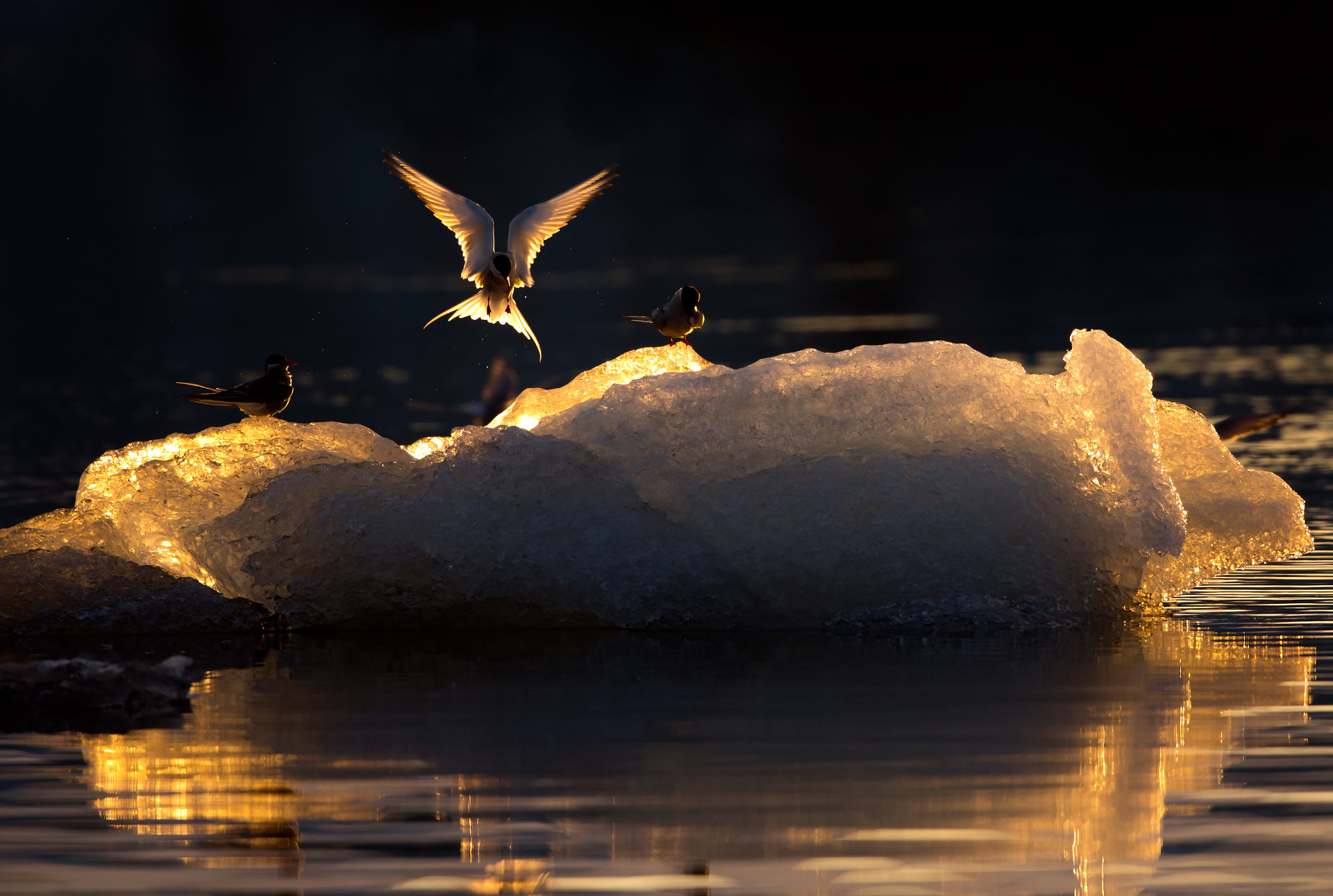
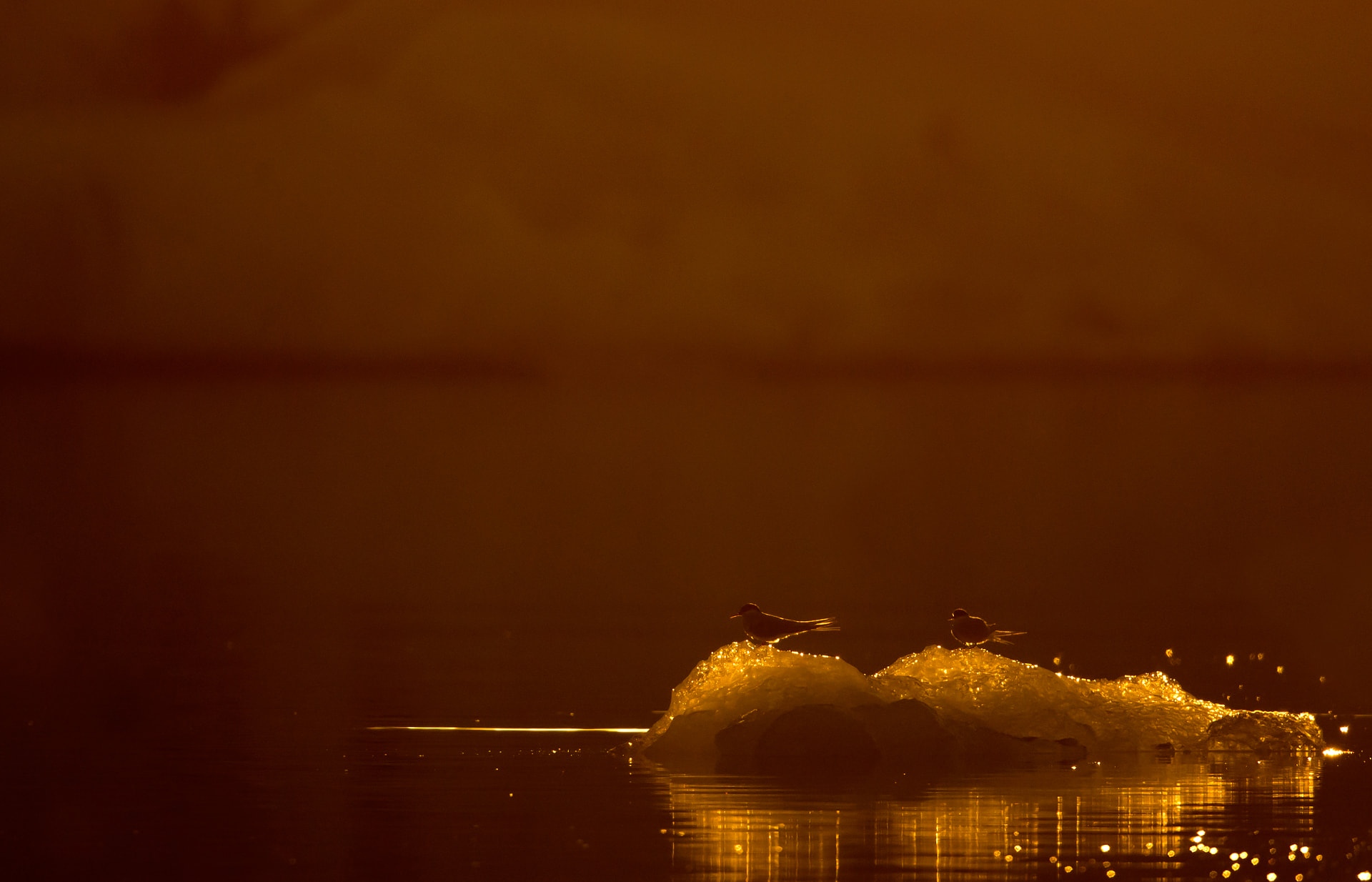
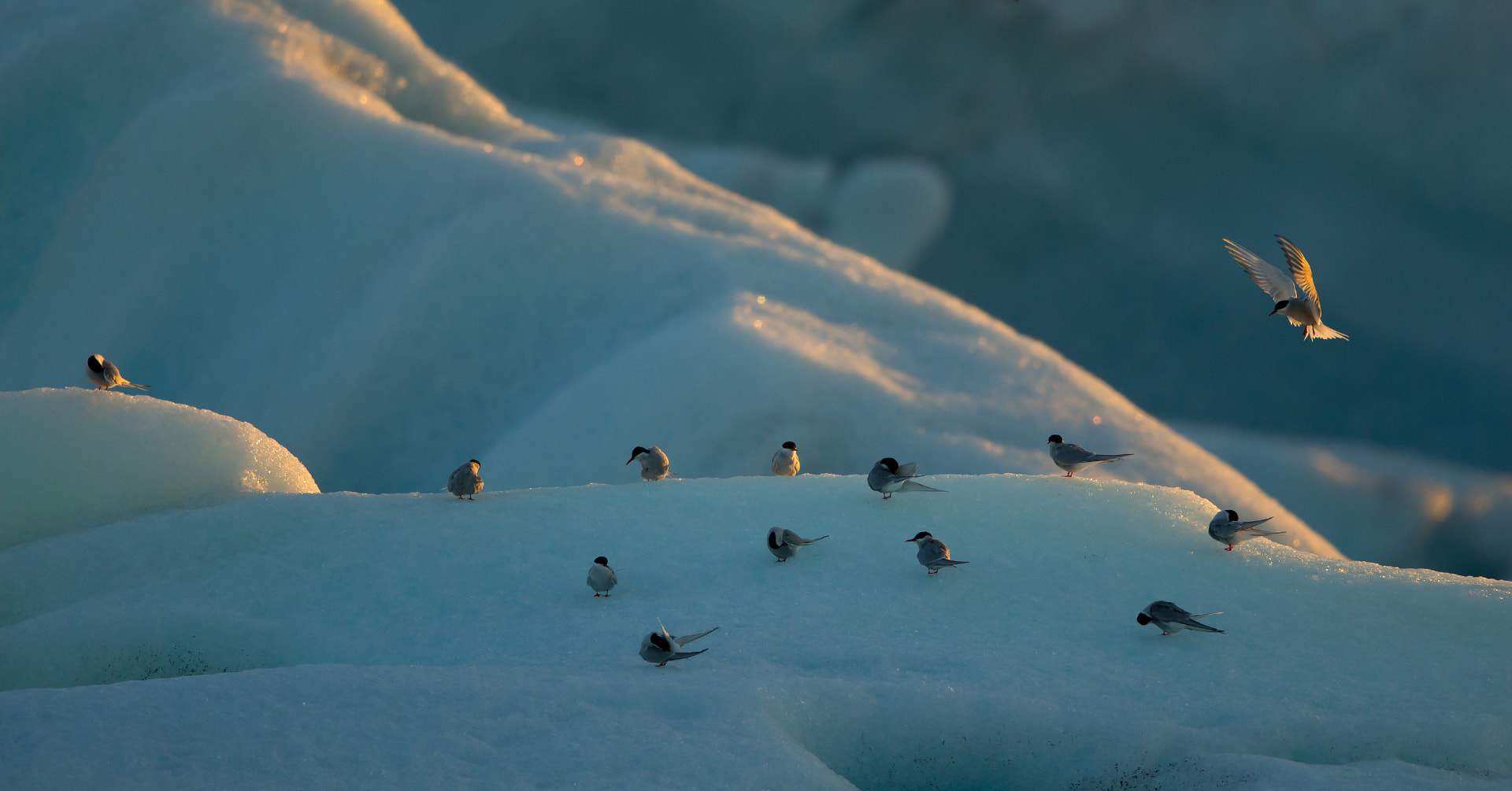
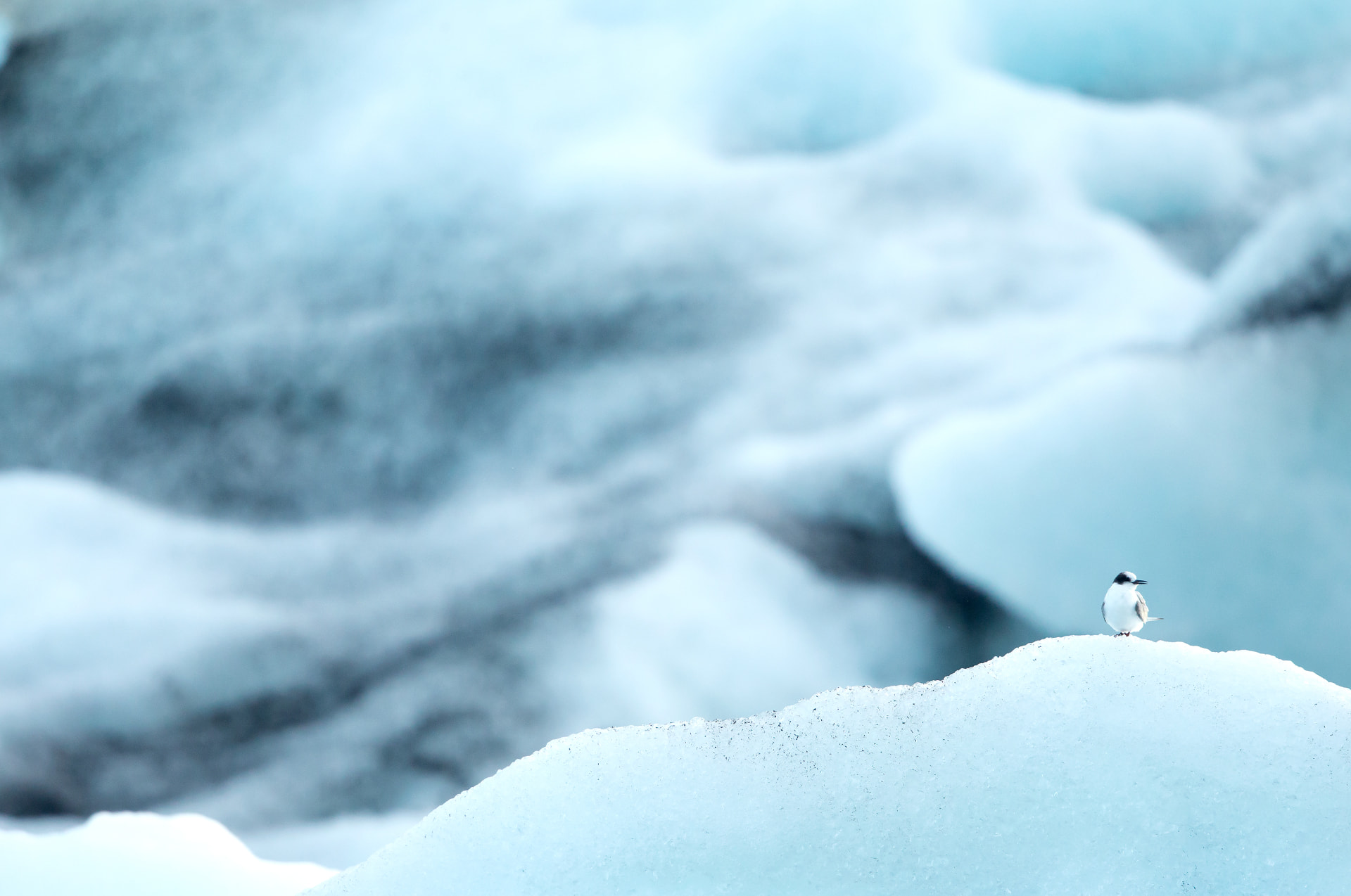


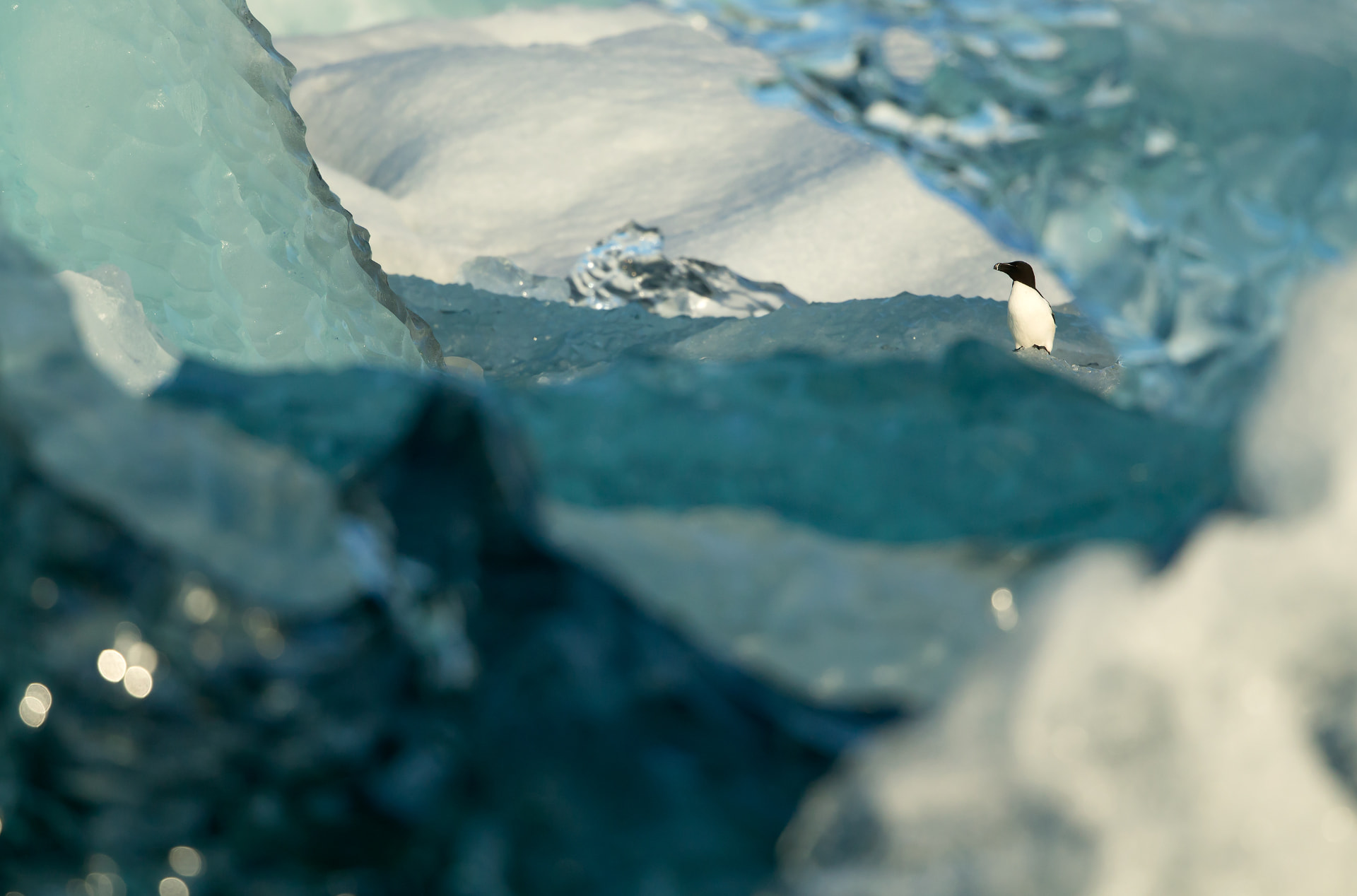
When I work with my 500mm lens the nature of the lens usually means you go in tight but I think in a location like Jökulsárlón it works much better to incorporate the environment. I also used a variety of lenses for my visit this year. What was great about this year was the various species that could be found in the lagoon. One morning we had a small group of Razorbills and Guillemots.
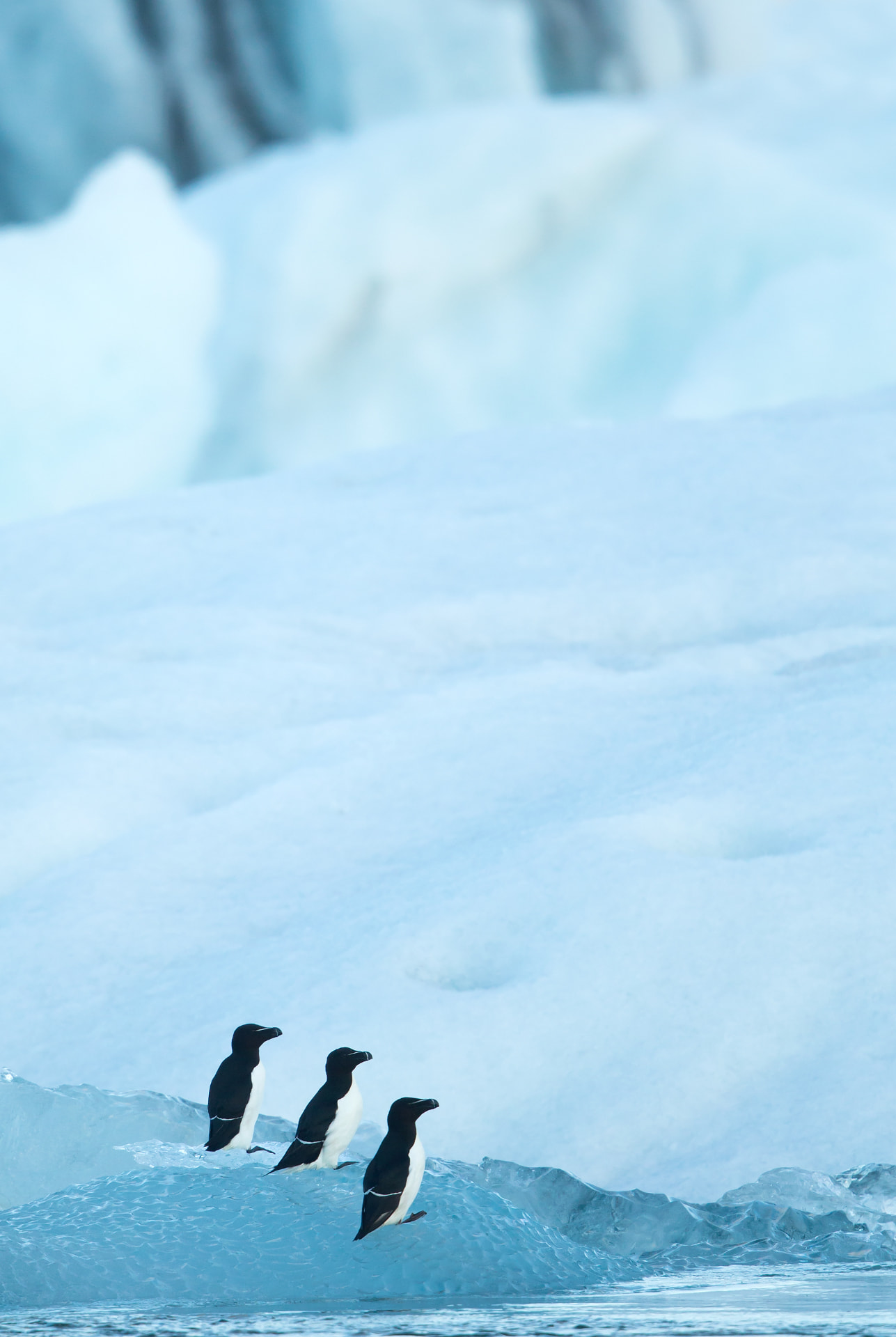
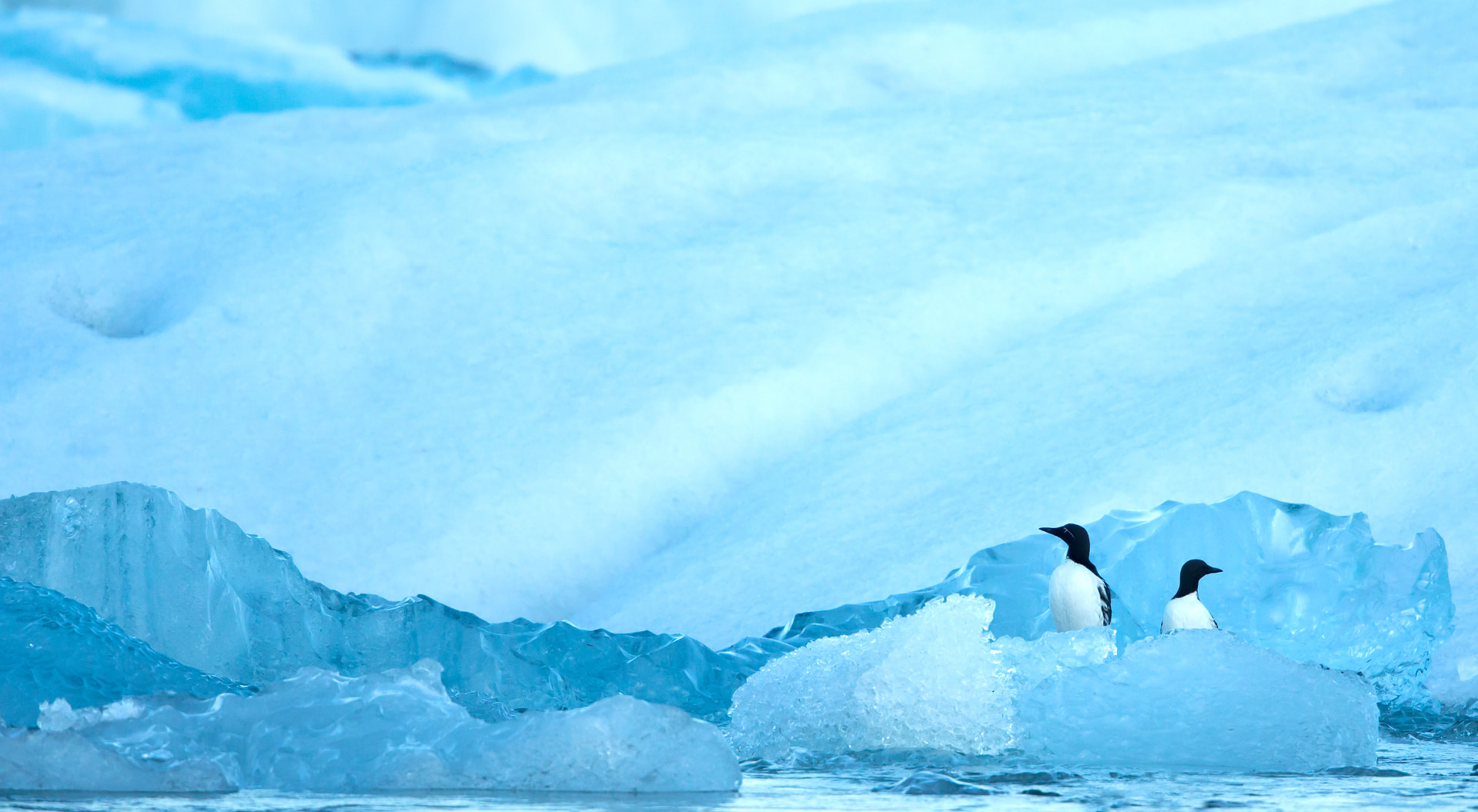
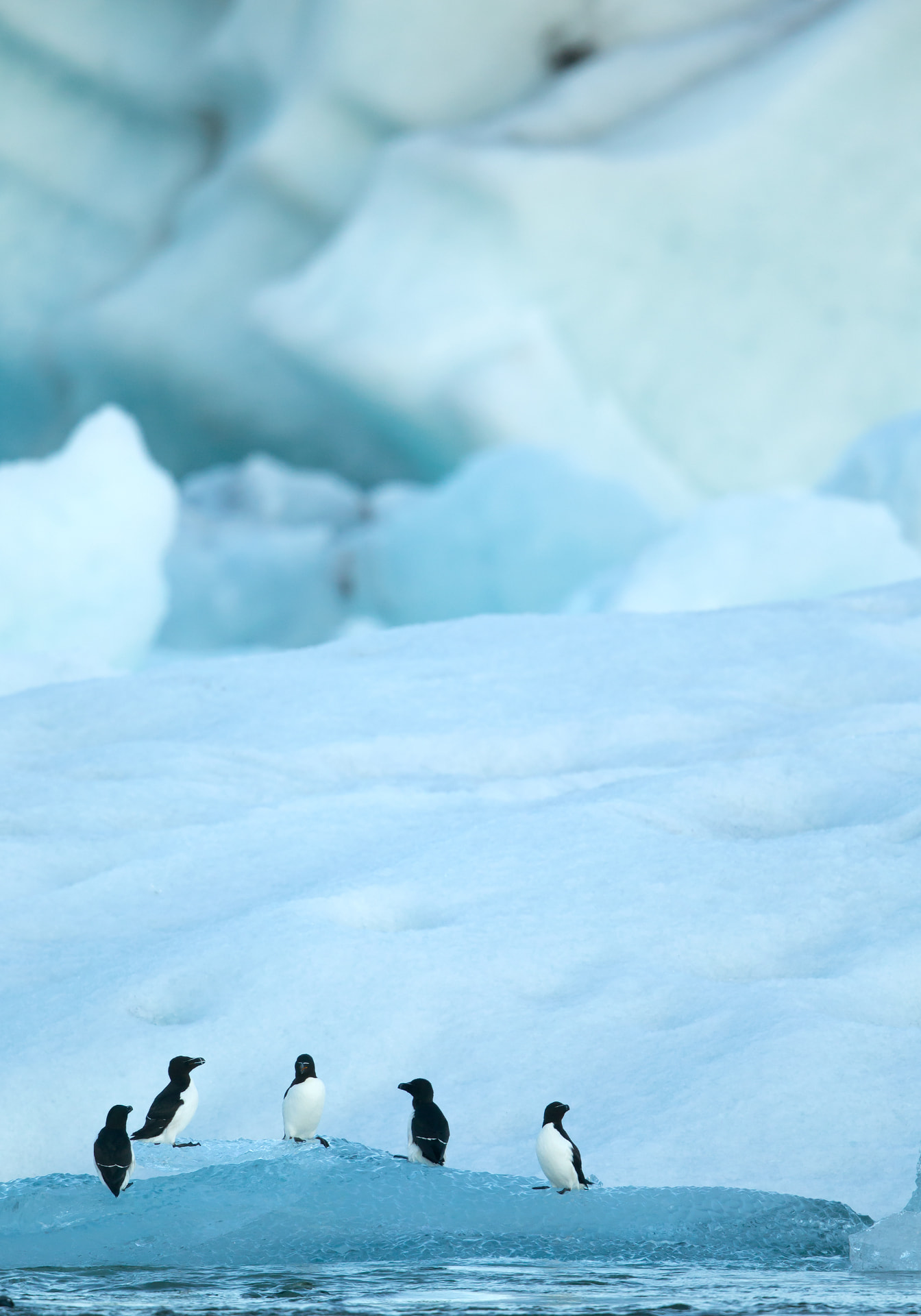
These Razorbills and Guillemots looked great resting on the blue ice and so by placing them small in the frame really showed the beauty of the setting. I might have gone a bit too small at times though.
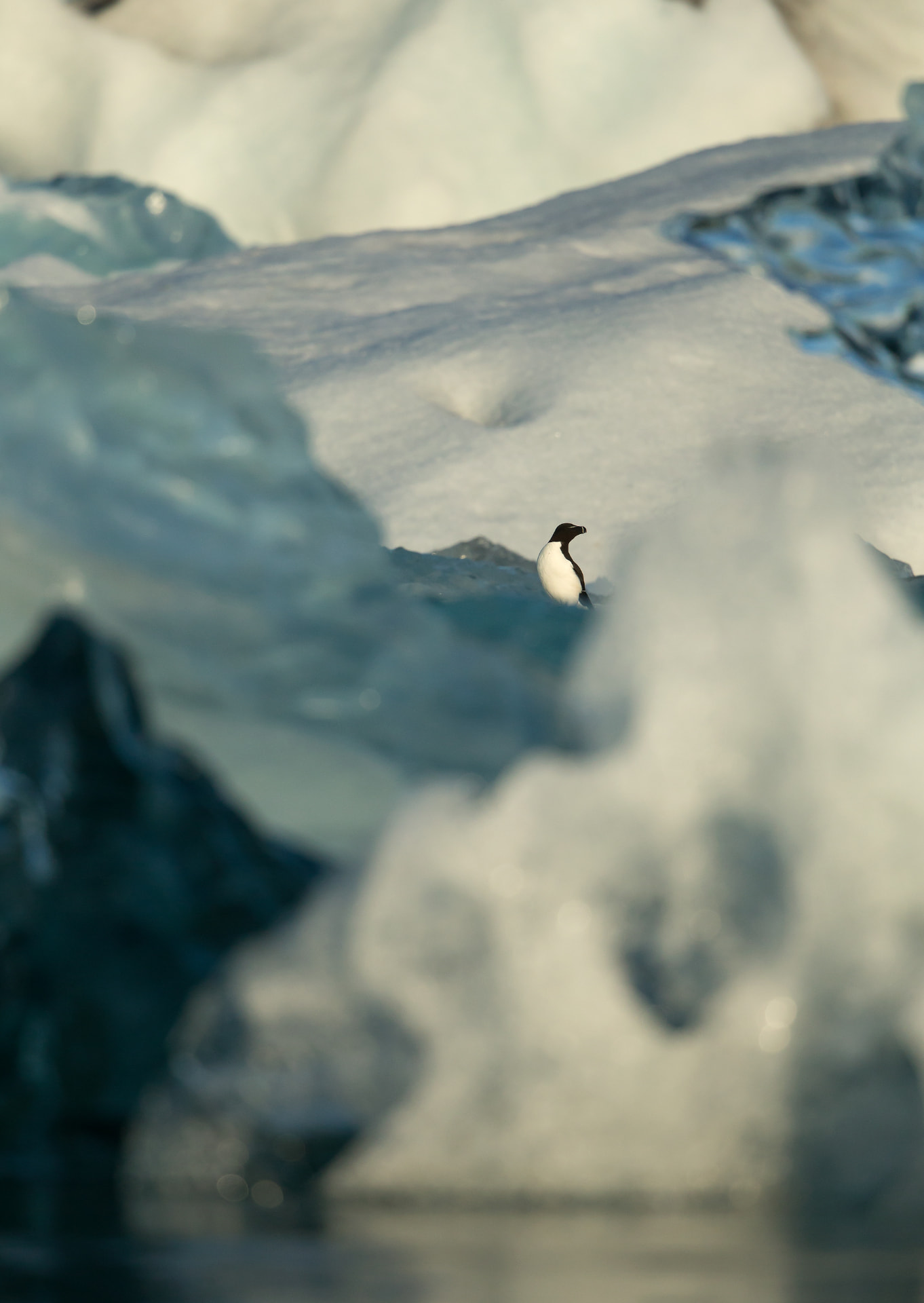
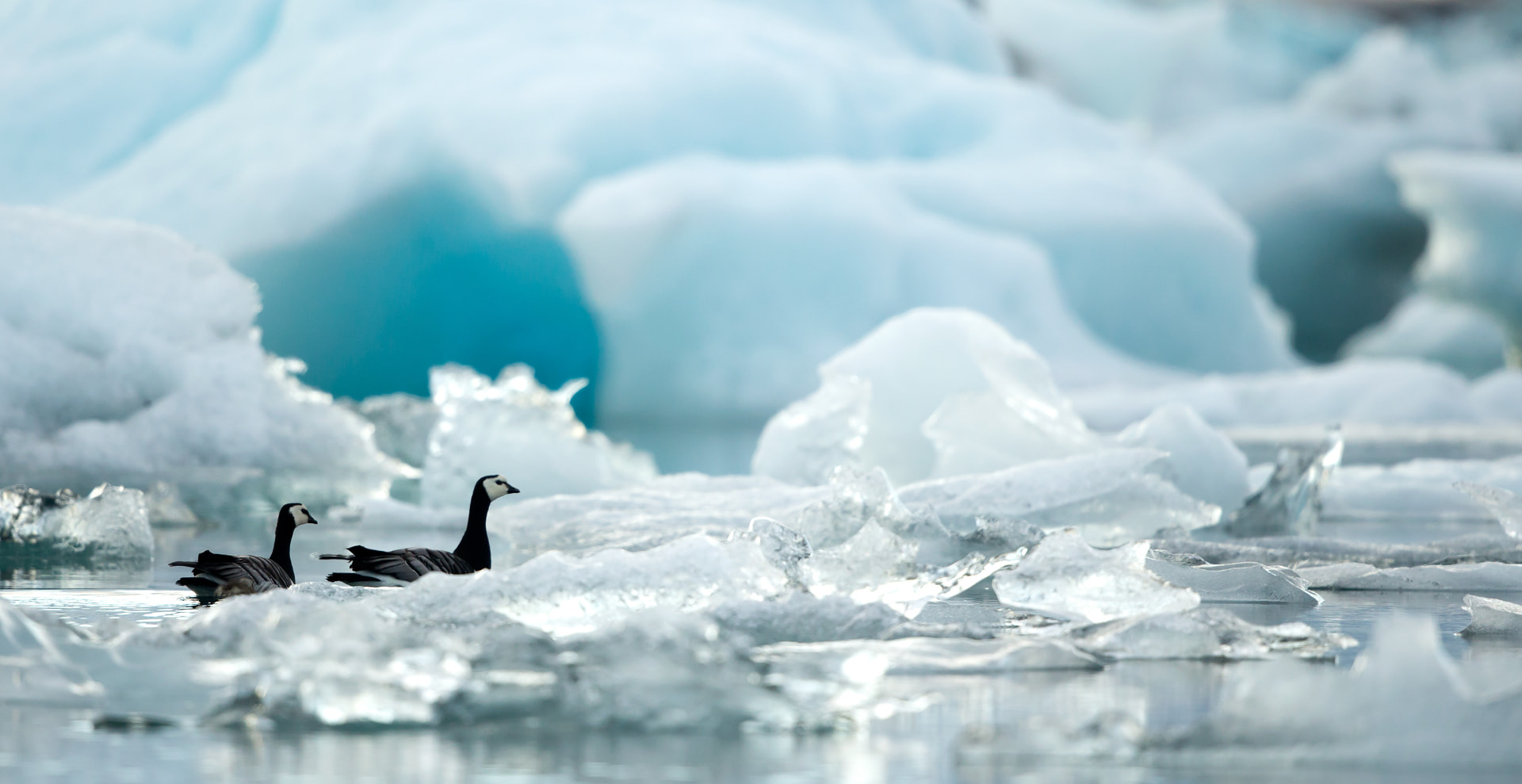
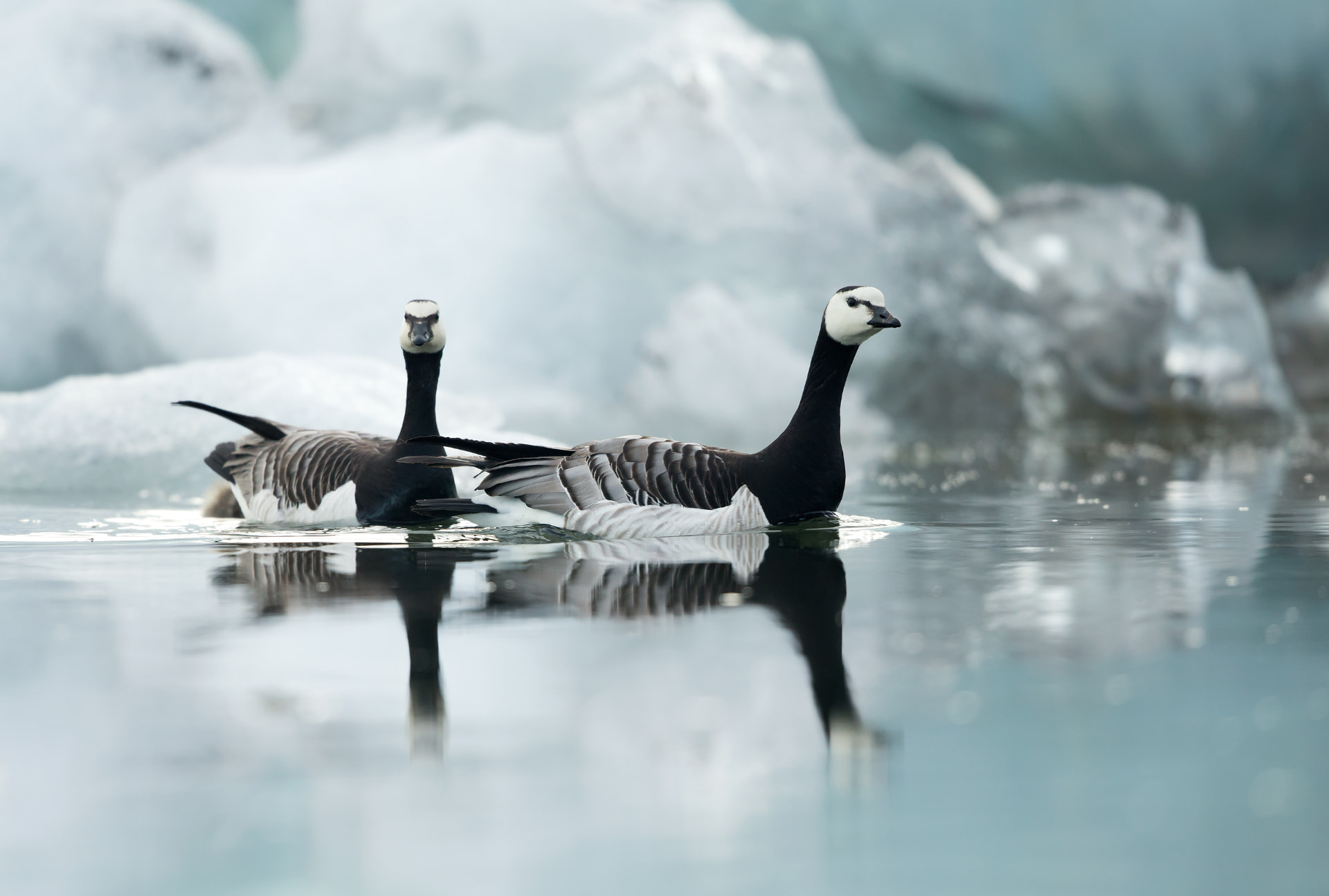
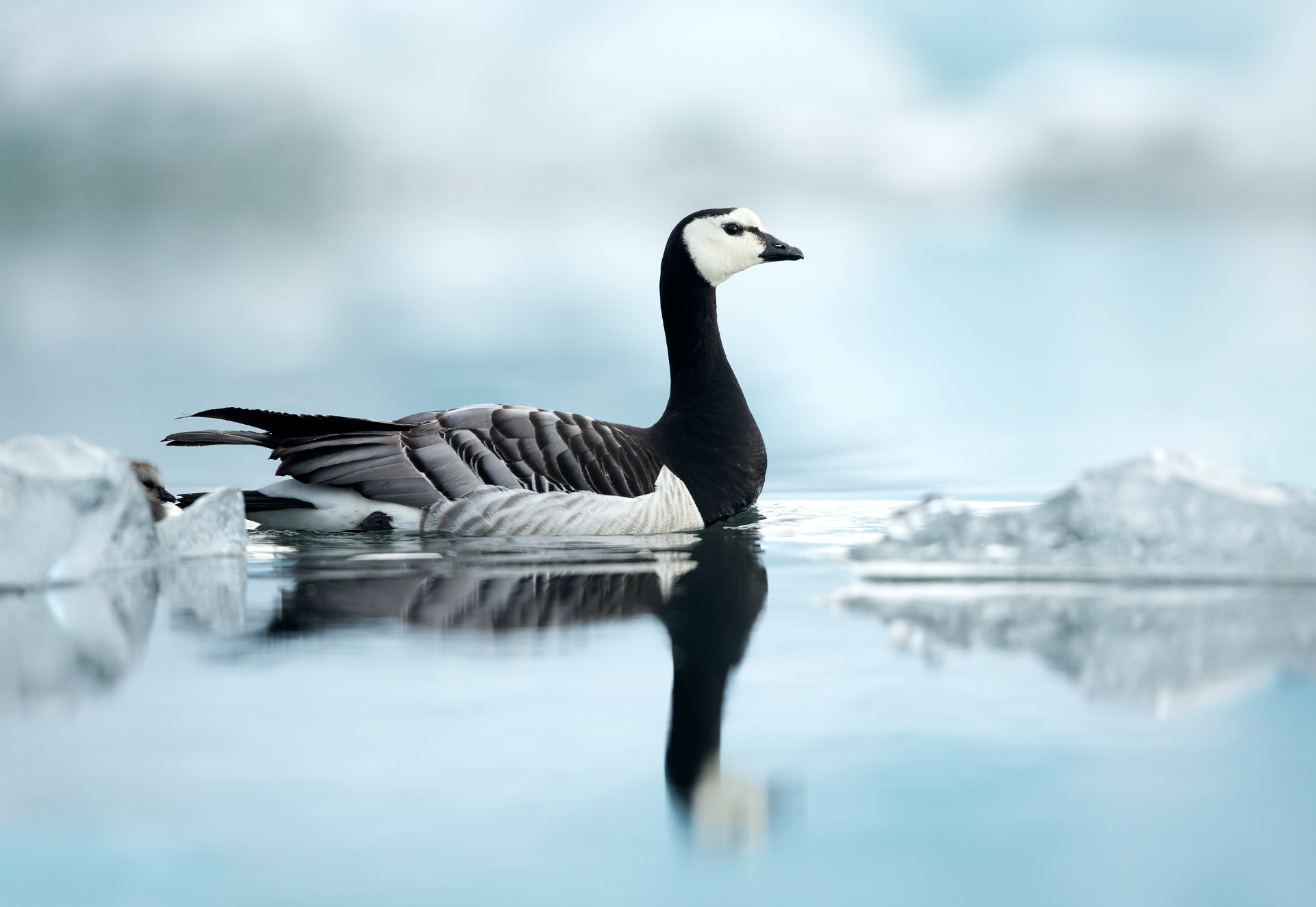
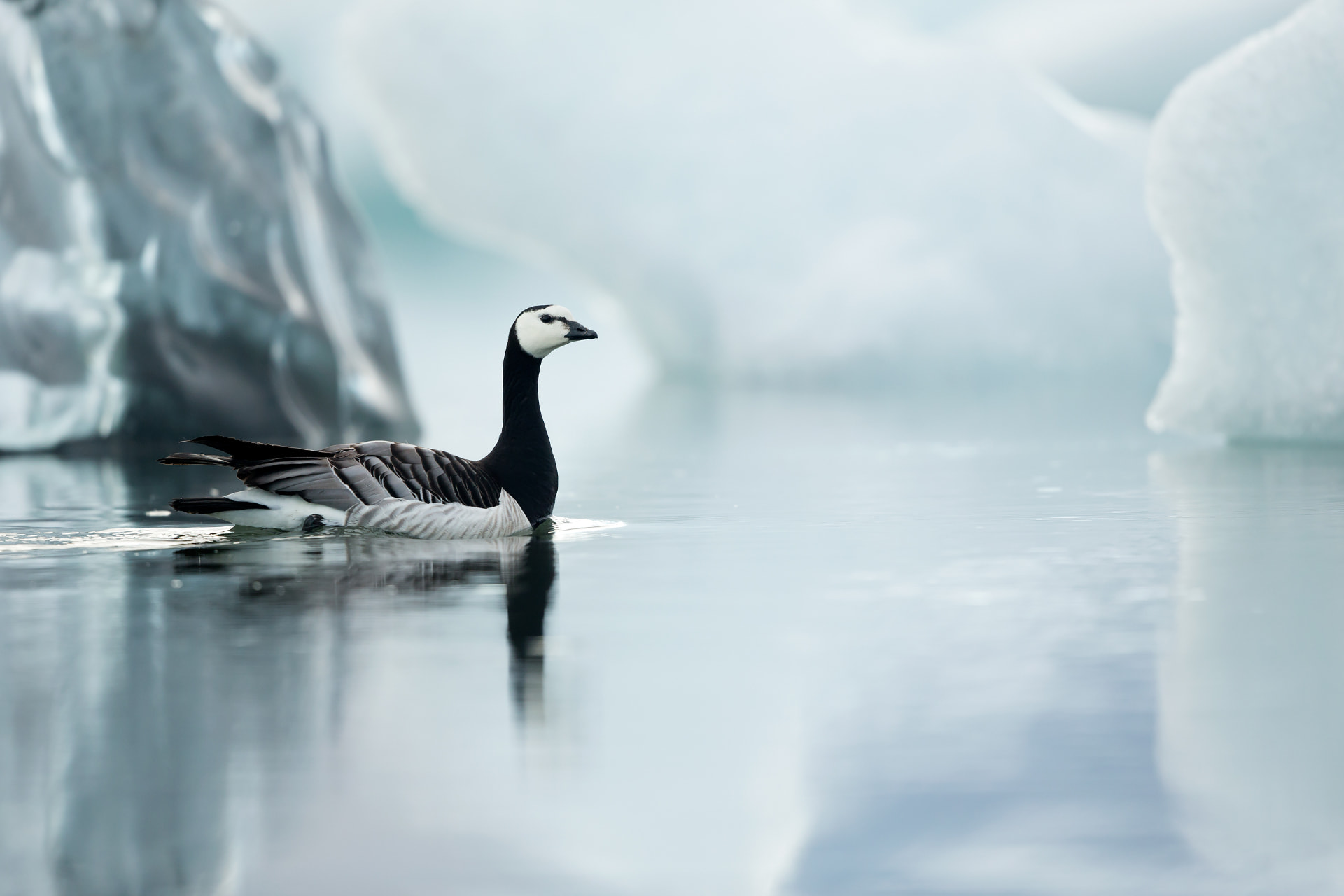
Another great species that we saw in the lagoon was barnacle geese. This species mainly breeds in Greenland and Svalbard but a small population has started to breed in Iceland. I first saw chicks on my first visit and was surprised to find them breeding here. It was only a short visit but enough to grab a few shots.


Iceland Gull was another new species for me in the lagoon and at first we were not what sure what we looking at. Although it is called Iceland Gull it doesn’t breed in Iceland and can only be found in the winter. It breeds in Canada and Greenland but there were quite a few birds hanging around the lagoon. Again they made great subjects especially against the deep blue ice of some of the icebergs.
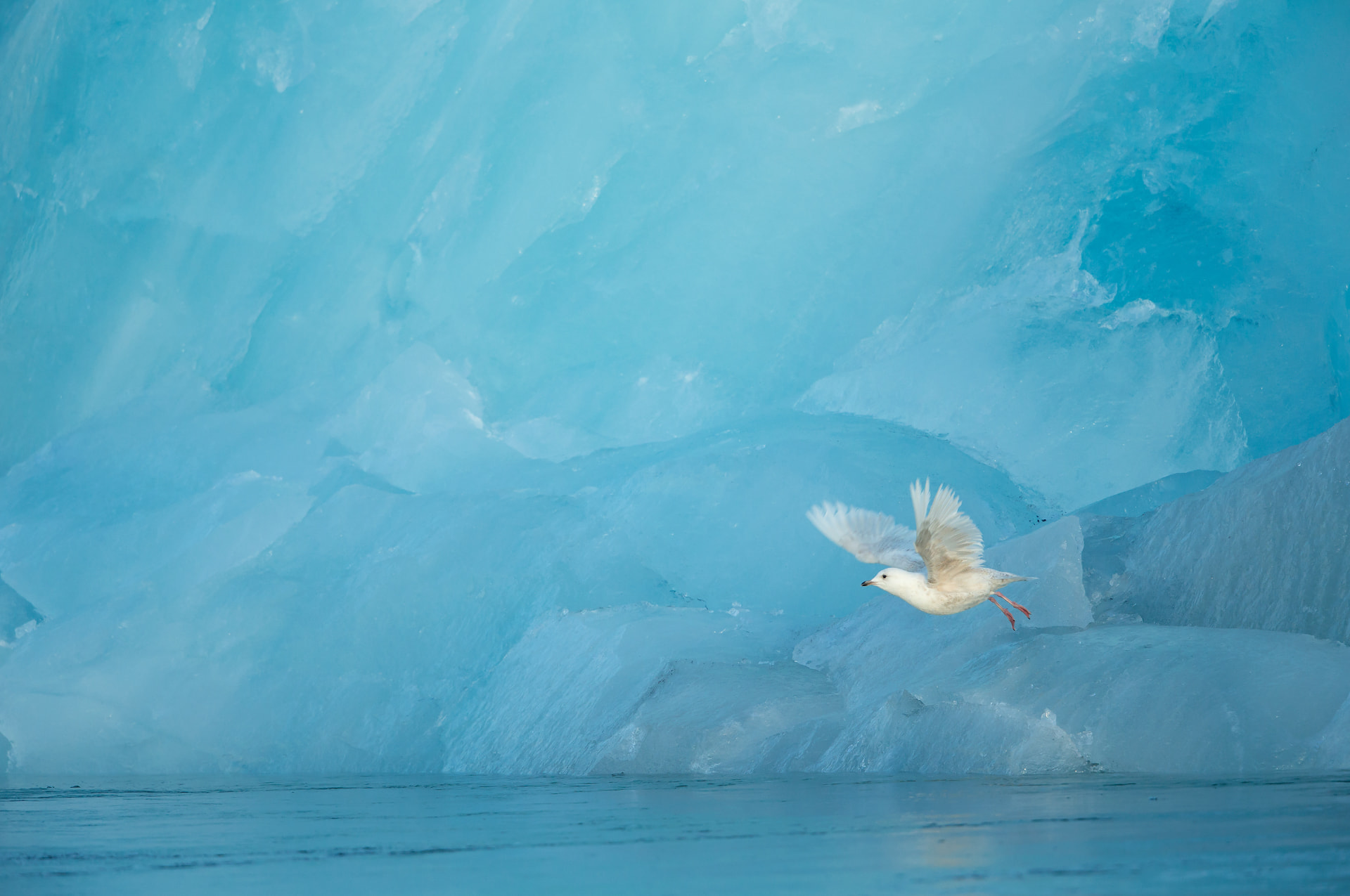
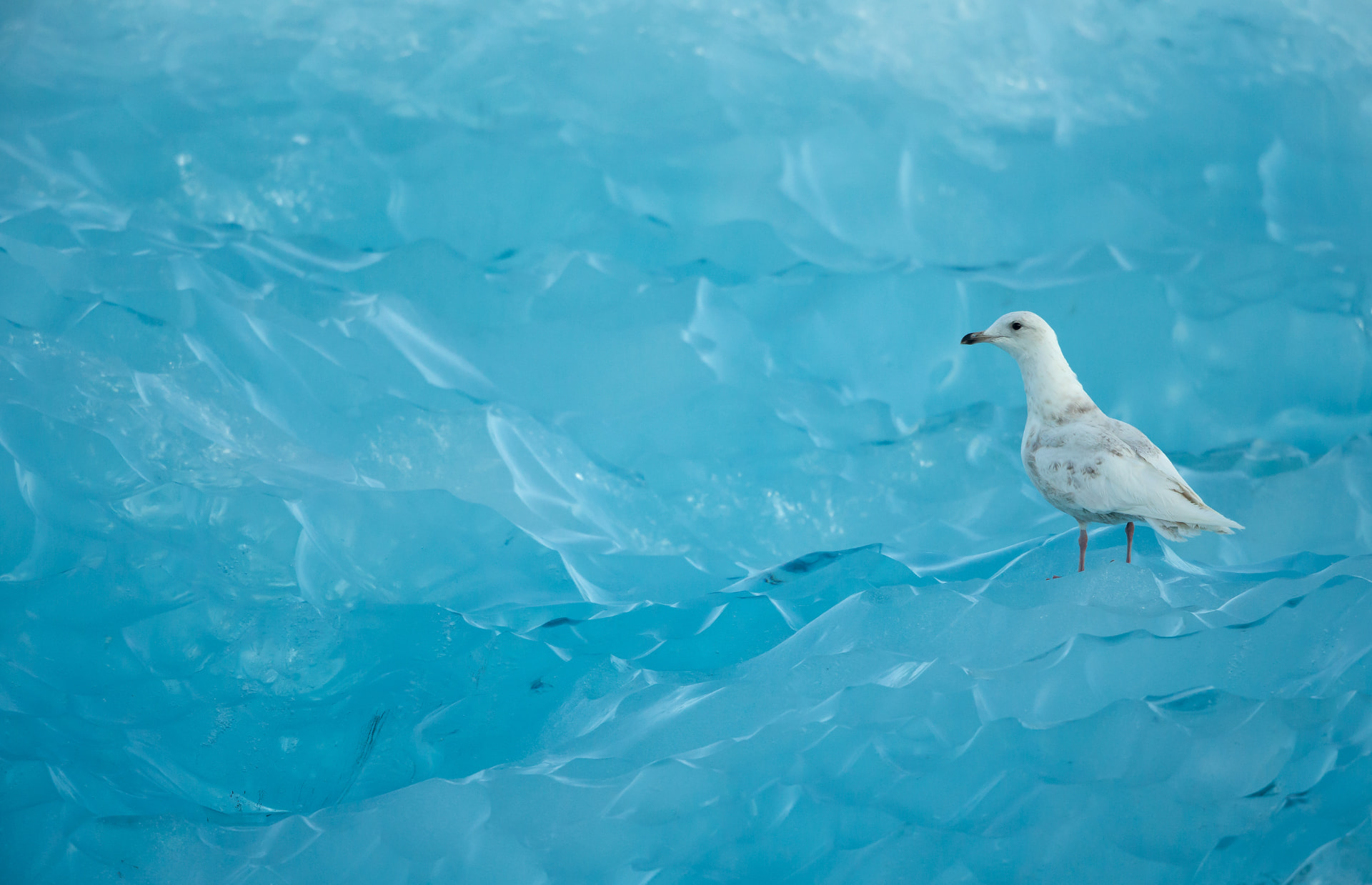
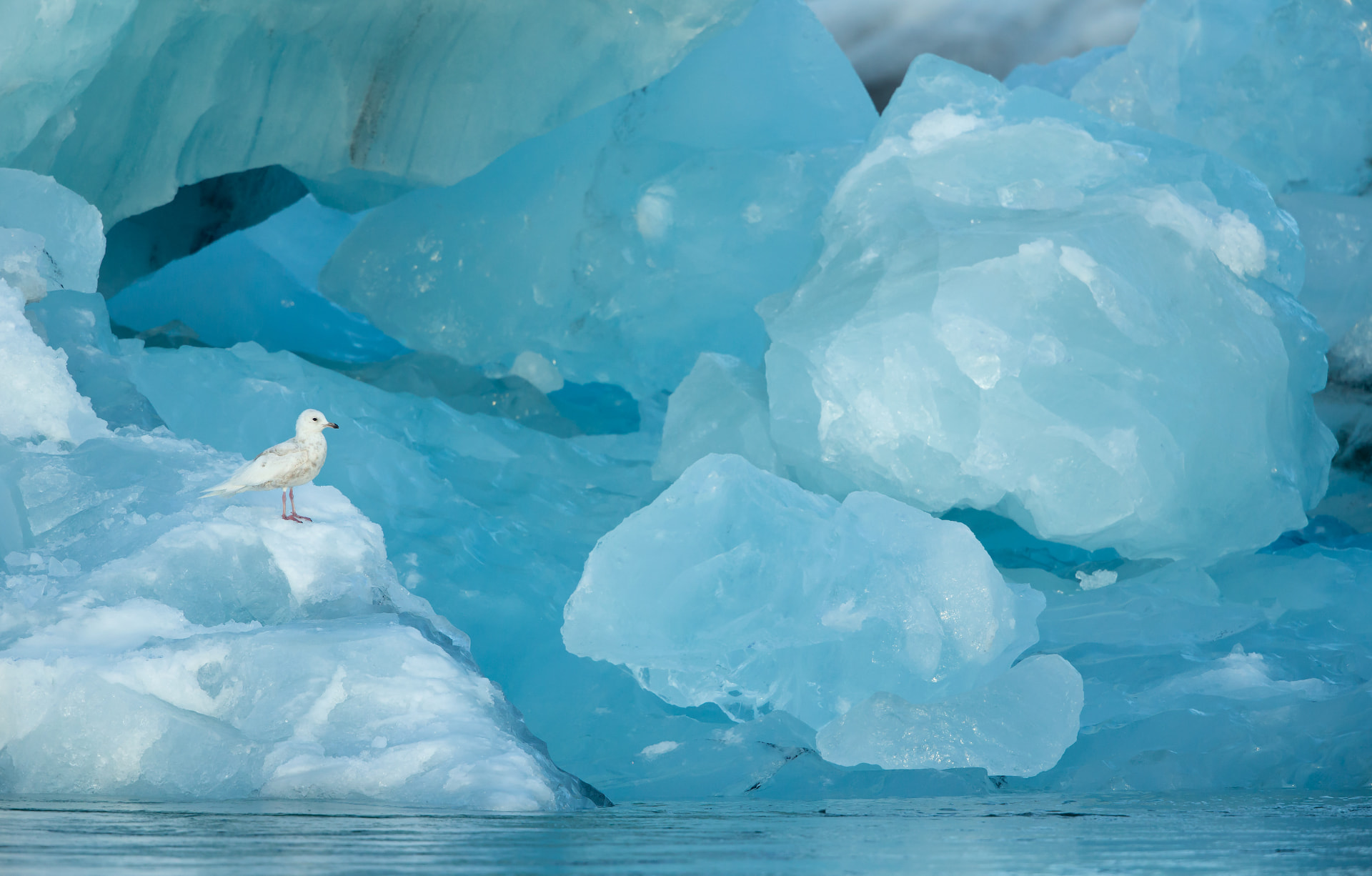
So there you go another trip to Iceland and a whole set of new images to add to the bag. Iceland really does through up some surprises and goes to show you never though what you can get from a location. That’s why I always like going back. We are not running a trip there next summer but we are planning on going back in 2017. If Iceland is on your agenda then please get in touch because we do know the place well now. I will finish off with one of my favourite shots from the trip, another Iceland Gull.